7 Best Wooden Tags For Personalized Gifts To Use
Elevate your presents with these 7 wooden tags. Discover durable, stylish, and customizable options perfect for adding a unique, rustic touch to any gift.
Adding a custom wooden tag to a hand-knitted garment is the final, professional flourish that transforms a simple project into a signature piece of art. Whether you are gifting a cozy wool sweater or selling your latest lace shawl, the right tag acts as a permanent maker’s mark. Choosing the wrong material, however, can lead to snagged fibers or unwanted weight that distorts your delicate stitches. This guide explores the best wooden options to ensure your hard work is presented with the care it deserves.
Laser-Engraved Birch Tags: Best Overall Choice


Birch is the workhorse of the wood tag world. It is lightweight, pale, and possesses a tight, uniform grain that takes laser engraving with incredible precision.
For a knitter, weight is everything. If you are attaching a tag to a lightweight fingering-weight shawl, you don’t want a heavy piece of hardware pulling at your stitches. Birch is so light that it won’t cause the "droop" that heavier woods might induce in delicate lace.
Because the surface is so smooth, it rarely snags on even the most fragile alpaca or mohair blends. It is my go-to recommendation for makers who want a clean, professional look without the risk of damaging their fiber.
Custom Walnut Wood Tags: Best for Luxury Gifts
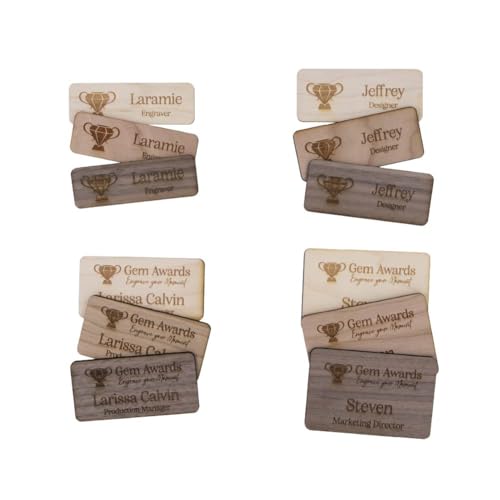
Walnut is undeniably sophisticated, offering a deep, rich color that screams high-end craftsmanship. When you have spent forty hours cabling a cabled wool sweater, a walnut tag provides the perfect aesthetic anchor.
The wood is slightly denser than birch, meaning it feels substantial in the hand. It works best on heavy-weight projects like worsted or bulky wool pullovers where the garment structure can easily support the tag’s presence.
Be aware that because walnut is darker, the laser engraving may be more subtle. You are paying for the elegance of the wood grain rather than the high-contrast visibility of the text.
Bamboo Heart-Shaped Tags: Best Eco-Friendly Pick

Bamboo is technically a grass, not a wood, but it behaves like a dream for fiber artists. It is exceptionally sustainable and offers a unique, fibrous texture that complements natural, plant-based yarns like cotton or linen.
The heart shape is a charming touch for baby gifts or charity knits. However, keep in mind that the irregular shape can sometimes catch on loose-ply yarns if the edges aren’t perfectly sanded.
Always run your fingernail along the edges of these tags before sewing them on. If you feel a catch, a quick pass with a very fine-grit sandpaper will save your precious stitches from future fraying.
Personalized Cherry Wood Tags: Best for Scarves
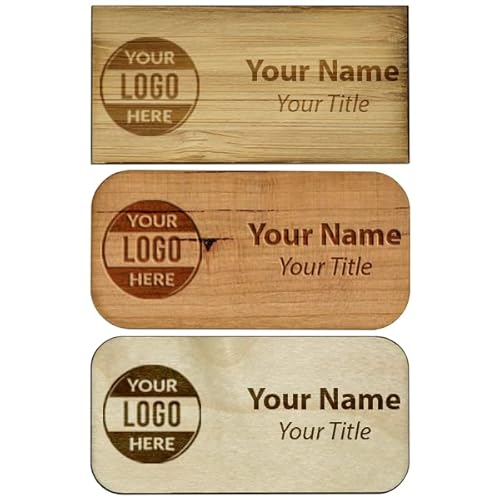
Cherry wood features a warm, reddish undertone that ages beautifully over time. It is a fantastic middle-ground option: it is more durable than birch but lighter than walnut, making it ideal for accessories.
I often use these on scarves because they are small and unobtrusive. A scarf is constantly being wrapped, folded, and handled, so you need a tag that won’t irritate the skin or snag the yarn during daily wear.
Cherry has a natural, subtle sheen that looks lovely against both solid-colored and variegated yarns. It is a versatile choice that rarely clashes with the color palette of your project.
Reusable Maple Wood Tags: Best for Market Stalls
If you are selling your knits at a craft fair, you need tags that are durable enough to survive the handling of dozens of potential customers. Maple is incredibly hard, resistant to dents, and holds up well to repeated touch.
These are excellent for items that might be tried on repeatedly. Unlike softer woods, maple won’t show wear and tear after a busy day at a market stall.
Because they are so sturdy, they can be made slightly larger for branding purposes. Just ensure you aren’t using a tag so large that it interferes with the drape of the garment when it is finally worn.
Hand-Stamped Oak Tags: Best Rustic Aesthetic

Oak is a sturdy, open-grained wood that brings a rugged, homespun feel to your projects. It is perfect for heavy, hand-spun wools or items with a rustic, farmhouse aesthetic.
Because oak has a more pronounced grain, hand-stamping often yields a slightly imperfect, authentic look. If you prefer a "perfectly manufactured" appearance, oak might be too textured for your taste.
However, for a chunky fisherman’s sweater or a heavy wool blanket, the raw character of oak is unbeatable. It feels like a natural extension of the sheep’s wool itself.
Custom Pine Wood Tags: Best Budget-Friendly Set

Pine is the most affordable option for those just starting to brand their work. It is soft, light, and easy to source in bulk, making it a smart choice for knitters who are still experimenting with their logo or brand name.
The trade-off is that pine is softer and more prone to splintering if the laser isn’t calibrated correctly. Always inspect the holes where you will be sewing; if they look rough, use a needle to clear out any stray wood fibers.
It is a great "entry-level" tag. Once you have settled on a design you love, you can always upgrade to a harder wood like birch or maple for your permanent collection.
How to Attach Wooden Tags Without Damaging Fiber
The secret to attaching a wooden tag is to use a thread that matches the weight of your yarn, not the tag. If you are working with a delicate lace-weight silk, use a fine silk sewing thread to anchor the tag.
Never pull the tag tight against the fabric. You want to leave a tiny amount of "wiggle room" so that when the garment stretches during wear, the tag moves with the fabric rather than acting as an anchor point that could cause a hole.
- Use a tapestry needle to sew through the corners of the tag.
- Avoid over-tightening your stitches, which can pucker the fabric.
- Consider a "hinge" stitch if you want the tag to flip up, which reduces tension on the surrounding stitches.
Choosing the Right Finish for Your Wooden Tags
Most wooden tags come either raw or with a light oil finish. For knitwear, I strongly prefer a natural oil finish or a light wax.
Raw wood can be thirsty; it may absorb oils from your skin or moisture from the air, which can cause the wood to warp or darken unevenly over time. A light, food-safe finish seals the wood and makes it much more resistant to the humidity changes common in wool garments.
If you are washing your knits by hand, a sealed tag will survive the process much better than an untreated one. Just ensure the finish is completely cured before you sew it onto your project.
Tips for Designing Your Custom Knitwear Branding
Keep your design simple. When your logo is shrunk down to a one-inch wooden tag, intricate details will disappear or, worse, create a "busy" look that detracts from your knitting.
Focus on high-contrast, bold lines. A simple font and a clean icon are far more effective than a complex illustration that becomes unreadable at small scales.
- Check the hole size: Ensure the holes are large enough for a standard tapestry needle to pass through comfortably.
- Prioritize readability: If someone sees your work on the street, they should be able to read your brand name from a few feet away.
- Test the scale: Print your logo on paper at the exact size of the tag to see how it looks before committing to a bulk order.
Selecting the perfect wooden tag is about balancing the personality of your brand with the structural needs of your knitwear. By considering the weight, texture, and finish of the wood, you ensure that your mark of quality enhances rather than compromises your creation. Take the time to match your tag to the specific weight and fiber content of your project for the best results. Ultimately, a well-chosen tag is a testament to the care you’ve put into every stitch.