
6 Best T-pins for lace projects for Precise Blocking
Achieve perfect lace symmetry with our top 6 T-pins. This guide reviews rust-resistant, durable options essential for achieving precise, professional blocking.
Blocking is the final, transformative step that turns a crumpled, tight piece of lace into a professional-grade heirloom. Choosing the right T-pin is the difference between a crisp, open stitch pattern and a frustrating, distorted mess. Over the last two decades, I’ve learned that not all pins are created equal when it comes to tension and delicate fibers. This guide breaks down the best tools to ensure your hard work gets the finish it deserves.
Clover T-Pins: The Gold Standard for Lace Blocking


Clover T-Pins are the industry benchmark for a reason, offering a level of consistency that is rare in mass-produced notions. Their T-shaped heads are perfectly balanced, making them incredibly easy to push into blocking mats without pinching your fingertips.
When you are working with a complex lace shawl, you need pins that don’t wiggle or slide once they are set. Clover pins provide a firm, secure anchor that holds even the most aggressive tension required for open-work patterns.
The finish on these pins is exceptionally smooth, which is vital when working with fragile fibers like silk or fine mohair. If you want a reliable, no-nonsense tool that will last through years of blocking, start here.
Knitter’s Pride Stainless Steel T-Pins Review

Knitter’s Pride has engineered these pins with a focus on structural integrity, ensuring they don’t bend even when under high tension. If you are blocking a heavy wool lace project that requires significant stretching, these are your best bet.
The stainless steel construction is non-reactive, meaning you won’t have to worry about chemical interactions with your soaking solution. They glide through blocked stitches like butter, minimizing the risk of snagging a delicate yarn ply.
While they are slightly more expensive than generic alternatives, the durability is unmatched. They don’t lose their shape after repeated use, making them a wise investment for the dedicated lace knitter.
Susan Bates T-Pins: Reliable and Rust-Resistant
Susan Bates has been a staple in knitting bags for generations, and their T-pins remain a solid, dependable choice. They are known for being exceptionally rust-resistant, which is a massive relief when blocking wet, heavy projects.
These pins have a slightly thicker gauge than some specialty precision pins, which can be a benefit when blocking larger lace motifs. They offer a sturdy hold that prevents the pin from popping out of the foam mat under the weight of wet yarn.
If you are just starting your lace journey, these are an excellent entry point. They provide professional results without the premium price tag of boutique tools.
Boye T-Pins: The Budget-Friendly Blocking Choice
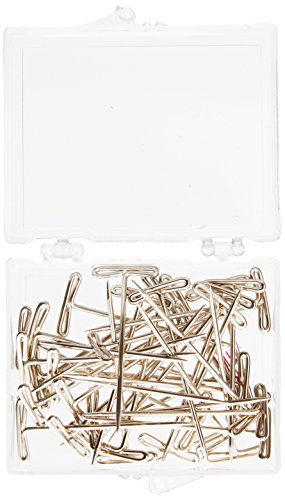
Boye T-pins are widely available and get the job done without any unnecessary frills. They are the perfect choice for knitters who need a large quantity of pins to block an entire circular tablecloth or a massive shawl.
Because they are affordable, you can stock up on several packs without breaking your budget. Having an abundance of pins is often more important than having a few "perfect" ones, especially for large-scale projects.
Keep in mind that these are standard steel and may require more careful drying after use. If you are on a budget, these will definitely help you achieve that beautiful, open lace structure.
Dritz Extra-Long T-Pins for Thick Lace Borders
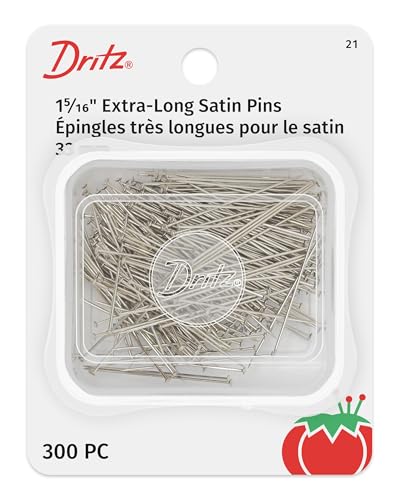
Sometimes, standard pins just aren’t long enough to secure a thick edge or a multi-layered border. Dritz Extra-Long T-Pins provide that extra reach, allowing you to anchor your lace through thicker sections of the fabric.
These are particularly useful if you use thick blocking mats or need to pin through multiple layers of folded lace. The extra length gives you more leverage, making it easier to adjust your tension without the pin sliding out.
They provide a secure grip that keeps even the most stubborn, springy fibers in place. If you find yourself struggling with standard pins popping out, switch to these for a more stable blocking experience.
Beadsmith T-Pins for Precision and Fine Detail

Beadsmith pins are often overlooked by knitters, but they are a secret weapon for fine, intricate lace. They are typically thinner than standard T-pins, allowing for surgical precision when pinning out tiny picots or delicate points.
When you are working with lace weight yarn on 2.0mm needles, standard pins can actually distort the stitch. These finer pins allow you to manipulate the lace without stretching the fabric out of proportion.

They are ideal for high-detail projects where every single stitch needs to be perfectly placed. If you are entering your lace into a competition or gifting a heirloom piece, reach for these.
Why Stainless Steel Matters for Lace Projects
Stainless steel is non-negotiable when it comes to blocking wet lace. Cheap, plated pins can oxidize when exposed to water, leaving permanent, rust-colored stains on your beautiful handiwork.
Lace is often blocked while soaking wet, which creates the perfect environment for corrosion. Stainless steel pins remain inert, ensuring that your yarn stays pristine from the moment it leaves the bath to the moment it dries.
Don’t gamble with your project by using mystery-metal pins. Always check the packaging for "stainless" or "rust-resistant" to protect your hours of labor.
Essential Features to Look for in Blocking Pins
When shopping for pins, prioritize the quality of the tip and the integrity of the head. A sharp, tapered tip is essential for slipping between yarn plies without splitting the fiber.
- Rust Resistance: Ensure they are stainless steel.
- Head Design: The T-bar should be smooth and easy to grasp.
- Gauge: Choose thinner pins for fine lace and thicker pins for heavy wool.
- Length: Longer pins offer more stability for large, heavy projects.
Avoid pins with rough edges or burrs near the head, as these can snag your yarn. A smooth, seamless construction is the hallmark of a high-quality blocking tool.
Proper Blocking Techniques for Delicate Fibers
Blocking is not about stretching your lace to the point of breaking; it is about gently coaxing the fabric into its intended shape. Start by soaking your lace in lukewarm water with a gentle wool wash.
Gently squeeze out the excess moisture in a towel—never wring or twist the fabric. Lay your piece flat on your blocking mats, pinning from the center outward to ensure even tension across the entire project.
Be mindful of the fiber content. Superwash wool will grow significantly when wet, so handle it with extra care to avoid over-stretching the stitches beyond their natural gauge.
How to Prevent Rust Marks on Your Finished Lace
Even with the best tools, it is best practice to remove pins as soon as the project is completely dry. Leaving pins in for weeks at a time increases the risk of moisture retention and potential marking.
If you are worried about a specific set of pins, perform a test by pinning a small scrap of white yarn and soaking it. If there is any discoloration, discard those pins immediately and invest in high-quality stainless steel.
Always store your pins in a dry, airtight container when not in use. A little bit of maintenance goes a long way in ensuring your blocking tools remain a reliable part of your kit for years to come.
Mastering the art of blocking is a journey that rewards patience and the right equipment. By choosing high-quality stainless steel pins and using thoughtful technique, you ensure your lace projects look as stunning as the patterns intended. Remember that your tools are an extension of your craft, so choose the ones that offer the most peace of mind. Happy blocking, and may every stitch you pin be perfectly placed.