7 Best Carriage Brushes For Dust Removal To Use
Keep your carriage pristine with our top 7 brush picks. Learn how to select the right bristles for effective, scratch-free dust removal and surface care.
Keeping your knitting machine’s carriage free of lint and stray fiber is the single most important habit for ensuring smooth, consistent stitch formation. Over two decades at the machine, I have learned that even the smallest accumulation of debris can cause skipped stitches or uneven tension. Investing in the right brushes is not just about cleanliness; it is about protecting the delicate mechanics of your needle bed. These seven tools represent the gold standard for maintaining a machine that runs as quietly as the day it left the factory.
Brother Knitting Machine Original Brush: Best Overall
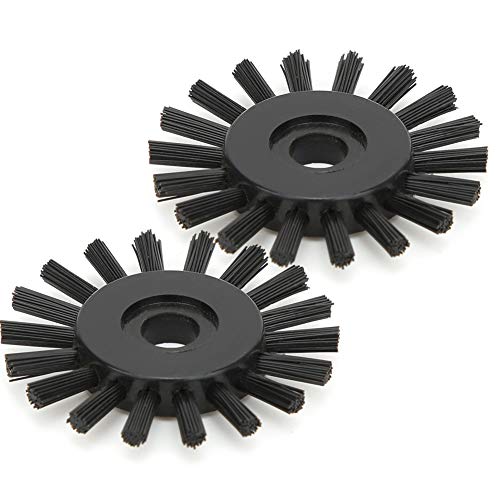

When you own a Brother machine, you quickly learn that the tolerances are incredibly precise. These original brushes are engineered with the exact bristle density required to sweep away fiber dust without pushing it deeper into the carriage’s internal cams.
I find that the ergonomics of this brush are superior for long sessions of knitting heavy wool or mohair. Because these fibers shed significantly, you need a brush that can reach into the tight crevices of the sinker plate.
The bottom line is that while aftermarket alternatives exist, the original Brother design offers the best balance of stiffness and flexibility. It won’t scratch your metal surfaces, yet it is firm enough to dislodge stubborn, compressed lint.
Silver Reed Standard Carriage Cleaning Brush Set
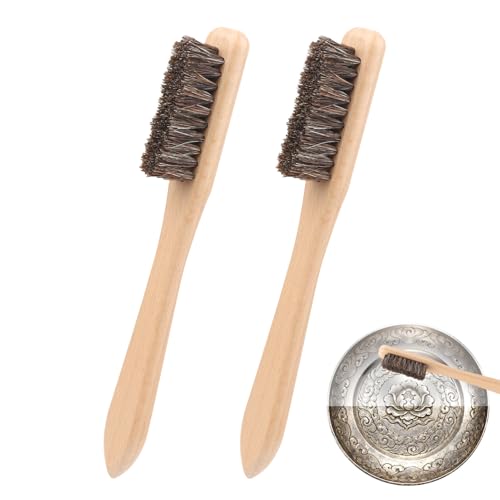
Silver Reed machines operate with a slightly different carriage geometry than their Brother counterparts. This dedicated brush set is designed to navigate the specific pathways of the Silver Reed sinker and cam systems.
If you are a fan of using textured novelty yarns, you know how quickly they leave behind a trail of "fuzz" inside your carriage. This set includes angled brushes that allow you to reach under the carriage housing without having to disassemble the entire unit.
The trade-off here is that the bristles are slightly softer than those on older, vintage tools. While this is safer for your machine’s finish, it means you may need to spend an extra minute or two ensuring every corner is cleared.
Passap Duomatic Replacement Nylon Bristle Brush
Passap machines are legendary for their complexity and their "no-nonsense" approach to knitting. Because these machines rely on a dual-bed system, the carriage is notoriously difficult to keep clean.
This nylon brush is the industry standard for a reason: it is incredibly durable and resistant to the oils often found on Passap carriages. It doesn’t fray or lose its shape, even after years of heavy use.
The stiff bristles are perfect for clearing out the dense, compacted dust that forms during long runs of cotton or linen. Just be mindful not to scrub too aggressively, as the nylon can be quite abrasive if you apply too much pressure.
Knittax Professional Dust Removal Cleaning Tool

Knittax machines are prized for their heavy-duty performance, and this tool is built to match that industrial spirit. It is less of a "brush" and more of a precision maintenance implement for the serious machine knitter.
I recommend this for those who frequently work with high-shed fibers like angora or raw, unwashed wool. The tool is designed to reach deep into the needle channels, where dust often hides and eventually causes the needles to stick.
It is a more specialized tool than a standard brush, so it requires a bit of patience to master. However, the level of deep cleaning it provides is unmatched for long-term machine health.
Singer Knitting Machine Carriage Dusting Brush
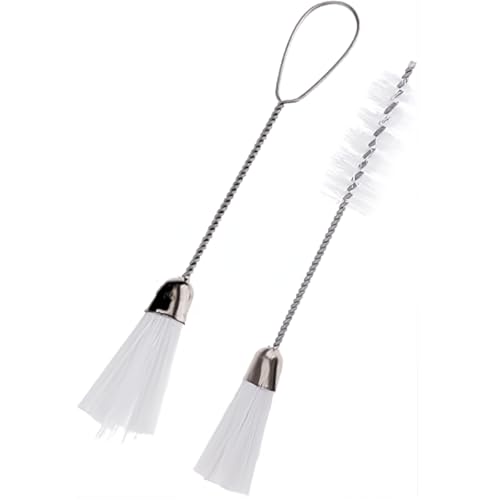
Singer machines often have unique carriage designs that require a specific reach. This dusting brush features a long, slender handle that is perfect for clearing debris from the underside of the carriage without needing to lift it off the rail.
If you are working on a project with a high stitch count, you will appreciate how quickly this covers surface area. It is excellent for a "quick sweep" between rows when you notice a bit of fiber buildup.
While it is excellent for surface maintenance, it isn’t a replacement for a deep, periodic cleaning. Use this for your daily routine, but keep a stiffer brush on hand for monthly maintenance.
Studio Knitting Machine Replacement Brush Kit

Studio machines are highly versatile, and this brush kit is designed to handle that variety. It includes a range of bristle stiffnesses, which is vital if you switch frequently between slippery synthetics and grippy natural fibers.
I find the smaller, pointed brushes in this kit are the best for cleaning the needle butt channels. If your needles are feeling "sticky" or sluggish, it is almost always because dust has collected in these narrow tracks.
This kit is a fantastic value for the price. It provides everything you need to maintain a clean machine, regardless of the yarn weight or fiber content you choose for your next project.
Artisan Multi-Purpose Carriage Maintenance Brush
Sometimes you need a tool that isn’t tied to a specific brand. This multi-purpose brush is a staple in my studio because of its versatile head shape and comfortable grip.
It is my go-to brush when I am working on custom modifications or cleaning vintage machines where the original parts are no longer available. The bristles are synthetic and hold up well to the cleaning solvents often used on older metal parts.
While it lacks the brand-specific fit of the others, its utility is undeniable. It is a workhorse tool that belongs in every machine knitter’s kit, especially if you have a collection of different machines.
Why Regular Carriage Cleaning Prevents Jamming
Dust and lint are the silent enemies of your knitting machine. When fiber dust mixes with the small amount of oil required to lubricate your carriage, it turns into a thick, sticky paste that acts like a brake on your machine’s movement.
This friction leads to uneven tension, which is immediately visible in your fabric as "wavy" or inconsistent stitches. In severe cases, the carriage will physically jam, which can bend your needles or damage the carriage cams.
By spending just two minutes cleaning your carriage after every project, you avoid these mechanical failures. It is a small investment of time that pays off in years of smooth, reliable knitting.
Essential Tools for Machine Knitting Maintenance
Beyond brushes, a well-stocked maintenance kit is essential for any serious knitter. You should always have the following items on hand:
- Lint-free microfiber cloths: For wiping down the needle bed and carriage exterior.
- Precision oiler: To apply the exact amount of lubricant needed after a deep clean.
- Can of compressed air: For blowing out the hard-to-reach areas inside the carriage housing.
- Tweezers: Essential for removing stray yarn scraps that get caught in the sinker pins.
These tools work in tandem with your brushes to ensure your machine stays in peak condition. Never use household cleaning sprays, as they can leave residues that attract even more dust.
How to Properly Clean Your Knitting Machine Rails
The rails are the foundation of your knitting; if they aren’t clean, your carriage will never move smoothly. Start by wiping them down with a dry cloth to remove loose dust, then follow up with a light application of machine oil.
When cleaning the rails, always move in one direction to avoid pushing dust into the joints. If you feel any "grittiness" while moving the carriage, stop immediately and re-clean the rail surface.
Never skip the rail cleaning process, as it is the most common cause of carriage "drag." A clean rail ensures that your carriage glides effortlessly, leading to consistent stitch formation and much less fatigue during long knitting sessions.
Maintaining your knitting machine is a labor of love that directly translates into the quality of your finished garments. By choosing the right brushes and adhering to a consistent cleaning schedule, you are protecting your investment and ensuring years of creative output. Remember, a clean machine is a happy machine, and your needles will thank you with every smooth, perfect row. Happy knitting, and may your carriage always glide with ease.