6 Best Silicone Grip Handles For Metal Needles
Enhance your knitting comfort with our top 6 silicone grip handles for metal needles. Discover ergonomic designs that reduce hand fatigue and improve control.
Knitting for hours on thin metal needles can eventually turn a relaxing hobby into a source of finger strain and cramping. Silicone grips act as a vital buffer, transforming slick, unyielding metal into a comfortable, ergonomic tool that sits softly in your hand. Whether you are working on a pair of fine-gauge socks or a complex lace shawl, the right grip can significantly extend your stamina. This guide explores the best options available to help you find the perfect balance between control and comfort.
Addi Comfort Grip Needle Handles: Best Overall
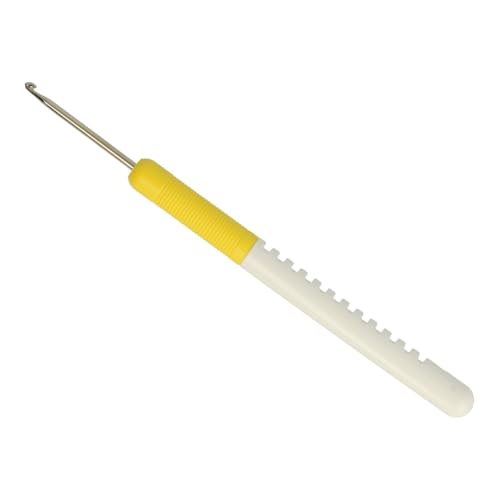

Addi has long been the gold standard for precision, and their Comfort Grip handles are no exception. These grips feature a contoured design that naturally encourages a relaxed hold, which is essential when you are working with slippery metal needles.
The material is firm yet forgiving, providing enough friction to keep your stitches from sliding off unexpectedly. It is particularly effective for knitters who suffer from arthritis or general hand fatigue during long sessions.
Because these are engineered for the Addi brand, they fit their signature needle tips with remarkable stability. If you are already a fan of their high-quality metal finishes, these grips are a seamless addition to your toolkit.
Clover Soft Touch Ergonomic Needle Grips

Clover is famous for its thoughtful approach to ergonomics, and their Soft Touch line is a staple in many knitting bags. These grips are designed with a slightly wider profile that fills the palm, reducing the need to "choke up" on the needle.
The silicone used here is exceptionally smooth, which feels pleasant against the skin even after hours of repetitive motion. It is an excellent choice for knitters who find that traditional metal needles feel too cold or too hard during winter knitting.
One thing to note is that the smooth surface can occasionally become slippery if your hands tend to sweat. If you are a "tight" knitter who exerts a lot of pressure, you might find you need to wipe them down occasionally to maintain your grip.
Boye Ergonomic Aluminum Crochet and Knit Grips

Boye provides a straightforward, no-nonsense solution for those who want to add bulk to thin needles. Their ergonomic grips are designed to be universal, making them a versatile choice if you have a collection of various metal needle brands.
The structure is slightly more rigid than other brands, providing a solid anchor for your fingers. This is particularly helpful when working with heavy yarn weights or dense stitch patterns that require a bit more force to maneuver.
While they may not offer the plush, squishy feel of softer silicone, they excel at durability. You can expect these to withstand years of heavy use without losing their shape or structural integrity.
Susan Bates Soft-Touch Needle Cushions

Susan Bates is a legendary name in the industry, and their needle cushions are designed for those who prefer a minimalist approach. These are less about changing the entire shape of the needle and more about providing a targeted spot for your fingertips to rest.
They are incredibly lightweight and do not add significant bulk to your project bag. If you prefer the feel of your metal needles but just need a little extra cushion for your index finger, these are an ideal solution.
Because they are smaller, they are also very easy to swap between different needle sizes. They offer a subtle yet effective way to prevent the formation of callouses during marathon knitting sessions.
Pony Ergonomic Needle Grips for Metal Needles

Pony grips offer a unique texture that sets them apart from the standard smooth silicone options. The surface is slightly matte, which provides a bit of "tack" that helps keep your fingers securely in place without requiring extra pressure.
This added friction is a game-changer when you are working with slippery superwash wools or silk blends. You will find that you can maintain a lighter, more relaxed tension because you aren’t fighting the needle’s natural tendency to slide out of your grip.
They are also quite flexible, allowing them to stretch to accommodate a range of needle diameters. If you have a diverse set of metal needles, a few packs of these will likely cover your entire collection.
KnitPro Ergonomic Needle Grips: Best Value
KnitPro focuses on delivering professional-grade tools at an accessible price point, and their ergonomic grips are a testament to that philosophy. They provide excellent cushioning and a comfortable, ergonomic shape that rivals more expensive competitors.
The material is soft, durable, and easy to slide onto most standard metal needles. They provide a noticeable improvement in comfort, especially for knitters who are just starting to experience the early signs of hand fatigue.
For the price, you get a reliable tool that performs exactly as promised. It is the perfect entry point for any knitter looking to test the benefits of silicone grips without making a significant financial investment.
Why Use Silicone Grips for Metal Knitting Needles
Metal needles are favored for their speed and smooth finish, but they are unforgiving on the hands. Because they are slick and thin, we often compensate by gripping them too tightly, which leads to muscle tension.
Silicone grips solve this by increasing the diameter of the needle shaft, which allows your hand to stay in a more open, natural position. This simple change reduces the strain on your tendons and ligaments.
Furthermore, the silicone provides a tactile contrast to the metal. This sensory feedback can help you maintain consistent tension, which is crucial for achieving an even gauge across your entire project.
How to Properly Fit Grips to Your Needle Size
Fitting a grip to a needle is a balance between a snug fit and potential damage to the silicone. If the grip is too tight, it may split; if it is too loose, it will slide around while you are working.
- Check the diameter: Always match the inner diameter of the grip to the millimeter size of your needle.
- Use a lubricant: A tiny drop of water or a light dusting of cornstarch can help a tight grip slide onto a metal needle.
- Test for stability: Give the grip a firm tug before you start; it should not rotate or shift during normal knitting motions.
If you find that a grip is consistently sliding, it is a sign that it is either the wrong size or the material has stretched out over time. It is better to replace it than to fight with a moving grip mid-row.
Preventing Hand Fatigue During Long Knitting Sessions
Ergonomic grips are only one piece of the puzzle when it comes to hand health. Even with the best silicone, you must remember to take regular breaks to stretch your fingers, wrists, and shoulders.
Try to consciously monitor your "death grip" on the needles; if your knuckles are white, you are holding on too hard. A relaxed hand not only prevents pain but also results in more consistent, beautiful stitches.
If you are working on a large project, try to vary your needle types or switch between different projects periodically. This prevents repetitive stress by engaging your hand muscles in slightly different ways.
Maintaining and Cleaning Your Silicone Needle Grips
Over time, silicone grips can accumulate skin oils, dust, and fiber lint, which can make them feel sticky or grimy. A simple wash with mild dish soap and warm water is usually enough to restore their original texture.
Avoid using harsh chemicals or abrasive scrubbers, as these can degrade the silicone and lead to cracking. After washing, ensure they are completely dry before sliding them back onto your needles to prevent any moisture buildup.
If the grips become permanently tacky or lose their shape, it is time for a replacement. Think of them as a wearable tool—just like your needles themselves, they have a lifespan and should be swapped out when they no longer provide the support you need.
Investing in silicone grips is one of the most cost-effective ways to improve your knitting longevity and overall comfort. By choosing the right fit and material for your specific needs, you can turn even the slickest metal needles into an ergonomic dream. Remember that the best tool is the one that allows you to knit pain-free for as long as you desire. Happy knitting, and may your hands stay comfortable through every row of your next project.