7 Best Wool Yarn Hanks For Winter Sweaters Reviewed
Stay warm this season with our review of 7 top wool hanks. We analyze texture, warmth, and durability to help you choose the perfect yarn for your sweaters.
Selecting the perfect wool for a winter sweater is the most critical decision you will make before casting on your first stitch. A high-quality yarn can transform a simple pattern into a cherished heirloom that lasts for decades. The right fiber choice dictates not only the final drape and warmth of your garment but also the physical experience of knitting it. This guide explores seven exceptional wool hanks that offer distinct advantages for your next cold-weather project.
Brooklyn Tweed Shelter: Best For Texture Lovers
If your pattern features intricate cables or complex twisted stitches, Brooklyn Tweed Shelter is the gold standard. This woolen-spun yarn is airy and lightweight, which allows it to bloom beautifully after blocking. Because it is lofty, it fills in the gaps of a cable pattern, making your stitches look crisp and deliberate.
The trade-off for this beautiful texture is that the yarn is somewhat fragile during the knitting process. It has a tendency to break if you pull too hard, so it is best suited for knitters with a consistent, relaxed tension. If you are a "tight" knitter, you might find this yarn frustrating until you adjust your grip.
Ultimately, Shelter is about character rather than durability. It isn’t the yarn you choose for a garment meant to withstand heavy daily abuse, but for a stunning, lightweight cabled sweater, it is unmatched.
Malabrigo Rios: Best For Vibrant Color Depth
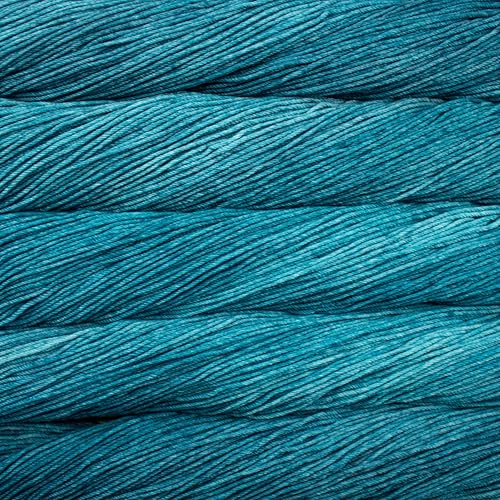

Malabrigo Rios is the go-to choice when you want your sweater to be the focal point of your outfit. It is a plied, superwash merino wool that offers a soft hand and incredible, kettle-dyed color saturation. The way the dye takes to the fiber creates subtle variations that prevent a sweater from looking flat or industrial.
Because it is a superwash wool, it will grow slightly when washed. You must perform a thorough gauge swatch and wash it exactly as you intend to wash the finished sweater. If you skip this step, you risk ending up with a garment that is two sizes too big after the first soak.
This yarn is incredibly soft, making it a favorite for those with sensitive skin. If you are knitting a sweater that will be worn directly against the neck, Rios provides the comfort of merino without the itch factor of traditional rustic wools.
Quince & Co. Owl: Best For Soft Winter Layers
Quince & Co. Owl is a sophisticated blend of American wool and alpaca. The addition of alpaca provides a subtle halo—a soft, fuzzy texture—that adds warmth without the heavy weight of pure wool. It is a fantastic choice for garments that need to be cozy but not bulky.
The blend is structured enough to hold cables but soft enough to drape well in a stockinette sweater. It is a "worsted-spun" yarn, meaning the fibers are combed to lie parallel, resulting in a smooth, durable finish. This makes it an excellent choice for a daily-wear sweater that won’t pill excessively.
Keep in mind that the alpaca content means the yarn has a bit more "drape" than pure wool. If you are knitting a structured, boxy sweater, be sure to check your gauge after blocking to ensure the weight of the garment doesn’t pull the fabric longer than intended.
Hudson + West Co. Forge: Best For Structure
When you need a sweater that keeps its shape for years, Hudson + West Co. Forge is the answer. This is a blend of Corriedale and Merino, offering the perfect balance of bounce and softness. It is a round, well-plied yarn that creates incredibly clear stitch definition.
This yarn is particularly forgiving for beginners because the plied construction resists splitting. If you are working on a garment with a lot of ribbing or a fitted silhouette, the inherent elasticity of the Corriedale fiber will ensure that your cuffs and hems don’t lose their snap over time.
It is a sturdy, reliable workhorse yarn. You won’t get the extreme softness of a fine Merino, but you will get a garment that stands up to the rigors of winter wear without losing its structural integrity.
Jamieson’s Shetland Spindrift: Best For Fair Isle

For traditional stranded colorwork, there is no substitute for Jamieson’s Shetland Spindrift. This yarn is sticky, meaning the fibers cling to each other, which is essential for locking your colorwork floats in place. It is the classic choice for authentic, lightweight, and exceptionally warm Fair Isle sweaters.
Because it is a "fingering weight" yarn, it is often held double or worked in intricate patterns that require many color changes. The palette is extensive, allowing for the subtle color gradations that define traditional Shetland knitting. It is not a "soft" yarn by modern commercial standards, but it softens significantly with wear and washing.
If you are new to colorwork, this is the yarn to learn with. Its "stickiness" makes it much easier to manage your tension, as the stitches won’t slide around on the needle as much as they would with a slicker superwash wool.
Rowan Felted Tweed: Best For Lightweight Warmth
Rowan Felted Tweed is a unique blend of wool, alpaca, and viscose that creates a fabric with a beautiful, earthy aesthetic. Despite the name, it is not actually felted; it just has a rustic, tweedy look that mimics the appearance of hand-woven textiles. It is incredibly light, making it ideal for layering under coats.
The fiber content makes it surprisingly warm despite its thin appearance. It is a favorite among designers for colorwork because the muted, heathered colors blend together seamlessly. It is also an excellent choice for intarsia or simple striped sweaters.
The main consideration here is the halo. Over time, the alpaca fiber will migrate to the surface, creating a soft, slightly fuzzy appearance. This is a design feature, not a flaw, but it is something to keep in mind if you prefer a crisp, smooth finish.
Cascade 220 Heathers: Best Value For Projects

Cascade 220 is the quintessential "everyman" yarn for a reason. It is a standard worsted-weight wool that is accessible, comes in a massive array of colors, and is consistent in quality. If you are planning a large project like a cabled gansey or a long cardigan, it is the most cost-effective way to get a high-quality result.
This is a non-superwash wool, which means it has a wonderful, grippy texture that is easy to knit with. It handles cables and texture stitches with ease and blocks out beautifully. If you are a beginner, this is the best yarn to practice your technique without breaking the bank.
Because it is not superwash, you must be careful with your laundry. It will felt if agitated in hot water, so hand washing is non-negotiable. Treat it with care, and it will provide years of warmth and comfort.
How To Calculate Your Winter Sweater Yardage
- Check the pattern specs: Always start with the designer’s recommended yardage, but add a 10% buffer for safety.
- Account for modifications: If you plan to lengthen the body or sleeves, calculate the percentage increase in area and add that to your total.
- Swatch for gauge: If your gauge is different from the pattern, your yardage requirements will change significantly.
- Consider the stitch pattern: Cables and complex lace consume significantly more yarn than plain stockinette.
Understanding Wool Micron Counts For Comfort
- 17-19 microns: Extra-fine Merino; very soft, often used for next-to-skin garments.
- 20-23 microns: Fine wool; comfortable for most people, good for sweaters and accessories.
- 24-28 microns: Medium wool; more durable and structured, sometimes itchy for sensitive skin.
- 29+ microns: Coarse wool; best suited for outerwear or heavy-duty items like rugs or outer coats.
Essential Care Tips For Your Hand-Knit Woolens
Hand-knitted sweaters are an investment of time, and proper care is the secret to their longevity. Always wash your garments in cool water with a dedicated wool wash to preserve the natural lanolin in the fibers. Never wring or twist your wet sweater, as this can stretch the stitches and ruin the shape; instead, roll it in a clean towel to remove excess moisture.
When drying, lay your sweater flat on a blocking mat or a clean, dry surface away from direct heat or sunlight. If you have a rack, ensure it is positioned so air can circulate underneath. Proper blocking—shaping the garment while it is damp—is the finishing touch that turns a homemade project into a professional-looking piece.
Finally, store your woolens clean and in a cedar-lined chest or an airtight bag during the summer months. Moths are attracted to protein fibers and skin oils, so a clean sweater is a safe sweater. Taking these small steps will ensure your hard work remains a staple in your winter wardrobe for years to come.
Finding the right yarn for your winter sweater is a journey of balancing aesthetics, budget, and the specific needs of your design. Whether you prioritize the crisp stitch definition of a structured wool or the soft halo of an alpaca blend, your choice will define the character of your finished piece. Remember that every yarn has its own personality, and your best tool is always a well-executed swatch. Happy knitting, and may your next winter sweater keep you warm for many seasons.