7 Best Ball Winders For Center Pull Cakes To Own
Discover the top 7 ball winders for perfect center-pull cakes. Our guide compares features to help you choose the best tool for organized, tangle-free yarn.
There is nothing quite as frustrating as a tangled yarn barf when you are halfway through a complex lace shawl. Transforming a hank of hand-dyed wool into a tidy, center-pull cake is the ultimate act of self-care for any serious knitter. A quality ball winder saves you hours of untangling and ensures your yarn feeds smoothly without unnecessary tension. Choosing the right tool depends on your stash size and how often you find yourself prepping hanks for your next project.
Stanwood Needlecraft Large Metal Ball Winder


If you have ever tried to wind a massive 400-gram skein of bulky yarn, you know that plastic gears often buckle under the pressure. The Stanwood Needlecraft Large Metal Ball Winder is a workhorse designed for the serious stash-builder who works with heavy-weight fibers. Its metal gears provide a level of durability that plastic alternatives simply cannot match.
Because of its substantial size, it can handle larger quantities of yarn in a single pass. This is a game-changer if you frequently work with sweater quantities and want to avoid stopping mid-cake. The weight of the unit keeps it firmly planted on the table, which prevents the annoying "walking" effect during high-speed winding.
The trade-off here is the initial investment and the physical footprint on your crafting desk. If you only wind the occasional fingering-weight sock yarn, this might be overkill. However, for those of us who buy by the pound, the reliability of the metal construction makes it a lifetime tool.
KnitPicks Ball Winder: Best Budget Option
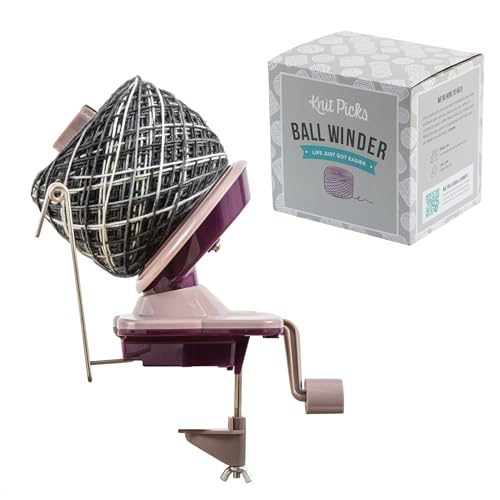
For the knitter who is just starting to build their collection, the KnitPicks Ball Winder is the industry standard for entry-level tools. It is compact, lightweight, and gets the job done without requiring a deep dive into your savings. It is perfect for winding standard 100-gram hanks of worsted or fingering weight yarn.
The primary benefit of this model is its simplicity and ease of storage. When you live in a small apartment or share your knitting space with other household activities, being able to tuck your winder into a drawer is a massive advantage. It operates smoothly, provided you don’t overstuff the spindle.
The reality is that this model uses plastic gears, which means it will eventually show signs of wear if you wind yarn daily. If you notice the gears slipping, it is usually a sign that you are moving too fast or the tension is too high. Start slow, keep your tension consistent, and this winder will serve you well for years.
Nancy’s Knit Knacks Heavy Duty Ball Winder

Nancy’s Knit Knacks has long been respected for engineering tools that prioritize the mechanics of yarn flow. Their heavy-duty winder is built for the knitter who demands precision and longevity. It is specifically designed to handle the torque required for winding large, dense cakes without skipping a beat.
What sets this apart is the smooth, fluid motion of the winding arm. When you are winding delicate fibers like silk or high-twist merino, you want a tool that doesn’t jerk or snag the yarn. A jerky winder can inadvertently stretch your yarn, which will ruin your gauge once the yarn "relaxes" back into its original shape in your finished garment.
This is a premium piece of equipment that justifies its price through its mechanical integrity. If you are a professional knitter or someone who produces a high volume of finished items, this is an investment in your sanity. It is the gold standard for those who value consistent tension above all else.
U-nitt Metal Yarn Ball Winder: Top Choice
The U-nitt Metal Yarn Ball Winder strikes a perfect balance between the ruggedness of a professional tool and the accessibility of a home-use device. By incorporating metal gears in a compact design, it offers the best of both worlds. It feels sturdy under the hand, giving you confidence that it won’t snap under heavy use.
I recommend this for knitters who want a "buy it once" solution. It handles everything from cobweb-weight lace to heavy aran-weight wool with impressive consistency. The metal gears are less prone to stripping, which is the most common point of failure for plastic winders.
If you are looking for a reliable, mid-range option that won’t require an upgrade in two years, this is your best bet. Its durability makes it the top choice for the dedicated maker. Just ensure you secure it properly to your table edge to take full advantage of its stability.
LAMXD Hand-Operated Yarn Ball Winder Tool
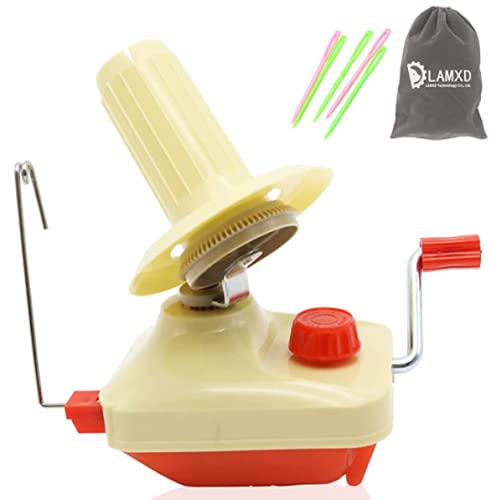
The LAMXD winder is a popular choice for those who need a portable, no-fuss solution. It is lightweight and easy to assemble, making it a great companion for knitting retreats or local guild meetings. If you find yourself helping friends wind their yarn at events, the portability of this unit is a significant perk.
While it is made primarily of plastic, it is surprisingly capable for its size. It is best suited for lighter weights and smaller hanks. If you push it to its limit with giant cakes of bulky yarn, you will notice the tension arm struggling to keep up.
The bottom line is that this tool is designed for convenience and occasional use. It won’t replace a heavy-duty metal winder for a high-volume stash, but it is perfect for the occasional project. Keep it clean and free of dust, and it will remain a reliable member of your tool kit.
Cowgirlblues Hand-Cranked Yarn Winder

Cowgirlblues brings a thoughtful, design-oriented approach to the humble ball winder. Their hand-cranked version is built with a focus on ergonomics, making it comfortable to use even if you are winding multiple hanks for a large blanket or sweater project. The handle is positioned to reduce wrist strain, which is a detail often overlooked by manufacturers.
This winder is particularly good at creating a nice, even tension. Uneven tension during winding can lead to "lumpy" cakes that collapse or tangle as you knit. By providing a smooth, steady rotation, this winder helps you maintain the integrity of your yarn’s twist.
If you have issues with hand fatigue or arthritis, the ergonomic consideration here is a major selling point. It is a tool that respects the physical reality of the knitter. It may have a slightly different look than standard models, but the performance is undeniably solid.
ChiaoGoo Hand-Operated Yarn Ball Winder

ChiaoGoo is a brand synonymous with quality knitting needles, and their winder reflects the same attention to detail. This model is exceptionally well-engineered, focusing on the smoothness of the yarn guide arm. A smooth guide is essential for preventing friction, which can cause static buildup in synthetic blends or pilling in delicate animal fibers.
The winder is compact but feels dense and well-balanced. It is easy to set up and, more importantly, easy to adjust for different yarn weights. Whether you are working with a thin mohair or a thick wool blend, the tension control is intuitive and effective.
If you already trust the ChiaoGoo brand for your needles, this winder will feel like a natural extension of your tools. It is a reliable, high-performing option that rarely disappoints. It is a solid middle-ground choice for those who want professional results without the industrial footprint.
Essential Features for a Quality Ball Winder
When shopping for a winder, look beyond the price tag and examine the construction of the gears. Metal gears are almost always superior to plastic, as they resist the wear-and-tear of daily winding. You also want to look for a base that is wide enough to provide stability; a winder that tips over is a winder that will eventually break.
Consider the following features before you commit:
- Gear Material: Metal is preferred for longevity, while plastic is acceptable for light, occasional use.
- Tension Arm: Look for a smooth, adjustable arm that guides the yarn without snagging.
- Table Clamp: A sturdy, rubber-padded clamp is essential to prevent damage to your furniture and ensure the unit stays in place.
- Capacity: Ensure the spindle is long enough to accommodate the size of cakes you typically need.
Remember that the winder is only as good as the surface it is attached to. A flimsy card table will vibrate, making the winding process difficult regardless of how expensive your winder is. Always aim for a solid, heavy table to get the best results.
How to Properly Use a Ball Winder at Home
The biggest mistake knitters make is trying to wind a hank too quickly. If you crank the handle at high speed, you create unnecessary friction and tension, which can stretch the yarn and lead to uneven cakes. Start slow to ensure the yarn is feeding properly from your swift, then find a steady, rhythmic pace.
Always use a yarn swift in conjunction with your ball winder. Trying to wind from a loose pile or a chair back is a recipe for tangles and frustration. The swift allows the hank to rotate freely, which is the only way to ensure the yarn remains untwisted and tension-free during the winding process.
Finally, do not overfill the spindle. A cake that is too large will eventually lose its shape, become unstable, and start to collapse. Stop when you see the yarn nearing the very edge of the spindle cone; it is better to have two medium-sized cakes than one giant, messy one.
Troubleshooting Common Yarn Winding Issues
If your yarn is constantly slipping off the spindle, check your tension guide. The yarn should be threaded through the eyelet or guide arm with enough resistance to keep it taut, but not so much that it creates a drag. If the yarn is too loose, the cake will be floppy; if it is too tight, you are effectively stretching your fiber.
Another common issue is the "yarn barf," where the center of the cake pulls out in a tangled mess. This usually happens when the yarn was wound too loosely or the spindle was overloaded. If you find your cakes are collapsing, try winding at a slightly slower, more consistent speed and ensure your swift is balanced.
If your winder starts to make a clicking or grinding noise, stop immediately. Clear any stray fibers that may have wrapped around the gears or the spindle base. A little bit of maintenance, such as occasionally clearing out dust and lint, will keep your winder running smoothly for years.
Investing in a quality ball winder is a rite of passage that transforms your stash from a chaotic pile of hanks into a library of organized, ready-to-use cakes. By understanding the mechanical differences between models and pairing your winder with a proper swift, you eliminate the most common source of knitting-related stress. Choose the tool that best fits your volume of work, treat it with care, and enjoy the meditative rhythm of prepping your yarn for the needles. Happy knitting, and may your cakes always pull from the center without a single tangle.