6 Best Cast-on Combs for Multiple Yarn Weights
Discover the 6 best cast-on combs for versatile knitting. Learn how to select the right tool for various yarn weights to ensure professional, even results.
Mastering the cast-on process is the secret to a professional finish on any machine-knitted garment. A well-chosen cast-on comb provides the necessary tension to ensure your first rows don’t drop or distort. Whether you are working with fine lace or chunky wool, the right tool acts as your third hand at the needle bed. Choosing the correct comb for your specific gauge is the single most effective way to eliminate frustration during those critical first few passes.
Passap E6000 Universal Cast-on Comb: Best Overall
The Passap E6000 comb is a marvel of engineering, designed to accommodate the unique dual-bed nature of the Passap system. Its teeth are spaced with high precision, allowing for a consistent, even pull across the entire width of the needle bed.
This comb shines because it handles a wide variety of yarn weights without needing constant swaps. If you are switching between a fine fingering weight for a summer tank and a heavier sport weight for a cardigan, this comb maintains its grip and tension integrity.
The tradeoff is the learning curve; the E6000 system requires a specific technique to ensure the comb locks securely into the stitches. Once mastered, however, it offers an unparalleled level of control. It remains the gold standard for knitters who demand consistency across diverse projects.
Silver Reed Standard Gauge Cast-on Comb: Top Pick
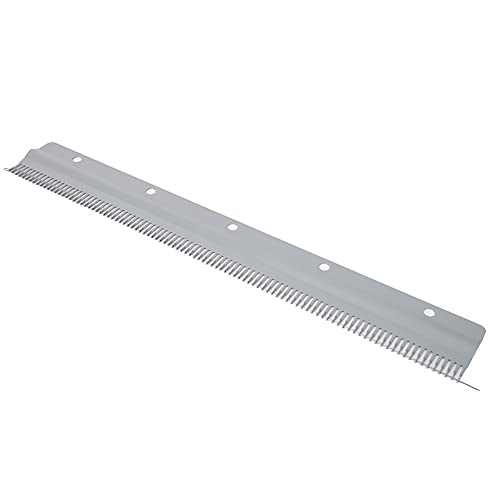

For those working on 4.5mm standard gauge machines, the Silver Reed comb is the workhorse of the industry. Its lightweight metal construction makes it easy to maneuver, even when you are working with full-width panels.
The teeth are perfectly sized to catch the loops of standard-gauge yarns like wool/nylon blends or crisp cottons. Because it is so ubiquitous, finding spare parts or accessories like end caps is incredibly simple, which is a huge plus for long-term maintenance.
If you are a production knitter, you want this comb for its reliability. It doesn’t snag delicate fibers, and it provides just enough weight to keep the stitches seated firmly in the hooks. It is the reliable, no-nonsense choice for the vast majority of standard-gauge projects.
Brother 4.5mm Metal Cast-on Comb: Best for Basics

Brother machines are famous for their longevity, and their standard 4.5mm metal comb is built to last just as long as the frames themselves. It is a straightforward, robust tool that does exactly what it promises without any unnecessary bells or whistles.
This is the perfect comb for beginners who are still learning how to manage stitch tension. The metal is smooth, ensuring that it won’t fray or split your yarn as you begin your cast-on row.
While it lacks the versatility of some modern, adjustable options, its simplicity is its greatest strength. You can drop it, leave it in a damp room, or use it for years, and it will still perform. It is the foundational tool every machine knitter should have in their kit.
KnitKing 9mm Bulky Cast-on Comb: Best for Chunky
When you move up to a 9mm bulky machine, you are often dealing with thick, lofty yarns that require a comb with a wider bite. The KnitKing bulky comb is specifically designed to handle these larger loops without distorting the stitch structure.
Using a fine-gauge comb on bulky yarn often leads to "stretching" the base of your work, which can ruin the drape of a sweater. This comb prevents that by distributing the weight across a wider surface area.
You will notice the difference immediately when working with wool roving or thick alpaca blends. The teeth are spaced wide enough to allow for the thicker yarn diameter, ensuring the needles can close properly. It is an essential investment for anyone serious about heavy-gauge knitting.
Studio 6.5mm Mid-Gauge Cast-on Comb: Best Versatile
The 6.5mm mid-gauge machine occupies a unique space, sitting right between the standard and bulky machines. The Studio mid-gauge comb is the bridge that allows you to knit DK weight yarns with ease.
This comb is incredibly versatile because it handles the "in-between" yarns that often don’t fit perfectly on a 4.5mm or 9mm bed. If you enjoy knitting with sport or light DK weight fibers, this is the tool that will keep your gauge uniform.
The teeth are spaced to provide a gentle tension, which is vital for the slightly loftier fibers often used in mid-gauge knitting. It is a specialized tool, but for the knitter who loves the versatility of mid-gauge machines, it is indispensable.
Bond Ultimate Sweater Machine Comb: Best Beginner
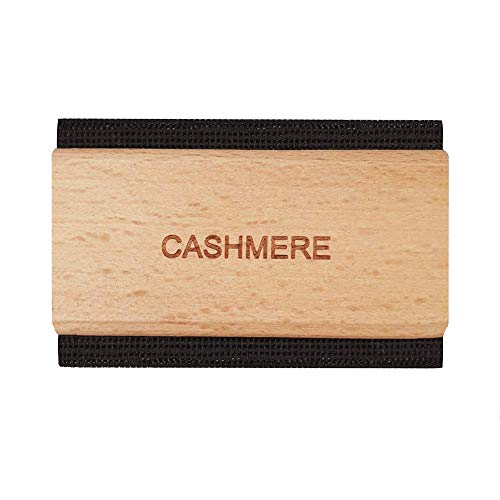
The Bond Ultimate Sweater Machine uses a plastic comb system that is significantly more approachable for someone just starting out. It is lightweight, flexible, and very forgiving if you make a mistake during the cast-on process.
Because it is made of plastic, it is less intimidating than the heavy metal combs used on professional-grade machines. It provides enough tension to keep the stitches from popping off, but it won’t damage the machine if you accidentally run it into the carriage.
This is the best choice for a hobbyist who is just testing the waters of machine knitting. It teaches you the mechanics of the cast-on without the weight and complexity of industrial-style metal combs.
Understanding Cast-on Comb Gauge Compatibility
Matching your comb to your machine gauge is not a suggestion; it is a necessity for clean edges. A comb with teeth spaced too widely for a fine-gauge machine will result in dropped stitches and uneven tension.
Conversely, using a fine-gauge comb on a bulky machine will cause the yarn to bunch up, leading to broken needles and jammed carriages. Always check your machine’s manual to see which comb is recommended for your specific needle bed.
- Standard Gauge (4.5mm): Best for fingering and sport weight.
- Mid-Gauge (6.5mm): Ideal for DK and light worsted.
- Bulky Gauge (9mm): Essential for worsted and chunky yarns.
How to Properly Weight Your Machine Knitting Comb
A comb alone is rarely enough; you must add weights to provide the downward tension required for the needles to knit correctly. Start with two weights on the ends of your comb to balance the pull across the bed.
As your work grows longer, you must move the weights up to keep the tension consistent near the needles. If you notice your stitches are starting to look "loose" or "puffy," it is a sign that you need to add more weight to the comb.
Never over-weight your comb, as this can cause the yarn to snap or the needles to bend. Aim for a steady, firm pull that keeps the fabric flat against the needle bed without straining the yarn fibers.
Maintenance Tips for Your Metal Knitting Combs
Metal combs are durable, but they are not immune to wear and tear. Periodically check the teeth of your comb for any burrs or rough spots that could snag your yarn.
If you find a rough edge, use a very fine-grit emery board or jeweler’s file to smooth it out gently. Keeping your combs clean of dust and fiber buildup is also crucial, as debris can interfere with the comb’s ability to seat properly in the needles.
- Clean: Wipe down with a soft cloth after every project.
- Store: Hang your combs vertically to prevent the teeth from bending.
- Protect: A light wipe with a silicone-based lubricant can prevent rust in humid climates.
Troubleshooting Common Cast-on Comb Issues
If your comb keeps falling out, check that your cast-on row is long enough and that you have applied even weight. Often, a comb will detach because the tension is uneven across the width of the machine.
If your yarn keeps snagging on the teeth, double-check your yarn choice; some fuzzy mohair or loosely spun singles are prone to catching on any metal tool. In these cases, try a slower, more deliberate cast-on technique.
Don’t panic if your first few rows look messy; this is common even for experienced knitters. The weight of the comb will eventually settle the stitches, and you can always block out slight irregularities during the finishing process.
Selecting the right cast-on comb is a foundational step that transforms your machine knitting from a struggle into a seamless craft. By matching the tool to your gauge and maintaining it with care, you ensure every project begins with a perfect, secure edge. Remember that your comb is a partner in your knitting process, providing the steady tension necessary for professional results. With these tools in your arsenal, you are well-equipped to tackle any pattern with confidence and precision.