6 Best Needle Polishes For Snag Free Knitting
Smooth needles prevent snags. Discover our top six polishes to restore your knitting tools, ensuring seamless stitches and a snag-free crafting experience.
There is nothing more frustrating than a needle tip that catches on your yarn, turning a rhythmic session of stockinette into a constant battle against snags. Over time, even the finest needles can develop microscopic burrs or oxidation that impede your stitches. By maintaining your tools with the right polishes, you can restore that effortless glide and extend the life of your favorite needle sets. These six solutions are the gold standard for keeping your needles in peak condition.
Eucalan Delicate Wash: Best for Needle Care
While primarily known as a no-rinse wool wash, Eucalan is a surprisingly effective tool for maintaining the integrity of your needles. Many knitters overlook the fact that oils from our hands can build up on needle surfaces, attracting dust and creating friction.
A gentle wipe-down with a diluted Eucalan solution cleans the needle surface without leaving a harsh chemical residue. It is particularly effective for bamboo or wooden needles, as it cleans without stripping the natural finish that keeps the wood from drying out.


If you are working with sticky, plant-based fibers like cotton or linen, keeping your needles free of skin oils is essential. A clean needle is a fast needle. Use Eucalan as your first line of defense for routine maintenance before reaching for heavier polishes.
Bee’s Wax Blocks: Best for Natural Coating
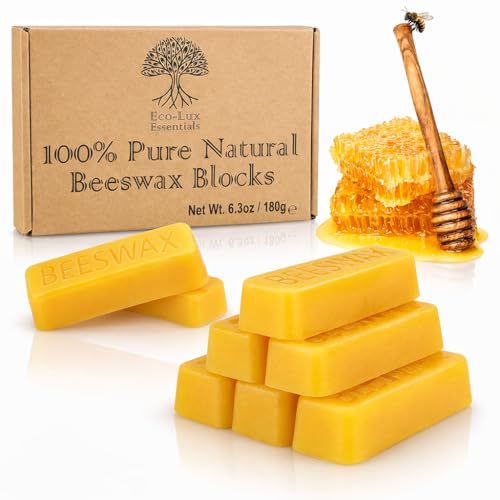
If you prefer a tactile, organic approach to needle care, a simple block of pure beeswax is an old-school favorite. It adds a subtle layer of slip that helps the yarn travel over the needle, especially if you are working with "grabby" wools like high-twist Highland or sticky alpaca.
The beauty of beeswax is its control; you can apply a tiny amount to the tips where you need it most without coating the entire shaft. It creates a smooth, protective barrier that fills in minor surface imperfections on wood or plastic needles.
Be mindful that too much wax can attract lint, so use it sparingly. If you find your needles are feeling sluggish, a quick buff with a soft cloth will remove the excess and restore the shine. Beeswax is the perfect choice for knitters who want a natural, non-toxic solution.
HiyaHiya Needle Polish: Best for The Professional Choice

When you invest in high-quality stainless steel needles, you want a polish that respects the material’s finish. HiyaHiya’s dedicated needle polish is formulated specifically to smooth out the surface without altering the precision of the tip.
It is particularly useful for needles that have developed a slight "tarnish" or dullness from years of heavy use. By buffing the surface, you remove the microscopic oxidation that often makes steel needles feel "draggy" against the yarn.
Don’t confuse this with abrasive hardware store polishes that might scratch your needles. This product is designed to enhance the slickness that steel users crave. It is the top recommendation for those who prioritize a fast, consistent knitting speed.
Renaissance Wax: Best for Long-Term Protection
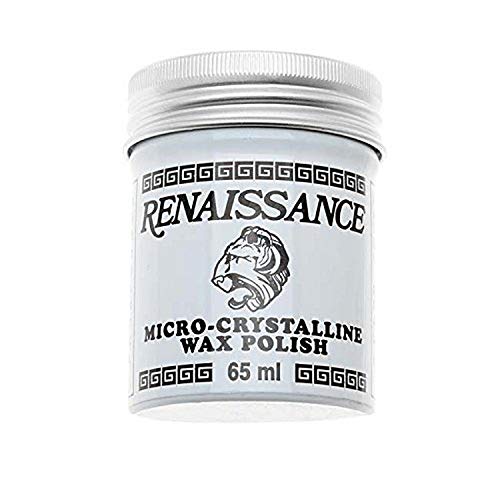
Renaissance Wax is a micro-crystalline wax used by museum curators to preserve artifacts, making it an elite choice for your needle collection. It creates an incredibly thin, hard, and moisture-resistant barrier that lasts far longer than standard beeswax.
This is the "set it and forget it" option for your needles. It prevents corrosion on metal needles and protects wooden needles from humidity, which can otherwise cause them to warp or lose their finish over time.
Because it is so durable, you only need a tiny amount. Buff it in thoroughly with a lint-free cloth to ensure the needle remains slick rather than tacky. Use this for your heirloom-quality needles that you want to keep in perfect condition for decades.
Clover Needle Polish: Best for Smooth Gliding

Clover has long been a staple in the knitting world, and their needle polish is engineered to provide that "buttery" feel. It is specifically designed to reduce the friction between the needle and the yarn, which is a lifesaver when working with intricate lace patterns.
If you are a tight knitter, you know how much effort it takes to slide stitches over the join or the tip. This polish minimizes that resistance, allowing your stitches to move freely and helping you maintain a more even tension.
It is safe for most materials, including plastic, aluminum, and bamboo. Keep a container in your knitting bag for a quick refresh during long projects. It is an affordable, reliable way to ensure your needles feel brand new every time you sit down to knit.
Flitz Metal Polish: Best for Dull Surfaces

Sometimes, a needle gets a deep scratch or a patch of heavy oxidation that standard cleaners just can’t fix. Flitz is a concentrated, non-abrasive paste that acts as a heavy-duty restorer for metal surfaces.
You only need a pea-sized drop to treat an entire set of needles. Rub it in, let it haze, and then buff it off with a clean microfiber cloth to reveal a mirror-like finish. It effectively "resurfaces" the metal, making it feel smoother than the day you bought it.
Use this sparingly, as it is much stronger than the other products on this list. It is an excellent tool for reviving vintage needles found at thrift stores. Use Flitz only when your needles show visible signs of wear or dullness that affect your gauge.
Why Your Knitting Needles Need Regular Polishing
Over time, constant friction from yarn fibers creates microscopic scratches on the surface of your needles. These burrs act like tiny hooks, catching on the plies of your yarn and leading to fraying or splitting.
Regular polishing fills these gaps and smooths the surface, ensuring a consistent glide. If you knit with delicate fibers like silk or mohair, a smooth needle is non-negotiable to prevent damage to the yarn.
Furthermore, metal needles can develop a patina or oxidation that increases friction. By polishing them regularly, you maintain the "slickness" that allows for faster knitting speeds. A polished needle is a protected needle.
How to Safely Clean Your Needles Before Polishing
Before applying any polish, you must start with a clean surface. Any dirt, dust, or residual hand lotion trapped under the polish will create a gummy mess that ruins your yarn.
Start by wiping the needles with a damp, lint-free cloth to remove surface debris. For stubborn buildup, a very mild soap solution works wonders, but be sure to dry the needles completely immediately after to prevent rust on metal or swelling on wood.
Once they are clean and dry, let them sit for a few minutes to ensure zero moisture remains. Never apply polish to a dirty needle. This simple step ensures that your polishing efforts actually work as intended.
Preventing Snags: Tips for Needle Maintenance
Prevention is always easier than repair. Store your needles in a case that keeps them separated, as letting them clatter together in a bag is the fastest way to create new scratches.
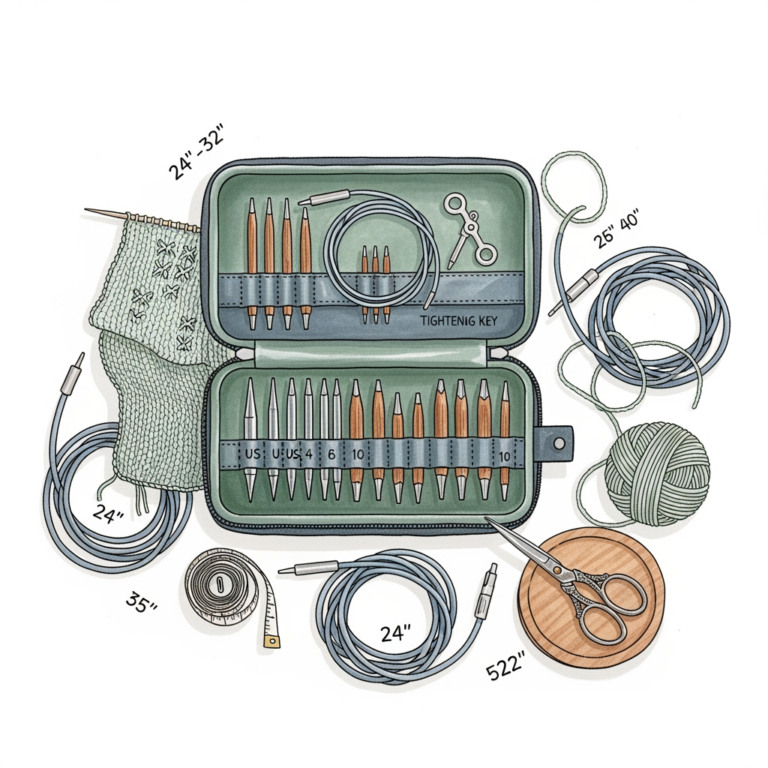
Be mindful of the join between your needle tip and the cable on circular needles. This is the most common place for snags; if the join feels rough, a tiny dab of clear nail polish or a very fine grit sandpaper can smooth it out before it ruins your yarn.
When you aren’t using your needles, keep them out of direct sunlight and away from extreme heat. Wood can dry out and crack, while some plastics can become brittle. Treat your needles with the same care as your favorite hand-dyed wool.
When to Replace Needles Instead of Polishing
There comes a point where a needle is beyond saving. If you notice a deep gouge that you can feel with your fingernail, it will likely continue to snag your yarn regardless of how much polish you use.
Bent metal needles or warped wooden ones should also be retired. While you might be tempted to try and straighten them, this usually compromises the integrity of the material and can lead to uneven tension in your fabric.
If the finish on a wooden needle has completely worn away, revealing raw, splintery wood, it is time for a replacement. Don’t let a faulty tool ruin a beautiful project. Sometimes, the best maintenance is knowing when to say goodbye.
Maintaining your knitting needles is a simple habit that pays off in smoother stitches and a more enjoyable crafting experience. Whether you choose the long-term protection of Renaissance Wax or the quick refresh of a Clover polish, your needles will thank you for the attention. Take care of your tools, and they will help you create beautiful, professional-looking garments for years to come. Happy knitting!