6 Best Blocking Kits For Beginner Knitters To Try
Master your craft with our top 6 blocking kits for beginners. These sets simplify shaping, ensuring your finished projects look professional and polished.
Blocking is the final, transformative step that turns a collection of stitches into a professional-looking garment. Many beginners fear this process, but having the right tools makes all the difference in achieving consistent results. This guide breaks down the best blocking kits on the market to help you find the perfect match for your fiber stash. With the right gear, your hand-knits will finally achieve the drape and shape you envisioned when you first cast on.
KnitIQ Blocking Mats: The Best Overall Choice
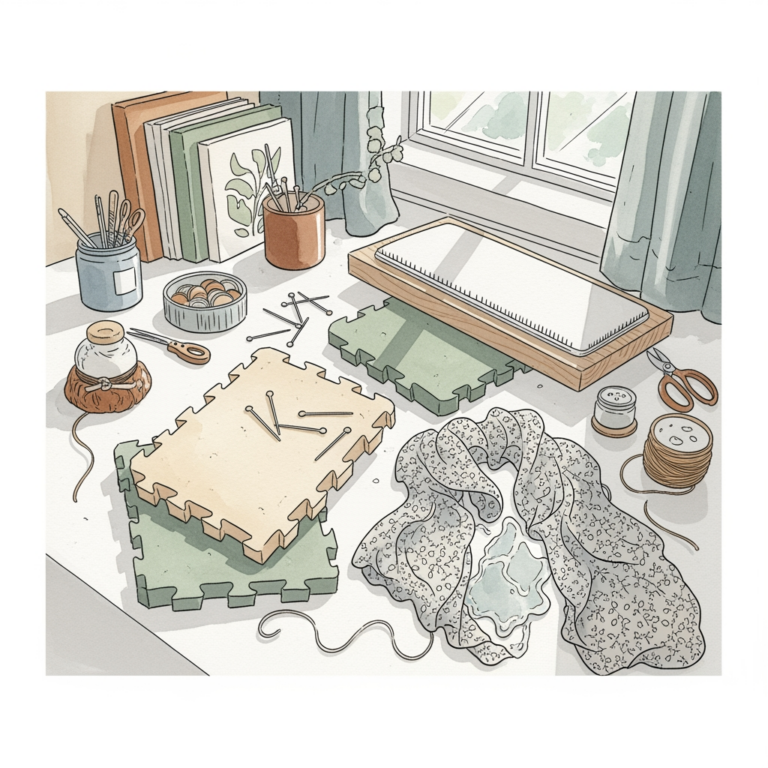
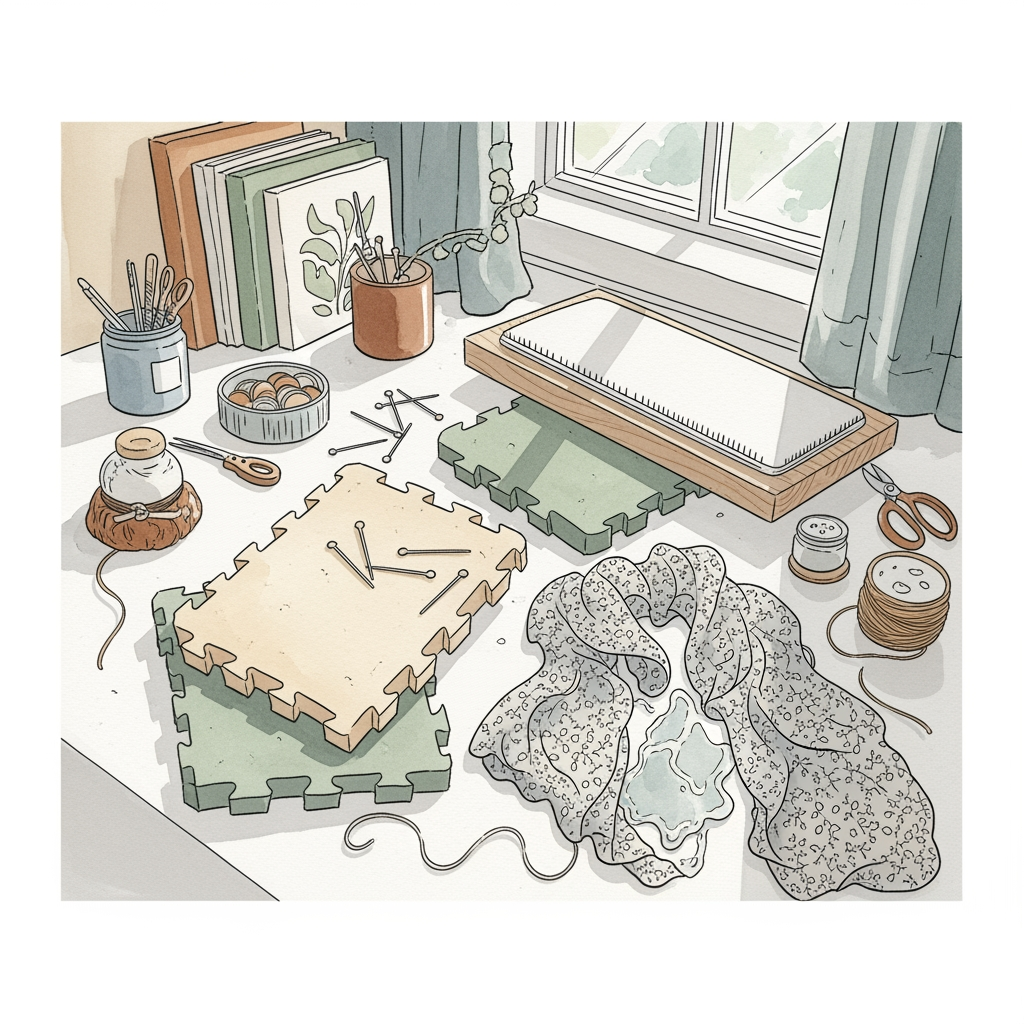
These mats are a staple in many studios because they offer a perfect balance of durability and functionality. The grid lines printed directly onto the surface are a game-changer for beginners who struggle with symmetry.
If you are working on a large sweater or a wide shawl, the interlocking design allows you to expand your workspace infinitely. The thickness of the foam is sufficient to hold T-pins securely without them poking through the bottom.
The bottom line: If you want a reliable, long-term investment that handles everything from baby blankets to oversized sweaters, this is your best starting point.
Knitter’s Pride Lace Blocking Kit: Top Pick


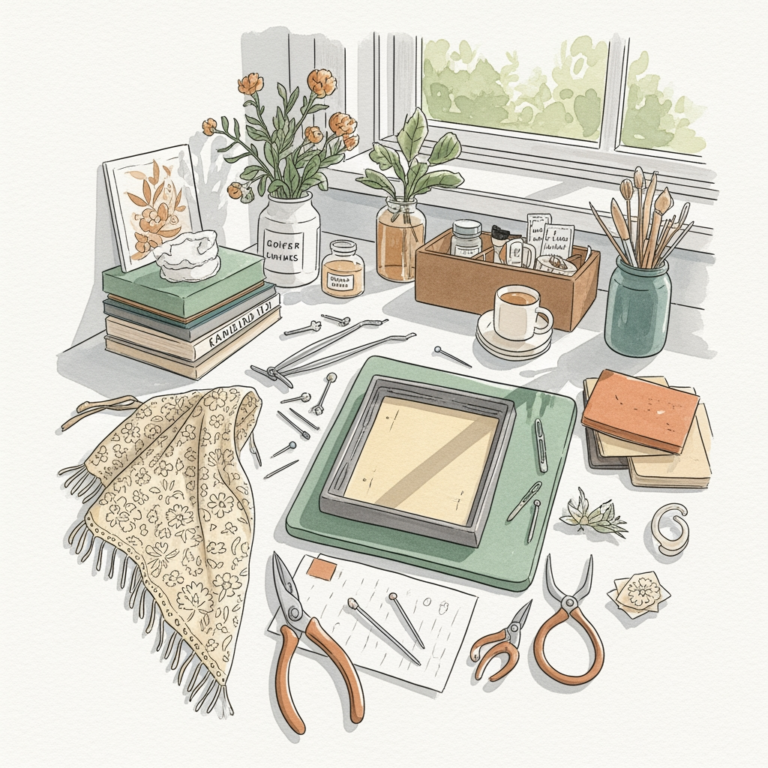
This kit is designed for the knitter who is ready to move beyond basic scarves and into the world of intricate lace. It includes flexible blocking wires, which are essential for achieving smooth, scalloped edges on shawls that rigid pins simply cannot replicate.
The wires allow you to thread through the edge stitches of your project, creating an even, tension-free curve. Trying to achieve this with individual pins often results in "scalloping" or uneven points, which can ruin the look of a delicate mohair or merino project.
The bottom line: Choose this kit if your knitting goals involve complex lace patterns that require precise, uniform tension across long edges.
Boye Blocking Board: Best Budget-Friendly Kit
When you are just starting out, you might not want to invest heavily in specialized gear. The Boye board offers a straightforward, no-frills solution that gets the job done without breaking the bank.
It is particularly useful for smaller accessories like hats, mitts, or small swatches. While it lacks the expansive surface area of premium mats, it is compact and easy to store in a small apartment or a crowded craft room.
The bottom line: This is an excellent choice for a beginner who wants to master the basics of blocking without committing to a large, expensive setup.
Cocoknits Blocking Kit: Best Premium Option

Cocoknits has built a reputation on thoughtful design, and their blocking kit is no exception. It features a unique magnetic board and pins that make the process feel less like a chore and more like a structured craft.
The inclusion of a specialized ruler and pins that are easy on the fingers makes this a joy to use. For those who struggle with dexterity, the ergonomic design of the tools is a significant advantage over standard, thin T-pins.
The bottom line: If you value high-quality materials and ergonomic design, the investment here pays off in comfort and ease of use.
Clover Blocking Mats: Best For Small Projects
Clover is known for precision and consistency, and their mats are no different. These are ideal for the knitter who focuses primarily on socks, cowls, or small decorative items.
Because they are smaller and more portable, they don’t take over your entire living room floor. The material is dense and high-quality, ensuring that your pins stay exactly where you place them without shifting during the drying process.
The bottom line: These mats are perfect for the "sock knitter" who needs a dedicated, reliable surface that fits easily on a tabletop.
Lacis Blocking Kit: Best For Lace Projects
Lacis provides specialized tools that cater to the demanding nature of fine-gauge lace. When working with delicate fibers like silk or fine alpaca, you need tools that won’t snag or damage the yarn.
This kit often includes specific pins and wire configurations that are optimized for high-tension blocking. It is a more technical approach, but for those who love the "reveal" of opening up a lace pattern, it is worth every penny.
The bottom line: Use this kit if you are working with fine-weight yarns where precision is the difference between a beautiful shawl and a tangled mess.
Why Blocking Is Essential For Your Knitting
Blocking is not just about making a project look pretty; it is about evening out your tension. Every knitter has slight variations in their stitch size, and blocking acts as an "equalizer" that smooths those inconsistencies out.
It also allows you to manipulate the final dimensions of your garment. If your sweater is a half-inch too short, a good block can often add that length, provided you are working with natural fibers like wool or alpaca.
The bottom line: Think of blocking as the "finishing school" for your knitting; it is the difference between a homemade item and a professional piece.
How To Choose The Right Blocking Tools For You
The most important factor is the type of projects you typically knit. If you are a sock knitter, you don’t need a massive set of floor mats; a small, portable board will serve you much better.
Consider your space constraints as well. If you live in a small space, look for kits that fold or stack compactly. Also, consider the fiber you use; if you work with delicate lace, prioritize kits that include wires over those that only offer pins.
The bottom line: Match your tools to your projects, not to the most expensive kit on the shelf.
Essential Tips For Successful Wet Blocking
Always soak your finished piece in lukewarm water with a gentle wool wash for at least 15-20 minutes. This allows the fiber to fully relax and absorb the moisture, which is necessary for the fibers to "set" in their new shape.
After soaking, gently squeeze the water out using a towel—never wring or twist the fabric. Wringing can stretch the fibers unevenly and cause permanent distortion, especially in delicate yarns.
The bottom line: Patience is your best tool; let the garment dry completely before removing the pins.
Common Mistakes To Avoid When Blocking Knits
The biggest mistake is over-stretching the fabric. While blocking can help shape a garment, it cannot fix a project that is the wrong size; if you force it to stretch too far, you will ruin the stitch definition.
Another common error is using cheap pins that can rust. Always ensure your pins are stainless steel, especially if you are working with light-colored yarns, to avoid permanent rust stains on your hard work.
The bottom line: Block to shape, not to resize; trust your gauge swatch and be gentle with your finished work.
Now that you have the right tools and knowledge, you can approach your next project with confidence. Remember that blocking is a skill that improves with practice, so don’t be afraid to experiment with different techniques. Your hand-knits deserve that final touch of care to truly shine. Happy knitting, and enjoy the transformative magic of a perfect block.