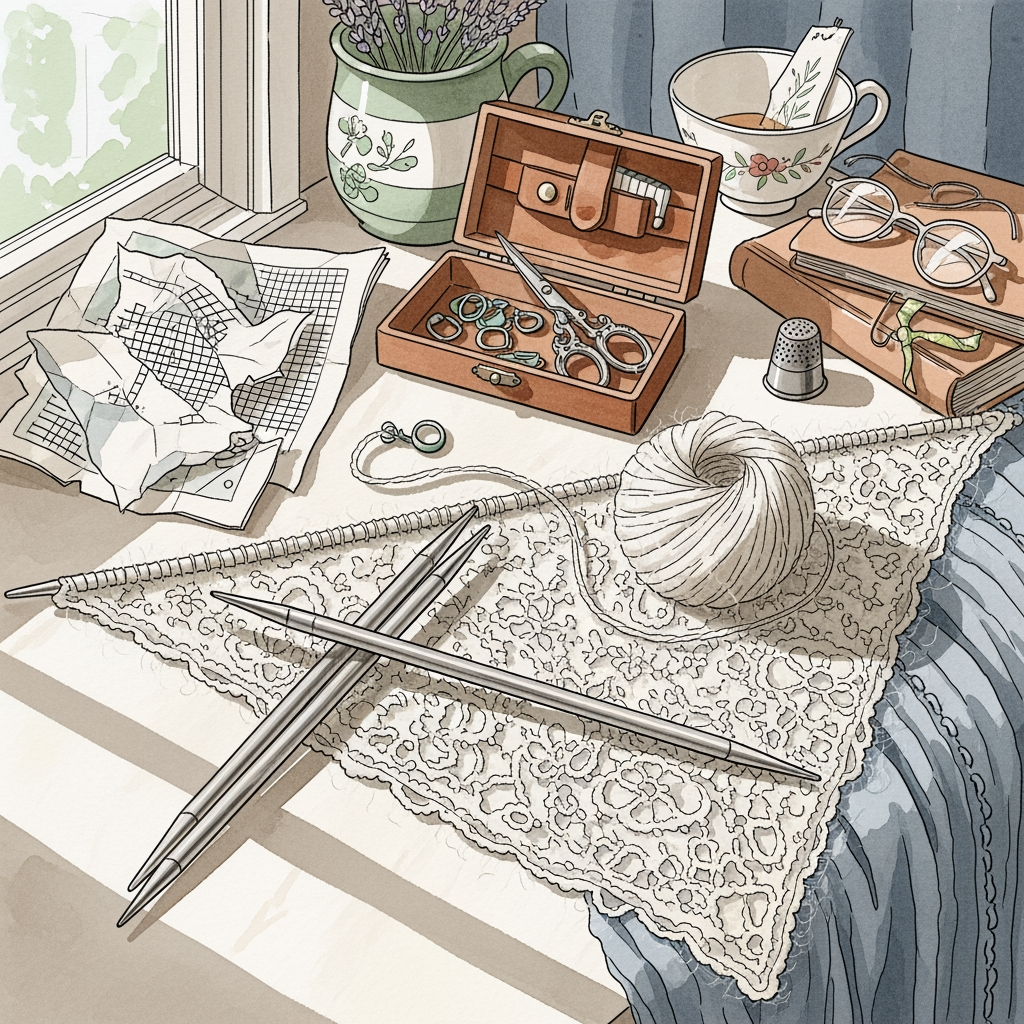
7 Best Luxury Knitting Needles For Delicate Fibers
Discover the top 7 luxury knitting needles for delicate fibers. Learn which premium materials offer the best grip and stitch precision for your finest yarns.
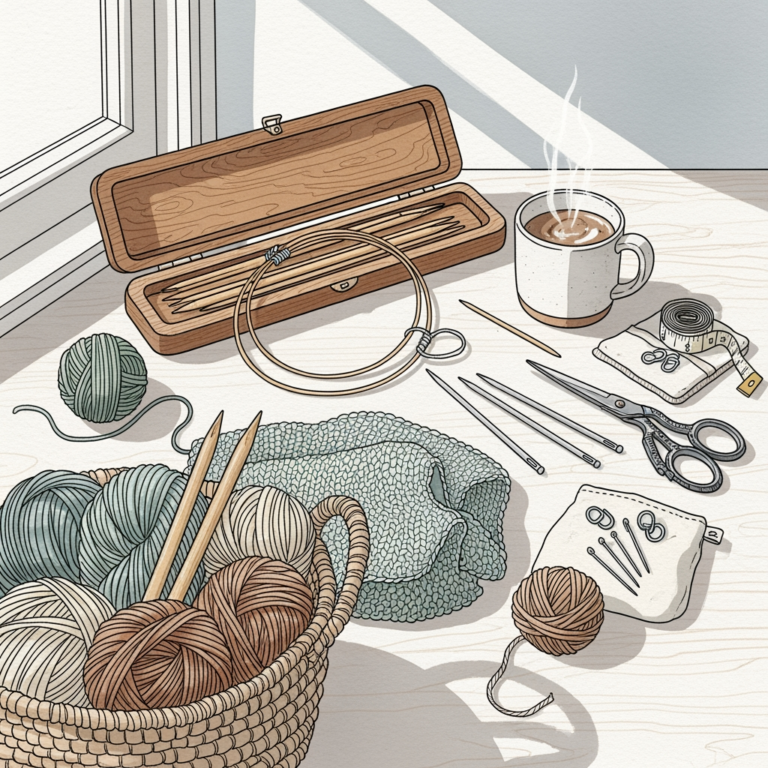
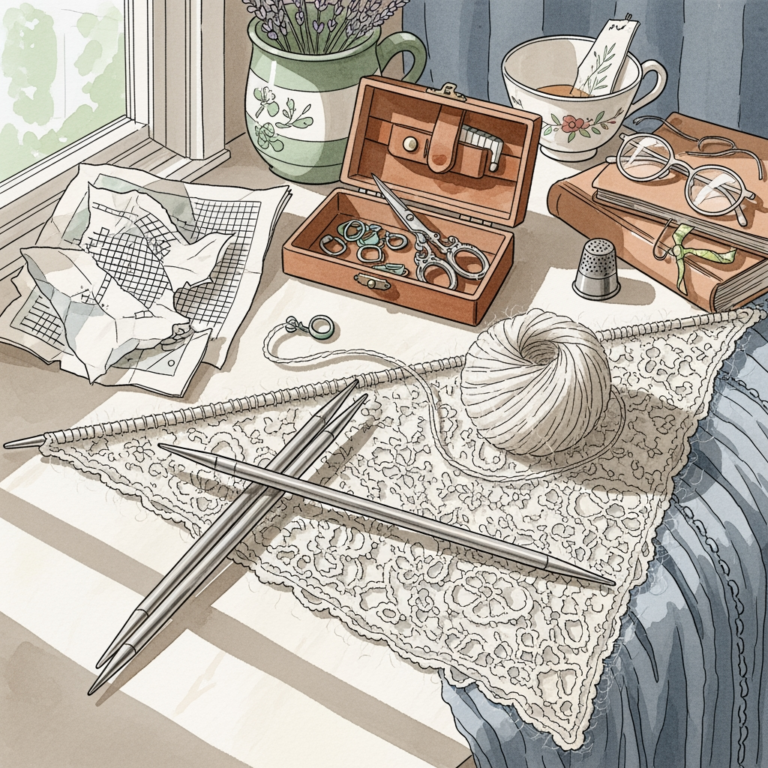
Working with delicate fibers like lace-weight mohair, pure silk, or high-twist alpaca requires more than just patience; it demands the right tools to protect your yarn’s integrity. A needle that is too blunt can split fine plies, while a surface that is too abrasive can cause delicate fibers to fray or fuzz. Selecting the right luxury needle transforms a frustrating, snag-prone project into a meditative experience. Here are seven premium options that elevate the handling of your most precious materials.
Addi Lace Rocket Needles: Best for Precision


These needles are legendary for their signature "Rocket" tip, which is specifically engineered for intricate stitch manipulation. If you are working on a complex cable pattern with slippery silk, the point is sharp enough to pick up stitches without splitting the delicate strands.
The nickel-plated brass finish provides a slick surface that allows your stitches to glide effortlessly. This is a massive advantage when working long rows of lace, as it prevents hand fatigue caused by fighting against friction.
However, the extreme slickness can be a double-edged sword for beginners. If your tension is loose, you might find your stitches sliding off the needles more often than you’d like.
ChiaoGoo Red Lace Needles: Ultimate Smoothness

ChiaoGoo has earned its reputation through the impeccable transition from the needle body to the cable. When you are knitting with a fine, multi-ply yarn, any snag at the join can cause the fiber to catch and pill; these needles eliminate that risk entirely.
The stainless steel construction offers a cool, consistent feel in the hands. Because they are slightly heavier than aluminum, they provide a satisfying weight that helps maintain a steady, rhythmic gauge during long sessions.
The "Red Lace" cable is perhaps the most famous feature of this line. It is memory-free, meaning it won’t kink or coil up while you are trying to work, which is vital when you are managing a large shawl on a circular needle.
Lykke Driftwood Needles: Best for Silk Yarns
Not every project benefits from the lightning-fast speed of metal. When you are working with pure silk or very fine, slippery synthetic blends, the gentle grip of Lykke’s birchwood needles provides essential control.
The smooth, polished finish of the driftwood is warm to the touch and offers just enough "grab" to keep your stitches from sliding away. This is crucial for delicate fibers that tend to be "runny," as it gives you a split-second of extra security before you pull the yarn through.
While these needles are incredibly beautiful, they are still wood. If you are a very tight knitter, be mindful that fine-gauge wood needles can be prone to snapping if subjected to too much lateral pressure.
HiyaHiya Sharp Needles: Ideal for Fine Lace

HiyaHiya Sharp needles are the go-to for knitters who prioritize a needle that can navigate the tightest of stitch patterns. The tips are exceptionally tapered, making them perfect for knitting multiple stitches together in complex lace decreases.
The lightweight stainless steel construction ensures that your hands don’t tire during marathon sessions. This is particularly useful when you are working on lace projects that require hundreds of hours of precision work.
One trade-off is the intensity of the point; it is sharp enough to prick your finger if you have a habit of pushing the needle tip with your index finger. If you use a "pushing" style, consider using a leather thimble or adjusting your technique to avoid discomfort.
Lantern Moon Ebony Needles: Best for Grip

Ebony is a luxury material that feels distinct from any other wood. These needles are dense and dark, providing a smooth surface that feels almost like glass, yet they retain the natural friction that prevents fine yarn from sliding off prematurely.
The liquid silk finish is applied to the wood, which helps the yarn glide over the needle without snagging on the grain. It’s an ideal choice for fibers that are prone to splitting, as the wood is more forgiving than metal.
Because these are handcrafted from natural materials, they possess a unique character. They are an investment piece for the knitter who appreciates the tactile, organic experience of working with high-end tools.
Kollage Square Needles: Best for Ergonomics

If you suffer from hand pain or arthritis, the square shape of these needles is a game-changer. The flat sides provide a larger surface area for your fingers to grip, which requires less pressure to hold the needles securely.
The square profile also promotes a more even gauge, especially for knitters who struggle with tension consistency. By creating a slightly different stitch geometry, these needles can help you achieve a more uniform look in your lace and stockinette fabrics.
Transitioning to square needles takes a few rows of adjustment, but most knitters find the shift intuitive. They are an excellent choice for long-term projects where hand health is a primary concern.
Signature Needle Arts: The Luxury Standard
Signature Needle Arts needles are the pinnacle of American-made quality, featuring a unique "Stiletto" tip that is perfect for fine-gauge work. They are machined to exacting tolerances, meaning your stitch size remains perfectly consistent throughout the entire project.
The needles are available in different surface finishes, allowing you to choose the level of slickness that matches your personal knitting style. This level of customization is rare and reflects the brand’s commitment to the serious artisan.
They are undoubtedly an investment, but they are designed to last a lifetime. If you are committed to the craft and want a tool that performs flawlessly, these are the gold standard.
Why Surface Texture Matters for Delicate Fibers
The "drag" of a needle is determined by its material and finish. Metal is generally the fastest, while wood and bamboo offer more resistance. When working with delicate, slippery fibers like bamboo or silk, a slightly grippier surface can prevent accidental dropped stitches.
Conversely, when working with sticky fibers like mohair or angora, you want a very slick surface. If you use a grippy wooden needle with mohair, the fiber’s natural halo will catch on the wood, making it nearly impossible to move your stitches.
Always match the friction of your needle to the "personality" of your yarn. A good rule of thumb: Slick needles for sticky yarn, grippy needles for slippery yarn.
Understanding Taper and Tip Shape for Fine Yarn
The taper of a needle—the length of the point before it reaches the full diameter—is just as important as the sharpness. A long, gradual taper is excellent for lace because it allows you to easily insert the needle into tight, complex stitch formations.
A blunt tip, while safer for your fingers, can be a nightmare for lace. It forces you to stretch the stitch more than necessary, which can distort the yarn and lead to uneven tension or broken fibers.
If you are struggling to pick up stitches in a fine-gauge project, look for a needle with a longer, more acute taper. It will slide into the stitch loop with minimal effort, preserving the twist of your yarn.
How to Properly Store Your Luxury Needle Sets
Luxury needles are an investment, and proper storage is essential to prevent warping or damage. Always store your needles in a case that keeps them flat and organized, especially if you are using wood or bamboo, which can bend if stored under pressure.
Avoid leaving your needles in direct sunlight or near heat sources. Fluctuations in temperature and humidity can cause wood to expand or contract, potentially leading to cracks or affecting the smoothness of the finish.
Finally, keep your needles clean. A quick wipe with a soft, dry cloth after a project removes the oils from your hands, which can build up over time and create a sticky residue on the needle surface.
Investing in high-quality needles is one of the most effective ways to improve both the speed and the enjoyment of your knitting. By understanding how different materials and shapes interact with your specific fiber, you can eliminate many of the common pitfalls that plague delicate projects. Choose the tool that complements your unique knitting style, and you will find that even the most challenging lace becomes a joy to create. Happy knitting, and may your stitches always be perfectly formed.