7 Best Hand Salves For Dry Knitting Skin That Work
Dry skin can snag delicate yarn. We’ve tested seven top hand salves that soothe irritation, absorb quickly, and keep your knitting projects smooth and soft.
Knitting for hours on end is a labor of love, but the constant friction against wool and needles often leaves our skin parched and prone to painful snags. Dry, cracked fingertips aren’t just uncomfortable; they can actually catch on delicate fibers like mohair or silk, ruining the finish of your project. Finding the right hand salve is essential for maintaining both your skin health and the integrity of your hand-knit garments. These seven picks are curated specifically to help you knit comfortably without compromising your yarn’s tension or texture.
Burt’s Bees Hand Salve: Best For Deep Hydration


This classic salve is a staple in many knitting bags because it relies on a heavy-duty blend of botanical oils and beeswax. It provides a protective barrier that feels substantial, which is perfect if you’ve spent the weekend working with high-twist wools that tend to strip natural oils from your skin.
Because it is quite thick, it excels at softening the tough, calloused skin that often develops on the pads of the fingers from gripping metal or wooden needles. If you find yourself knitting cables or complex colorwork where your tension is tight, this salve helps keep the skin pliable enough to prevent those deep, painful cracks.
The trade-off here is the finish; it is definitely on the heavier side. I recommend applying this as a "treatment" rather than a mid-knitting top-up. Apply it right before you set your project down for the night to allow the botanicals to soak in fully.
Working Hands Cream: Best For Cracked Skin

If your skin is so dry that it’s actually splitting—often caused by the low humidity of winter knitting sessions—this cream is a lifesaver. It is specifically formulated to create a moisture-locking seal, which is critical when you’re handling dry, thirsty fibers like cotton or linen that seem to suck the moisture right out of your hands.
Unlike many floral-scented lotions, this is unscented and non-greasy once it sets. This makes it a top-tier choice for those who don’t want their yarn smelling like a perfume counter or leaving a slick residue on their favorite bamboo needles.
Keep in mind that it doesn’t offer much in the way of "pampering" or scent; it is a purely functional tool. It’s the knitting equivalent of a reliable stitch marker—it does exactly what it’s supposed to do without any fuss.
L’Occitane Shea Butter: Best Non-Greasy Pick
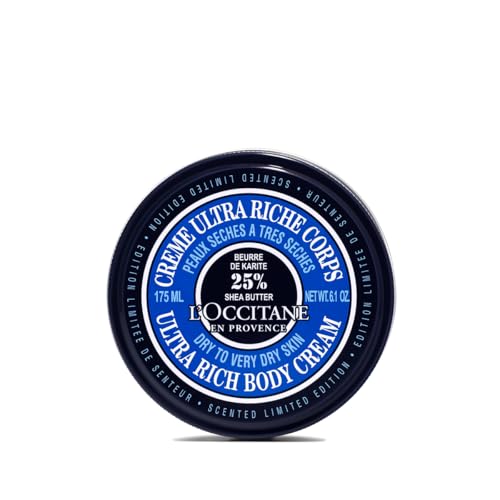
When you are in the middle of a delicate lace project, the last thing you want is a greasy film transferring onto your fine-gauge lace weight yarn. This cream is legendary for its ability to absorb quickly while still providing a high concentration of shea butter.
It feels luxurious, which makes it a great "treat" for your hands after finishing a long, tedious bind-off. The absorption rate is high enough that you can usually pick up your needles again within a few minutes without worrying about your yarn sliding uncontrollably through your fingers.
However, because it is more lightweight, it may not be enough for those with severely cracked cuticles. Use this as a maintenance product to keep your hands supple during long, steady knitting sessions.
Badger Balm For Hardworking Hands: Best Organic
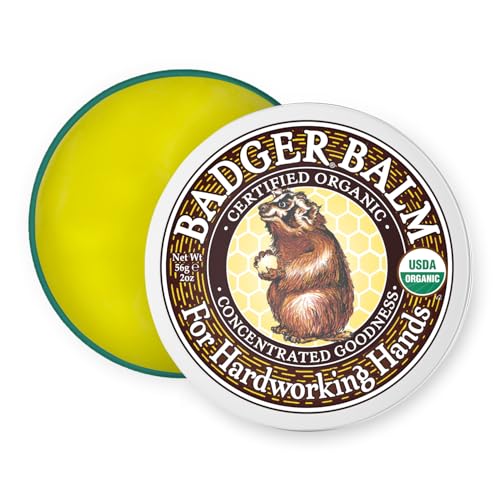
Badger Balm is an intensely concentrated salve that uses organic extra virgin olive oil and castor oil. It is incredibly effective for knitters who prefer natural ingredients and want to avoid synthetic silicones that might leave a slippery coating on their needles.
It is particularly effective if you are knitting with "grippy" fibers like highland wool or unspun lopi. Because it doesn’t contain the slip-inducing agents found in cheaper lotions, it restores skin elasticity without making your needles feel like they are coated in oil.
Be warned: a little goes a very long way. If you use too much, you will be waiting a while for it to absorb. Start with a tiny dab, warm it between your palms, and massage it into your cuticles first.
Eucerin Advanced Repair: Best For Sensitive Skin

Knitting is a repetitive motion, and if your skin is irritated or sensitive, the wrong lotion can cause stinging or redness. Eucerin is a fragrance-free, dermatologist-recommended option that prioritizes repairing the skin barrier rather than just masking the symptoms of dryness.
This is ideal for knitters who suffer from contact dermatitis or who are sensitive to the dyes used in some commercial yarns. It provides a long-lasting hydration boost that holds up even if you are knitting in a dry, climate-controlled environment.
It is a bit thicker and takes a moment to sink in, so it’s best used during breaks. It won’t leave a heavy residue, but it does feel like a protective layer on the skin.
Bag Balm Ointment: Best For Intense Overnight

Bag Balm is the "nuclear option" for knitters who have neglected their hands during a massive project push. It is an old-school, petroleum-based ointment that is unparalleled for healing deep, painful splits around the nail bed.
The texture is thick, heavy, and very persistent. You absolutely do not want to use this while knitting, as it will leave a permanent sheen on your needles and could potentially stain lighter-colored yarns.
The best approach is to apply a generous layer before bed and wear thin cotton gloves overnight. You will wake up with significantly softer, more resilient skin, ready for another day of stitching.
Neutrogena Norwegian Formula: Best Fast Absorbing
This formula is a classic for a reason: it is highly concentrated and designed to be used in small amounts. It absorbs almost instantly, which is a major advantage if you are the type of knitter who can’t sit still for more than five minutes without picking up your needles.
Because it is so fast-absorbing, it doesn’t leave that dreaded "slick" feeling on your fingers. This is vital when you are working with needles that are already quite slippery, like nickel-plated or polished stainless steel.
It provides a glycerin-based hydration that feels like a drink of water for your skin. It is the perfect "knitting bag" companion for quick applications between rows or while waiting for a video tutorial to load.
Why Knitters Need Specialized Hand Care Routines
Knitting is a high-friction activity that puts your hands through thousands of repetitive motions per hour. The constant slide of yarn against the skin, combined with the pressure of holding needles, strips away natural oils and leads to micro-tears in the cuticles.
If you don’t maintain your hands, those micro-tears become snag points. A dry, jagged cuticle can catch on a delicate ply of silk or a fuzzy strand of mohair, causing the yarn to fray or snap, which is a frustration no knitter needs.
A specialized routine isn’t about vanity; it’s about tool maintenance. Just as you keep your needles organized and your yarn stored away from moths, your hands are the primary tool of your craft and deserve the same level of care.
How To Prevent Yarn Snagging From Dry Cuticles
The most common culprit for snagging is a dry, peeling cuticle that acts like a hook on your yarn. Keeping your cuticles hydrated is the single most effective way to protect your work, especially when working with high-twist or multi-ply yarns that are prone to splitting.
Focus your salve application directly on the nail bed and the surrounding skin rather than just the palms. Use a cuticle oil or a thick balm at least twice a day to keep the skin cells flat and smooth.
If you have a particularly stubborn hangnail, use a proper cuticle nipper to trim it flush before you start knitting. Never pull or tear at skin, as this creates a larger, more jagged surface that will inevitably catch on your project.
Tips For Keeping Hands Soft Without Greasy Needles
The biggest fear most knitters have is that lotion will transfer to their needles, making them too slippery to control. The trick is to choose products that are water-based or fast-absorbing and to allow them to set for at least five to ten minutes before picking up your work.
If you’ve just applied a heavy salve, take a dry paper towel and lightly wipe your fingertips before touching your yarn. This removes the excess oil from the surface of the skin while allowing the moisture that has already penetrated the skin to stay put.
If you are working with very slick needles, avoid heavy, oil-based balms entirely during the knitting session. Save the heavy-duty treatments for your "off-hours" and stick to light, non-greasy lotions while your needles are in your hands.
Taking care of your hands is as much a part of the knitting process as choosing the right yarn or checking your gauge. By selecting a salve that fits your specific project needs and application habits, you can keep your skin healthy and your yarn snag-free. Remember that consistency is more important than the cost of the product, so find one you like and keep it near your project bag. Happy knitting, and may your hands stay as soft as the finest merino.