6 Best Spindle Cases For Travel Protection To Own
Protect your discs with these six top-rated spindle cases. Discover durable, space-saving designs that ensure your media stays safe during any travel journey.
Traveling with hand spindles requires a delicate balance between keeping your tools accessible and ensuring their fragile whorls and shafts remain intact. Whether you are spinning on a train or heading to a fiber retreat, the right case is the difference between a productive session and a broken tip. Protecting your investment ensures that your favorite balanced spindle stays true and ready for your next project. Here are the best cases to keep your gear safe while you are on the move.
Schacht Spindle Box: Best Overall Protective Case
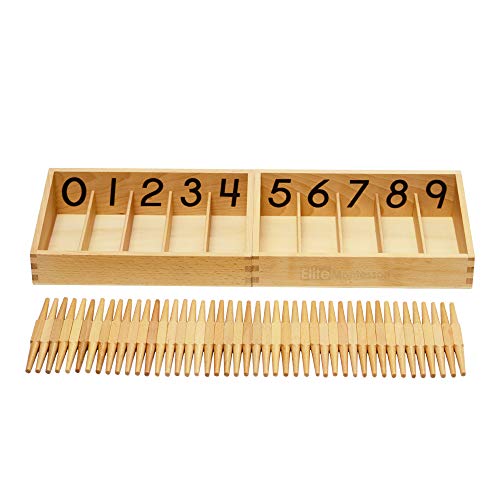

The Schacht Spindle Box is a gold standard for those who treat their spindles like fine instruments. Its rigid construction provides a physical barrier against the crushing forces often encountered in luggage or crowded project bags.
This box is designed specifically to accommodate the varying dimensions of different spindle styles, from lightweight lace spindles to heavier support spindles. The interior layout keeps your tools from clattering against one another, which is vital for preventing nicks on wooden shafts.
If you own a collection of high-end, hand-turned spindles, this is the safest environment for them. While it is bulkier than a fabric roll, the peace of mind it offers during transit is unparalleled.
Jenkins Turkish Spindle Tube: Best Compact Option

Turkish spindles are notoriously difficult to pack because of their detachable arms, which are prone to snapping if put under pressure. The Jenkins tube is a masterclass in minimalist protection, designed specifically for these delicate pieces.
Because it is a rigid cylinder, it prevents the arms from bending or breaking during transit. It fits easily into the side pocket of a backpack, making it perfect for spinners who prioritize portability without sacrificing safety.
The trade-off here is capacity; it is built for one or two spindles, not a whole collection. For the spinner who keeps a "go-bag" for spinning on the fly, this is an essential piece of equipment.
Ashford Hardwood Spindle Case: Best for Travelers

Ashford’s hardwood case brings a level of durability that synthetic materials simply cannot match. It feels solid in the hand and provides a crush-proof shell that is ideal for long-haul flights or road trips.
The beauty of this case lies in its classic design, which holds tools securely in place with foam or felt lining. It is less about fancy compartments and more about providing a sturdy, reliable home for your workhorse spindles.
If you are prone to dropping your project bag, this case is your best insurance policy. It is heavier than other options, but for the serious traveler, the weight is a small price to pay for total protection.
Woolery Custom Spindle Roll: Best Fabric Choice
Sometimes, you want a case that feels as soft as the fiber you are spinning. The Woolery spindle roll is a flexible option that wraps your spindles in protective fabric, preventing them from rubbing against each other.
Fabric rolls are excellent because they adapt to the size of the spindle, rather than forcing the tool to fit a rigid space. They are also much lighter and quieter than hard cases, which is a benefit when you are trying to be discreet in public spaces.
The main downside is that they offer no protection against crushing. Use these only if you are carrying your spindles in a dedicated space within your bag, away from heavy items like water bottles or laptop chargers.
Majacraft Spindle Pouch: Best for Added Storage
Majacraft understands that a spinner needs more than just a place for the spindle; you also need a spot for your fiber, a leader, and perhaps a small pair of snips. This pouch is a hybrid solution that keeps everything organized in one place.
The design is thoughtful, with separate compartments that ensure your spindle isn’t tangled in your fiber stash. It is the perfect choice for a "spinning kit" approach, where you grab one bag and have everything you need for a project.
While it is soft-sided, the internal structure is robust enough for daily commuting. It is the most versatile option for those who like to keep their materials and tools together.
Strauch Fiber Equipment Case: Best Heavy Duty Pick

When you are transporting a larger collection of tools, including drop spindles and perhaps a small nostepinne or two, the Strauch case is the heavy-duty champion. It is built to withstand the rigors of frequent travel and heavy use.
The construction quality is exceptional, featuring durable materials that won’t tear or wear out after a few seasons of fiber festivals. It provides enough room to organize your tools by weight or whorl type, which helps when you are switching between spinning fine lace and bulky art yarns.
This is an investment piece for the dedicated spinner. It is overkill for a single spindle, but if your collection is growing, it is the most professional way to keep your tools organized and secure.
Key Factors for Choosing Your Ideal Spindle Case
When selecting a case, start by evaluating your travel habits. Are you tossing your bag into an overhead bin, or are you carrying it gently in a tote?
- Rigidity: Do you need a hard shell to prevent crushing?
- Capacity: How many spindles do you realistically need to travel with?
- Accessibility: Do you need to grab your spindle quickly, or is it for long-term storage?
- Weight: Will the case add too much bulk to your existing luggage?
Remember that a spindle is a precision tool. Even a minor bend in the shaft or a chip in the whorl can ruin its balance and make your spinning experience frustrating.
Hard Shell vs Soft Pouch: Which Protects Better?
Hard shells are superior for impact protection. If you are checking a bag or using public transit where your bag might be squeezed, a hard case is non-negotiable.
Soft pouches, however, are better for preventing surface scratches and are generally more space-efficient. They are ideal for "carry-on" situations where you have full control over the bag’s placement.
Think of it as the difference between a hard-sided suitcase and a duffel bag. Choose the hard shell for high-risk environments and the soft pouch for low-risk, everyday carry.
How to Properly Store Spindles During Air Travel
Always keep your spindles in your carry-on luggage. Checked baggage is subject to extreme temperature changes and rough handling that can warp wooden tools or snap delicate whorls.
When packing, ensure your spindles are not touching each other. Use a cloth wrap or individual slots to prevent the metal hooks from scratching the wooden shafts.
If you are bringing multiple spindles, place them in the center of your bag, cushioned by soft layers of fiber or clothing. This creates a "shock absorber" effect that protects them from external bumps.
Essential Tips for Maintaining Your Spindle Tools
Regular maintenance is just as important as safe storage. After a trip, inspect your spindles for any signs of wear, such as loose hooks or dry, splintering wood.
- Conditioning: Use a light wood wax or oil periodically to keep the wood from drying out in airplane cabins.
- Hook Check: Ensure the hook is tight; a loose hook will cause the spindle to wobble and ruin your twist.
- Balance Test: Spin your spindle on a flat surface occasionally to ensure it is still tracking true.
Treating your tools with care will extend their life significantly. A well-maintained spindle is a joy to spin with, regardless of where you are in the world.
Investing in a quality spindle case is the hallmark of a serious fiber artist who values their craft. By choosing the right level of protection, you ensure that your tools remain balanced and beautiful for years to come. Whether you opt for a rugged hard case or a soft, portable roll, your spindles will thank you. Happy spinning, no matter where your travels take you!