6 Best Infrared Thermometers For Monitoring Dye Bath Temperatures
Ensure precise color consistency with our top 6 infrared thermometers. Discover reliable tools designed to monitor dye bath temperatures with expert accuracy.
Achieving consistent color saturation in hand-dyed yarn requires more than just a good recipe; it demands precise control over your heat source. When you’re working with delicate fibers like silk or high-twist merino, even a five-degree temperature spike can lead to uneven exhaustion of the dye. Infrared thermometers take the guesswork out of the process, ensuring your dye bath stays exactly where you need it. Here are the best tools to help you master the art of color.
Etekcity Lasergrip 774: Best Overall Choice


If you are just starting your journey into hand-dyeing, the Etekcity Lasergrip 774 is the gold standard for simplicity and reliability. It offers a straightforward interface that doesn’t overwhelm you with unnecessary settings while you are juggling wet fiber and dye stock.
The ergonomic handle feels secure in the hand, which is vital when you are leaning over a steaming pot. It provides a quick, accurate reading that helps you maintain a steady simmer without constantly submerging a traditional probe thermometer.
For the price, it is hard to beat the value here. It is a workhorse tool that gets the job done for most small-batch dyeing projects, making it a staple for any home studio.
Fluke 62 MAX Plus Infrared Thermometer

When you move into professional-grade dyeing, the Fluke 62 MAX Plus is the tool you want in your kit. This device is built to handle the rugged, often humid environment of a dedicated dye studio where equipment takes a beating.
The standout feature is its extreme accuracy and fast response time. When you are working with large vats of wool—where temperature gradients can occur—the ability to get a rapid, precise reading from a distance is invaluable.
It is definitely an investment, but for those dyeing high-end fibers like cashmere or alpaca, the peace of mind is worth the cost. You aren’t just buying a thermometer; you are buying insurance against ruined batches.
Klein Tools IR1 Dual Laser Thermometer
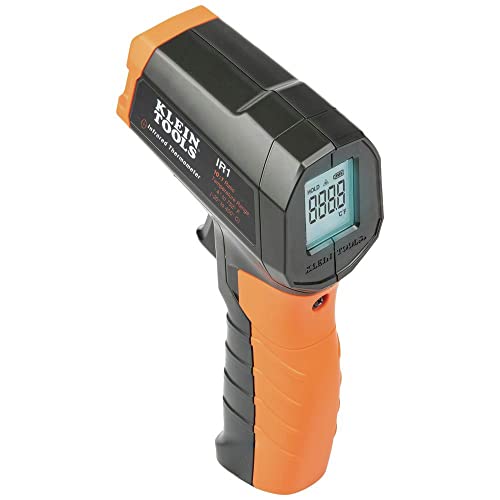
The Klein Tools IR1 shines because of its dual laser targeting system. If you have ever struggled to know exactly which part of the dye pot you are measuring, these lasers provide a clear visual guide for the measurement area.
This precision helps when you are monitoring a large stockpot where the edges might be cooler than the center. By hitting the target exactly, you avoid the "false readings" that come from measuring the side of the pot rather than the liquid itself.
It is a mid-range choice that feels sturdy and professional. For the knitter who appreciates precision in their gauge swatches, this tool offers that same level of exactitude for your dye practice.

Helect Non-Contact Infrared Thermometer
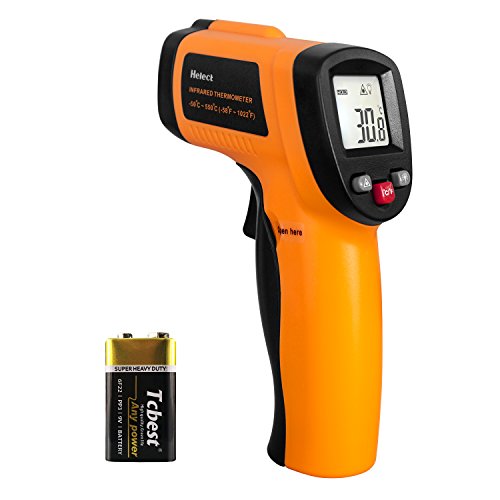
The Helect is a fantastic, budget-friendly option for those who want to dip their toes into dyeing without a huge upfront investment. It is lightweight, compact, and incredibly easy to use right out of the box.
While it lacks some of the bells and whistles of the higher-end models, it provides consistent results for standard acid-dyeing processes. It is perfectly adequate for someone dyeing a few skeins of superwash wool for a weekend project.
Just keep in mind that it can be slightly less precise with reflective surfaces. If you are using a shiny stainless steel pot, be sure to aim for the surface of the liquid rather than the metal rim.
Nubee NUB8380 Temperature Gun Tool
The Nubee NUB8380 is a solid, no-nonsense tool that is popular among hobbyists for its intuitive design. It features a bright backlit display that makes it easy to read even in the dim lighting of a basement or garage studio.
Its temperature range is broad enough for any fiber dyeing application, from low-heat silk painting to high-heat wool exhaustion. It handles the steam of a dye bath well, provided you keep the lens clean and free of condensation.
It is a reliable middle-ground tool. If you are looking for something that is easy to store with your knitting needles and scale, this fits perfectly into a standard craft supply drawer.
EnnoLogic Dual Laser IR Thermometer

The EnnoLogic stands out for its versatility and high-end feature set. It allows you to adjust the emissivity settings, which is a game-changer if you are switching between different types of dye pots, like enamel, stainless steel, or aluminum.
The dual laser system is sharp and reliable, ensuring you are measuring the liquid and not the pot handle. It is a sophisticated piece of gear for the serious dyer who wants to troubleshoot every variable in their process.
If you are someone who keeps detailed notes on your dye recipes, this tool provides the data consistency you crave. It is a professional-grade instrument that respects the complexity of the dyeing craft.
Why Precise Dye Bath Temperature Matters
In the world of knitting, we know that gauge is everything; in dyeing, temperature is everything. When you are working with acid dyes, the temperature determines how quickly and evenly the dye molecules bond to the protein fibers.
If the bath is too cool, the dye won’t exhaust, leaving your water muddy and your yarn patchy. If it boils too aggressively, you risk "felting" or damaging the fibers, which ruins the drape and softness of your final sweater.
Think of your thermometer as a tension gauge for your dye pot. Just as you wouldn’t knit a lace shawl without checking your stitch count, you shouldn’t dye a batch of yarn without monitoring the heat.
Understanding Emissivity in Dyeing Tools
Emissivity is the measure of an object’s ability to emit infrared energy, and it is the most common reason for "bad" readings. Most infrared thermometers are calibrated for a standard emissivity of 0.95, which works well for most liquids.
However, shiny metal pots can reflect ambient heat, giving you a reading of the room instead of the dye bath. To get the best results, aim your laser directly into the liquid, away from the reflective sides of the pot.
If you are struggling with inconsistent readings, try to measure from a consistent distance and angle. Mastering this simple technique will make your temperature data much more reliable over time.
How to Calibrate Your Infrared Device
While you cannot "calibrate" most consumer infrared thermometers in the traditional sense, you can verify their accuracy. A simple "ice water test" is the best way to ensure your tool is performing correctly.
Fill a glass with crushed ice and water, wait a few minutes, and then measure the surface of the water. It should read very close to 32°F (0°C). If it is off by more than a few degrees, you know to adjust your expectations accordingly.
Do this test occasionally, especially if you have dropped the device or if it has been sitting in a cold garage. It is a quick habit that saves you from potential dyeing disasters.
Safety Tips for Handling Hot Dye Baths
Dyeing is a messy, hot business, and safety must always come first. Always wear eye protection and gloves, as hot dye splashes can cause burns or stain your skin permanently.
Keep your thermometer clean by wiping the lens with a soft, dry cloth after every use. Never leave your thermometer sitting on the edge of a hot pot, as the plastic housing can melt or warp from the rising steam.
Finally, ensure your workspace is well-ventilated, especially when working with acid dyes. Treat your dye station with the same respect you treat your favorite circular needles—keep it organized, clean, and safe for your next project.
Finding the right infrared thermometer is a small but vital step toward achieving professional results in your home dye studio. Whether you choose the reliable Etekcity or the precision-focused EnnoLogic, the goal is always consistent, beautiful color. With a little practice and careful temperature monitoring, you will be well on your way to creating hand-dyed yarns that are as stunning as the projects you knit with them. Happy dyeing, and may your colors always strike exactly as you intended.