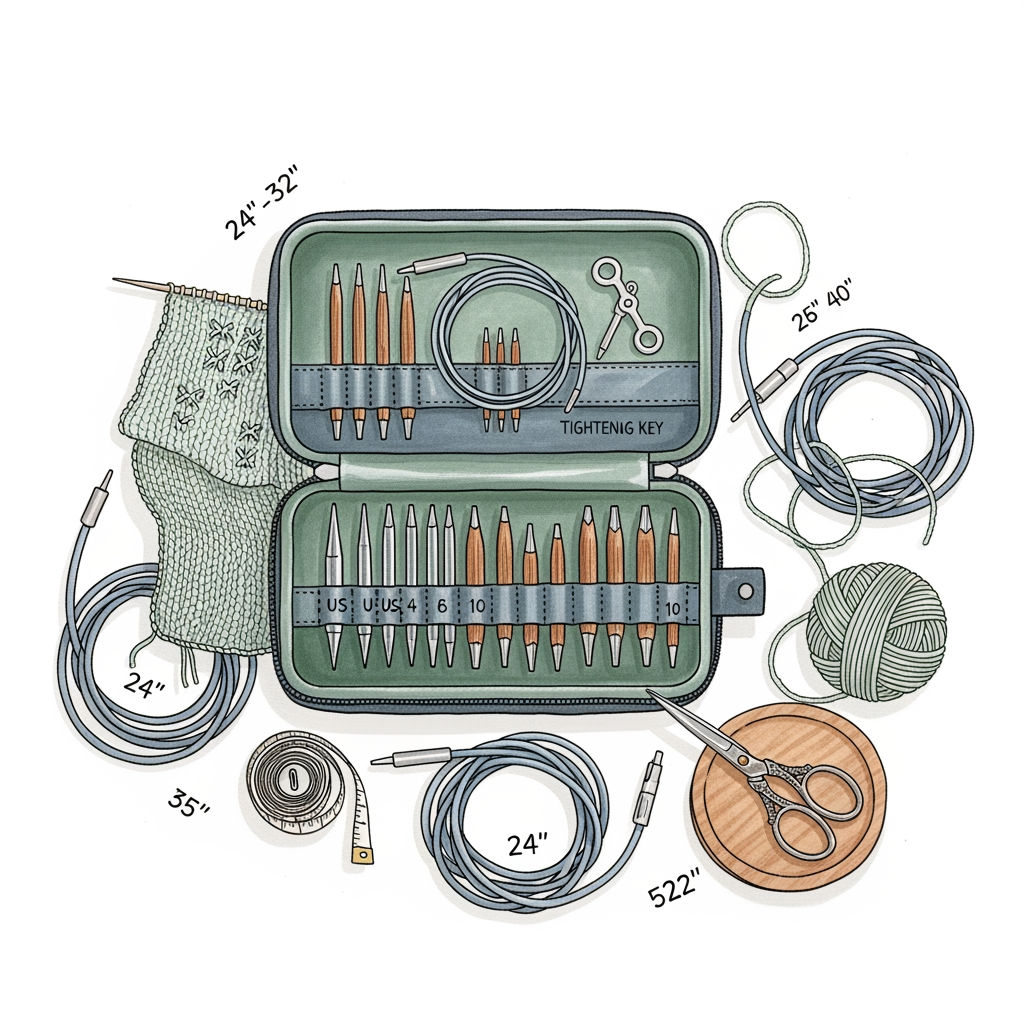
6 Best Cable Keys For Interchangeable Systems
Discover the 6 best cable keys for interchangeable knitting systems. Learn how these essential tools ensure secure joins and prevent projects from unraveling.
Every knitter knows the frustration of a needle tip unscrewing mid-row, turning a meditative session into a frantic search for lost stitches. Interchangeable systems rely on a secure mechanical connection, and the humble cable key is the unsung hero that prevents these mid-project disasters. Mastering the use of these small tools ensures your yarn glides seamlessly over the join without snagging. This guide explores the best tightening tools on the market to keep your gear secure and your knitting stress-free.
ChiaoGoo Stainless Steel Cable Tightening Key


ChiaoGoo keys are essentially the gold standard for durability. Because they are made from high-quality stainless steel, they resist bending even when you apply significant torque to tighten your cables.
These keys feature a small, perfectly sized hole that fits snugly into the tightening slot of the ChiaoGoo cable connector. They are incredibly thin, which is a major advantage when working with the brand’s smaller needle sizes, like 2.0mm or 2.25mm.
The biggest tradeoff here is their size; they are so small they are notoriously easy to lose. I always recommend keeping a few spares tucked inside your project bag or attached to a stitch marker ring.
HiyaHiya Interchangeable Needle Gripping Key
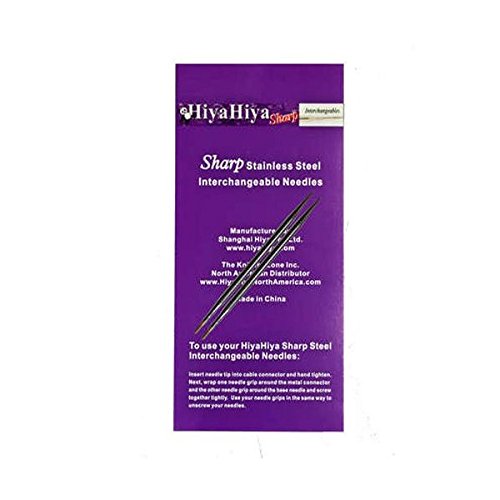
The HiyaHiya key is designed with a distinct "T-shape" that provides a bit more leverage than a simple wire loop. This ergonomic design makes it easier to hold if you have arthritis or struggle with fine motor tasks.
If you are working with the HiyaHiya Sharp tips, the extra security provided by this key is essential. Because those tips are so precise, any slight looseness at the join can cause the yarn to catch, potentially splitting delicate plies.
One thing to note is that these are specific to the HiyaHiya system’s threading. While they are robust, they don’t always translate well to other brands, so keep your tools organized by system.
Knitter’s Pride Stainless Steel Cable Key

Knitter’s Pride provides a reliable, no-nonsense tool that gets the job done without any fuss. These keys are sturdy and have just enough "spring" to let you know when the connection is fully seated.
I find these particularly useful when switching between different needle materials, such as moving from smooth brass to grippy laminated birch. The key ensures that no matter the drag of the needle material, the cable stays firmly locked in place.
Be careful not to over-tighten, as the steel is strong enough to potentially strip the threads if you use excessive force. A firm, steady turn is all that is required for a secure hold.
Lykke Interchangeable Needle Tightening Key
Lykke keys are often overlooked, but they are perfectly calibrated for the brand’s unique wooden and metal interchangeable sets. They are designed to be used in tandem with the rubber-like grip pads that often come with Lykke sets.

The key provides the mechanical leverage, while the grip pad provides the friction needed to hold the needle tip steady. This two-pronged approach is excellent for knitters who find the small keys difficult to manipulate on their own.
If you are working with slippery, high-twist yarns like silk or mercerized cotton, this combination is a lifesaver. It ensures that the transition from cable to needle remains flush, preventing your yarn from catching on the join.
Addi Click Interchangeable System Metal Key
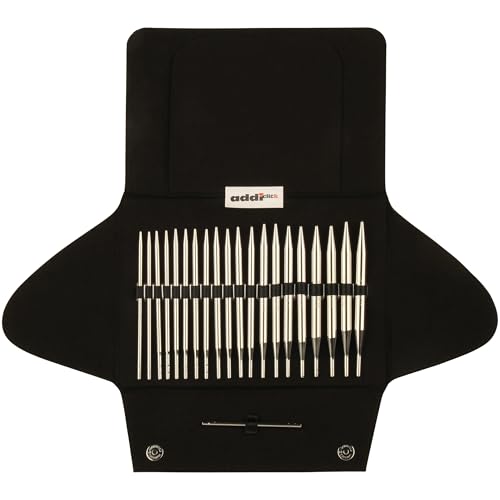
The Addi Click system is unique because it uses a push-and-twist mechanism rather than the standard screw-in thread. Consequently, the "key" for this system is actually a small metal pin used to release the locking spring.
You don’t need a key to tighten an Addi Click needle—you simply push and twist until you hear the click. The metal tool is only required when you want to release the connection, which is a brilliant design for those who struggle with hand fatigue.
This is the ultimate system for knitters who want to avoid the "did I tighten it enough?" anxiety. Just remember that the tool is essentially a release lever, not a tightening device.
Denise Interchangeable Needle Locking Key

Denise needles utilize a unique plastic-on-plastic connection that is quite different from the metal-on-metal threading of other brands. Their locking system is intuitive and requires a simple quarter-turn to secure the join.
Because the system is made of high-quality resin, you don’t need a heavy-duty metal key. The tool provided by Denise is designed to help you get a better grip on the plastic components, especially if your hands are damp or slippery.
This system is fantastic for beginners who might be intimidated by the technicality of screw-in metal needles. It is reliable, lightweight, and very difficult to accidentally unscrew while knitting.
Why You Need a Cable Key for Interchangeables
A cable key is not an optional accessory; it is a critical component of the interchangeable knitting experience. Without it, you are relying solely on finger strength, which is rarely enough to prevent the vibration of knitting from slowly unscrewing the joint.
When a join loosens, the space between the needle and the cable creates a tiny "step." This step will snag your yarn, causing uneven tension, pulled stitches, and in worst-case scenarios, a dropped stitch that disappears into the join.
Using a key ensures that the needle and cable become a single, seamless unit. This allows your stitches to transition smoothly, which is vital for maintaining consistent gauge across long rows or large circular projects.
Troubleshooting Loose Needle and Cable Joints
If you find your needles constantly unscrewing, the first step is to check the threads for debris. Small bits of fiber, dust, or even a tiny speck of lanolin from raw wool can prevent a tight seal.
If the threads are clean and it still loosens, you may be a "twister." Some knitters have a natural habit of rotating the needle tip as they work, which can inadvertently unscrew the connection over time.
In this case, check your connection every few rows. If you are using a metal-on-metal system, a tiny dab of beeswax on the threads can also act as a mild "thread locker" to keep everything snug.
Best Practices for Tightening Your Connections
Always use the key in conjunction with a rubber gripper or a piece of shelf liner. The key provides the torque, but the gripper allows you to hold the needle tip firmly without damaging the finish or hurting your fingers.
Insert the key into the hole on the cable, then hold the needle tip with your non-dominant hand using the gripper. Rotate the needle—not the key—to tighten it firmly against the cable.
Avoid using pliers or other metal tools to tighten your needles, as this can easily scratch the finish or permanently damage the threading. Gentle, consistent pressure is always superior to brute force.
How to Store Small Knitting Tools Safely
Because cable keys are small and easily misplaced, I recommend designating a specific "home" for them. A small magnetic tin or a zippered notions pouch kept inside your main knitting bag is ideal.
Some knitters attach their keys to a split ring and clip them directly onto their interchangeable needle case. This ensures that whenever you have your needles out, your tools are right there with them.
Never leave your keys loose in a project bag where they can slip into the lining or fall out unnoticed. A little organization goes a long way in preventing the "where did I put my key?" panic during a late-night knitting session.
Investing in the right cable key and developing a consistent tightening routine will transform your knitting experience. By ensuring your joins are secure, you eliminate one of the most common sources of frustration in the craft. Remember that a smooth transition between your cable and needle is the key to even, professional-looking fabric. Keep your tools organized, tighten with care, and enjoy the seamless flow of your next project.