6 Best Fiber Wash Soaps For Wool Longevity
Preserve your woolens with our top six fiber wash picks. Discover gentle, effective cleansers that maintain fabric integrity and extend garment longevity.
Investing dozens of hours into a hand-knit sweater means you need to treat the finished fabric with the same care you gave the stitches. Using the wrong soap can strip natural oils, felt delicate fibers, or leave behind residue that attracts moths. The right wash not only cleans your project but actively conditions the yarn to maintain its loft and drape for decades. These six specialized products are the gold standard for preserving your hard work.
Eucalan Delicate Wash: Best No-Rinse Formula
Eucalan is a staple in my knitting bag because it eliminates the need for a secondary rinse, which is a major benefit for delicate lace shawls. When you are blocking a complex project, moving it from a wash basin to a rinse basin increases the risk of snagging or stretching the wet fabric.
The formula contains lanolin, a natural byproduct of wool that helps replenish the fiber’s protective coating. This is particularly useful for wool that has been processed or stripped of its natural luster. By skipping the rinse, you leave a microscopic amount of lanolin behind, which keeps the wool soft and helps repel dust and moths.
Keep in mind that while the "no-rinse" feature is a time-saver, you must ensure you don’t use too much product. If the water remains sudsy, you have likely over-poured. A little goes a long way, and your goal is simply to freshen the garment, not to create a bubble bath.
Soak Wash: Best Scent Options for Fine Wool
Soak is the go-to choice for knitters who want their heirloom pieces to smell as beautiful as they look. It is a gentle, plant-based wash that works exceptionally well on fine fibers like alpaca, cashmere, and merino.
The variety of scents is the standout feature here, ranging from citrusy Yuzu to the subtle, clean notes of Celebration. If you are sensitive to fragrance, they also offer a Scentless version that performs identically. It is a favorite for blocking because it is very low-sudsing, meaning you spend less time trying to clear bubbles from your lace points.
The tradeoff is that it lacks the lanolin boost found in some other wool washes. If your yarn feels dry or "thirsty" after a long winter of wear, you might prefer a formula with added conditioning agents. However, for regular maintenance of your favorite cardigans, it is hard to beat.
Kookaburra Wool Wash: Best for Gentle Cleaning


Kookaburra uses a unique blend of tea tree oil and lavender to clean fibers without harsh chemicals. It is specifically formulated to be gentle on the natural scales of wool fibers, which can be damaged by aggressive agitation or high-pH detergents.
This wash is excellent for those who are prone to skin sensitivities or for items that will be worn against the neck, like cowls or scarves. The tea tree oil provides a natural, mild antimicrobial property that keeps your knits smelling fresh without the need for synthetic perfumes.
Because it is so gentle, it is my top recommendation for vintage wools or thrifted finds that need a deep clean without the risk of stripping the fiber. It doesn’t strip the natural lanolin, but it does an incredible job of lifting dirt and perspiration. It is a reliable, no-nonsense choice for the everyday knitter.
The Laundress Wool & Cashmere: Best for Luxury
If you have invested in high-end, hand-dyed cashmere or luxury blends, The Laundress offers a sophisticated wash that treats yarn like fine silk. It is designed to preserve the integrity of expensive fibers, preventing the pilling and matting that often plague luxury sweaters.
The scent is clean and professional, lacking the "crafty" smell of some specialized wool soaps. It is particularly effective at maintaining the "hand" or tactile feel of luxury yarns. When you spend $30 or more on a single skein of cashmere, you want a product that feels like it matches the quality of your materials.
The downside is the price point; it is significantly more expensive than other options on this list. Use this for your "special occasion" knits rather than your everyday wool socks. It is an investment in the longevity of your most prized handmade garments.
Orvus Paste: Best Heavy-Duty Fiber Cleanser
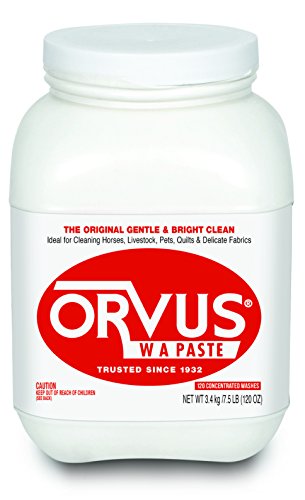
Orvus Paste is a legendary product in the fiber arts world, often used by spinners and weavers to scour raw fleece. It is incredibly concentrated and highly effective at removing stubborn grease, dirt, and heavy oils from wool.
If you have an heirloom quilt or a heavy wool blanket that hasn’t been cleaned in years, this is the product you want. It is not designed for daily maintenance, but rather for those "reset" moments when a piece needs a serious cleaning. Because it is so potent, you only need a tiny amount—about the size of a pea—for a full basin of water.
Be careful with this one. Because it is a heavy-duty cleaner, it can strip away too much natural oil if used too frequently. Always follow up with a light conditioning treatment if you are washing a delicate garment.
Unicorn Fiber Wash: Best for Raw Wool Fleeces
Unicorn Fiber Wash is the professional choice for those who process their own wool from the sheep to the sweater. It is designed to handle the heavy-duty task of cleaning raw fleeces while remaining safe for the finished knits.
The pH-neutral formula ensures that the wool scales don’t open up and lock together, which is the primary cause of felting. It is incredibly efficient at breaking down the lanolin and suint (the sweat salts found in raw wool) that can make cleaning home-processed yarn difficult.
If you are a spinner or a dyer, this should be in your studio. It is reliable, consistent, and formulated by people who understand the chemistry of wool. For the average knitter, it might be overkill, but for those who value the process of fiber preparation, it is indispensable.
Why pH-Neutral Soaps Matter for Wool Fibers
Wool is composed of protein scales, much like human hair. When you use a soap that is too alkaline, those scales lift up and interlock, which is the mechanical process of felting. Once a knit item felts, there is no way to reverse the process; the fabric becomes stiff, dense, and loses its drape.
- pH-Neutral: Keeps the scales flat and smooth.
- Alkaline: Causes the scales to expand, leading to shrinkage and felting.
- Acidic: Can weaken the fiber structure over time.
By choosing a pH-neutral wash, you are essentially keeping your wool in its "relaxed" state. This preserves the elasticity of the yarn, which is vital for ribbing, cuffs, and necklines that need to snap back after being stretched.
The Dangers of Using Standard Laundry Detergent
Never, under any circumstances, use standard laundry detergent on your hand-knit wools. Most commercial detergents contain enzymes designed to break down protein-based stains, such as food or blood. Since wool is a protein, these enzymes will literally begin to digest your sweater.
Standard detergents are also formulated to be highly alkaline to tackle tough stains on cotton and synthetics. This alkalinity is the enemy of wool, as it strips the natural oils and leads to the felting mentioned above. Even "gentle" detergents for cotton often contain optical brighteners that can alter the color of hand-dyed yarns.
Stick to products specifically labeled for wool or delicate animal fibers. If you are in a pinch, a tiny drop of baby shampoo is a safer alternative than a commercial laundry detergent, though it isn’t a long-term solution.

Proper Soaking Techniques for Heirloom Knits
The way you soak your knits is just as important as the soap you choose. Never pour the soap directly onto the dry fabric, as this can cause spotting or uneven saturation. Instead, fill your basin with lukewarm water, add the soap, and whisk it with your hand until the water is bubbly.
Submerge your item gently, pushing it down into the water until it is fully saturated. Let it soak for at least 15 to 20 minutes; this allows the fiber to absorb the water and the soap to lift the dirt. Avoid scrubbing or twisting the fabric, as this mechanical agitation is what causes felting.
If your item is heavily soiled, you can gently squeeze the soapy water through the fabric, but never wring it out. When you are ready to remove it, lift the entire garment out of the basin, supporting its weight so it doesn’t stretch under the pressure of the water.
How to Properly Dry Your Wool After Washing
Drying is the final, most critical stage of the process. Never hang a wet wool sweater on a hanger, as the weight of the water will stretch the shoulders and ruin the fit. Instead, lay your item flat on a clean, dry towel.
Roll the towel up like a sleeping bag with the sweater inside, and press down firmly to remove the excess moisture. Once the towel has absorbed the bulk of the water, transfer the garment to a fresh, dry towel or a mesh blocking mat. Reshape the piece to your desired measurements and let it air dry away from direct heat or sunlight.
Patience is your best tool here. Depending on the fiber content and the thickness of the knit, it may take 24 to 48 hours for a sweater to dry completely. Do not be tempted to put it in the dryer unless the yarn label specifically states that it is a machine-washable superwash wool.
Taking care of your hand-knit items is an extension of the creative process itself. By choosing the right fiber wash and employing gentle soaking and drying techniques, you ensure your garments remain soft, vibrant, and structurally sound for years. Treat your wool with the respect it deserves, and it will continue to provide warmth and comfort for a lifetime. Happy knitting, and may your blocking always be perfectly shaped.