6 Best Dry Erase Markers For Knitting Charts Tested
Struggling to track knitting charts? We tested six dry erase markers to find the best smudge-proof options for your patterns. See our top picks for knitters.
Tracking your progress on a complex lace chart or a stranded colorwork motif is the secret to avoiding those dreaded "frogging" sessions. Whether you are working on a simple hat or an intricate heirloom shawl, the right marking tool can save your project from costly counting errors. After years of guiding knitters through complex patterns, I have found that the pen you choose is just as important as your needle choice. Here are the best tools to keep your place and preserve your sanity while you knit.
Expo Vis-à-Vis Wet Erase: The Knitting Gold Standard


When it comes to marking laminated charts, the Expo Vis-à-Vis is the undisputed champion of the knitting world. Unlike standard dry erase markers, these are "wet erase," meaning they won’t smudge the moment your hand brushes across the paper.
For those long sessions working on a complex Fair Isle sweater, you need a marker that stays put. Because these require a damp cloth to remove, you can rest your wrist on the chart for hours without accidentally erasing your progress.
The ink is vibrant and fine enough for even the most dense, tiny-print charts. If you are working on a multi-page pattern, these markers provide the reliability you need to keep your focus on the tension of your stitches rather than your place in the row.
Staedtler Lumocolor Correctable: Best Fine Tip

If you are working on a chart with exceptionally small symbols, the Staedtler Lumocolor Correctable is your best friend. Its precision tip allows for pinpoint accuracy, which is essential when you are navigating a 2.0mm gauge lace pattern.
These markers offer a unique "correctable" feature that allows you to erase small mistakes with an integrated end-cap eraser. This is a game-changer for those moments when you miscount a knit-two-together and need to adjust your mark without wiping away the entire row.
The ink dries quickly, preventing the dreaded "smear factor" that often happens when you are knitting with sticky, high-twist wool yarns. While they are a bit pricier, the longevity of the tip makes them a worthwhile investment for the dedicated lace knitter.
Pilot Frixion Pens: Best for Paper Chart Marking
The Pilot Frixion line has become a staple in knitting bags everywhere, and for good reason. They use thermo-sensitive ink, meaning you can erase your marks by applying heat, which is incredibly satisfying for those who prefer working on printed paper rather than plastic sleeves.
These pens are perfect for knitters who like to annotate their patterns with notes about needle sizes or yarn substitutions. Since the ink disappears with friction or heat, you can clear your chart once the project is finished and reuse the pattern for your next colorway.
Be cautious, however, if you live in a very hot climate or leave your project in a warm car. The ink can turn invisible if exposed to extreme heat, though it usually reappears if placed in the freezer for a few minutes.
Sharpie Fine Point: Best for Laminated Patterns

Sometimes, you need a mark that is bold, permanent, and absolutely impossible to smudge. The Sharpie Fine Point is the go-to choice for knitters who laminate their charts and want a mark that will survive being tossed into a project bag alongside sharp needle points and rough wool fibers.
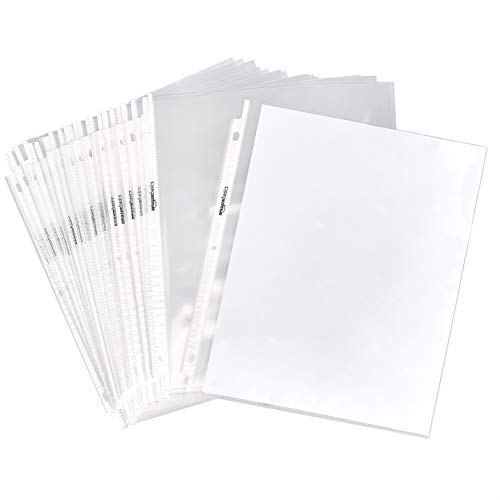
Because these are permanent, you should only use them on laminated sheets or plastic page protectors. They are ideal for marking "repeat" boundaries that you don’t intend to change throughout the entire duration of the project.
If you find yourself frequently losing your place in a long, repetitive cable pattern, a bold Sharpie line is a visual anchor. Just remember that you will need rubbing alcohol or a specialized cleaner to remove these marks when you are ready to start your next project.
Crayola Dry Erase: Best Budget-Friendly Option

If you are a beginner knitter who is just starting to experiment with charts, you don’t need to break the bank. Crayola Dry Erase markers are surprisingly effective, offering a bold line and an easy-to-wipe surface that works well for casual use.
These are excellent for knitters working on larger, simpler charts where extreme precision isn’t the primary concern. They are non-toxic and have a lower odor profile than many professional-grade markers, which is a plus if you knit in a small, enclosed space.
While they may smudge more easily than the Vis-à-Vis, they are perfectly adequate for standard practice. They are a great, low-risk way to get comfortable with the habit of marking your rows before moving on to more expensive, specialized tools.
U Brands Low Odor Markers: Best for Large Charts

For those massive, multi-page charts that require a broad view of the entire pattern, U Brands Low Odor Markers are a solid, reliable choice. They offer a smooth flow that makes marking large sections of a pattern feel effortless and quick.
The low-odor formula is a major benefit for knitters who spend hours at a time with their project. If you are sensitive to the chemical smells common in many markers, these provide a much more comfortable experience during long knitting marathons.
They work best on larger laminated charts where you are marking off entire blocks of stitches. Their wider tip is less suited for tiny, detailed lace, but for standard charts, they provide the coverage and visibility you need to stay on track.
Why Wet Erase Markers Beat Dry Erase for Knitting
The fundamental difference between wet and dry erase markers comes down to the binder in the ink. Dry erase markers are designed to be wiped away with a dry cloth, which is exactly why they are prone to smudging when your hand accidentally grazes the chart.
When you are knitting, your hands are constantly moving, often resting on the pattern as you count stitches. Wet erase markers contain a binder that requires moisture to dissolve, meaning they stay locked onto the surface until you specifically decide to remove them.
For a knitter, this reliability is non-negotiable. Using a dry erase marker on a chart you have spent weeks working on is a recipe for frustration when your sleeve wipes away your progress.
How to Properly Laminate Your Printed Chart Sheets
Laminating your charts is the single best way to protect your hard work from the wear and tear of a long-term project. I recommend using a standard home laminator with 3-mil pouches, as this provides a sturdy, non-glare surface that is easy to write on.
If you don’t have a laminator, clear heavy-duty page protectors are a fantastic, flexible alternative. They allow you to swap out pages quickly and can be stored in a binder, which is ideal if you are working on a multi-part project like a large blanket.
Always ensure your printed pages are completely dry before laminating to avoid trapping moisture. A well-laminated sheet will last for years, allowing you to knit the same pattern multiple times without the paper degrading or tearing.
Essential Tips for Keeping Your Charts Smudge-Free
The best way to keep your charts clean is to create a "no-touch" zone by using a magnetic board or a chart keeper. These tools hold your pattern upright, reducing the amount of contact your hands have with the ink.
If you must lay your chart flat, try to develop the habit of resting your hand on a scrap piece of paper placed over the area you’ve already completed. This acts as a physical barrier between your skin and the ink.
Finally, always let your ink dry for a few seconds before moving on to the next row. Even the best wet erase markers need a brief moment to set, especially if you are working on a particularly slick laminating film.
Troubleshooting Ink Stains on Your Finished Knits
If you accidentally get a mark on your finished knit, don’t panic. For natural fibers like wool, a gentle dab of rubbing alcohol on a cotton swab can often lift the stain, but always test on a swatch first to ensure it doesn’t affect the dye.
If the stain is on a superwash wool or a synthetic blend, a mild dish soap solution often works wonders. The key is to be gentle and not rub the fibers, which could cause unwanted felting or distortion.
Prevention is always easier than the cure, so keep your markers capped and your project stored away from your desk. With the right tools and a little bit of care, your charts will remain as pristine as your finished stitches.
Choosing the right marker is a small detail that pays huge dividends in your knitting efficiency and enjoyment. Whether you prefer the precision of a fine-tip Staedtler or the reliability of a wet-erase Expo, finding your favorite tool will transform your chart-reading process. Take the time to experiment with these options to see which one fits your unique knitting style and project needs. Happy knitting, and may your rows always stay perfectly on track.