6 Best Suede Elbow Patches For Vintage Sweaters
Restore your vintage sweaters with our top 6 suede elbow patches. Discover durable, stylish options that provide essential reinforcement and a classic look.
Vintage sweaters often suffer from thinning elbows long before the rest of the garment loses its charm. Adding suede patches is a practical way to extend the life of your favorite knit while adding a touch of classic academic flair. Choosing the right patch requires balancing the weight of your yarn with the durability of the leather. This guide will help you navigate the best options to ensure your repair looks intentional rather than like an afterthought.
Leatherology Suede Patches: The Premium Choice


Leatherology stands out for those who view a sweater repair as an investment rather than a quick fix. These patches offer a supple, high-quality finish that ages beautifully alongside natural fibers like wool or cashmere.
Because these patches are genuine leather, they have a substantial hand that provides excellent reinforcement for high-wear areas. They don’t feel stiff or plastic-like, which is crucial when you want to maintain the drape of a soft sweater.
The trade-off here is the thickness; you will need a sturdy sewing needle and a thimble to get through the pre-punched holes. If you are working on a delicate, fine-gauge silk or thin merino knit, ensure your stitches are spaced evenly to distribute the tension.
Dritz Iron-On Suede Patches: Best for Beginners
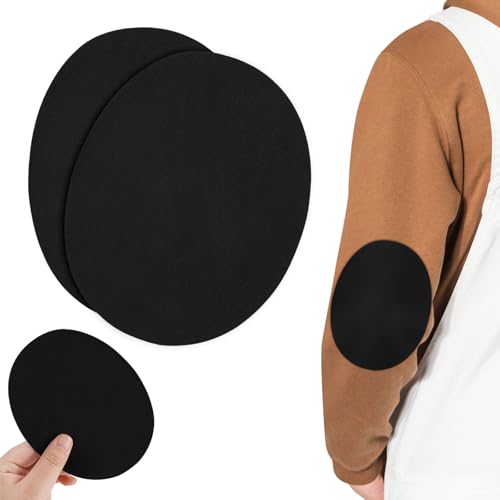
If the thought of picking up a needle and thread makes you nervous, Dritz iron-on patches are your entry point. They provide an immediate fix for a thinning elbow without requiring any advanced sewing skills.
These are ideal for someone who just finished their first sweater and isn’t ready to commit to permanent modifications. You simply position the patch, cover it with a pressing cloth, and apply heat to bond the adhesive backing to the wool.
However, be warned: the adhesive can stiffen the fabric underneath, potentially changing how the sleeve moves. I recommend these primarily for synthetic blends or sturdy, tight-gauge wools that can handle the heat of an iron without scorching.
Singer Sew-On Suede Patches: Most Durable Pick

Singer patches are the workhorse of the repair world, designed with a focus on longevity. They feature pre-punched holes that make the sewing process significantly easier, even for those who aren’t master tailors.
These are perfect for heavy-weight, rustic wool sweaters that see daily wear in cold weather. Because they are designed to be sewn on, they won’t lose their grip after a few trips through the wash like some adhesive alternatives.
The texture is slightly more utilitarian than premium options, but it holds up exceptionally well to friction. If you’re repairing a sweater you plan to wear while working in the garden or walking the dog, this is your best bet.
Clover Patching Kit: Best for Precision Work

Clover is a brand that understands the importance of ergonomics and detail. Their patching kits often include specialized templates that help you center the patch perfectly on the elbow, which is harder than it looks once the sleeve is flat.
Precision is key because a crooked patch will pull against the grain of your knitting, leading to puckering or distorted stitches. By using the Clover system, you ensure the patch sits exactly where the joint bends, maximizing comfort.
This kit is a favorite for those who take pride in the "invisible" side of fiber arts. It turns a repair project into a structured task, reducing the likelihood of a messy, lopsided finish.
Prym Real Suede Patches: Best Texture Quality

Prym patches are known for their authentic, buttery feel that mimics the look of high-end vintage knitwear. If you are restoring a piece with sentimental value, the quality of the material matters as much as the function.
The suede is soft enough to mold slightly to the elbow, preventing the "stiff board" sensation that plagues cheaper synthetic patches. This flexibility is vital if you want to maintain the natural elasticity of your knitted sleeve.
Because they are real leather, they do require careful handling during the wash. Always check if your sweater can handle the moisture, as real suede can sometimes bleed or lose texture if soaked excessively.
Simplicity Faux Suede Patches: Best Budget Buy

Simplicity offers a synthetic alternative that is surprisingly convincing and very easy to manage. These are ideal for those who want the look of suede without the maintenance concerns associated with animal products.
They are generally thinner and more lightweight than real leather, making them a great choice for lighter-weight sweaters or cotton knits. You won’t have to worry about the patch being heavier than the yarn it’s attached to, which prevents the sleeve from sagging.
While they lack the long-term patina of real suede, they are inexpensive and easy to replace if they eventually wear down. For a quick, stylish update to a thrifted find, these are hard to beat.
How to Choose the Right Patch for Your Sweater
Selecting the right patch is about matching the "heaviness" of the patch to the fiber of the sweater. A thick, heavy leather patch will weigh down a delicate lace-weight mohair, while a flimsy synthetic patch will look out of place on a heavy-gauge fisherman’s rib sweater.
- Weight: Match the patch weight to the yarn weight (e.g., heavy leather for chunky wool, thin faux suede for light merino).
- Color: Choose a tone that either complements your yarn color or provides a classic, high-contrast pop.
- Attachment Method: Sew-on is almost always better for long-term durability, especially on natural fibers that need to breathe.
- Flexibility: Test the patch by folding it; if it stays rigid, it will likely be uncomfortable on your elbow.
Essential Tools for Attaching Elbow Patches
You don’t need a full tailor’s kit, but having the right tools makes the difference between a professional repair and a frustrating mess. Use a sharp, sturdy needle that can pierce the leather without shredding it.
- Leather-specific needles: These have a slightly triangular point to glide through suede.
- Strong, waxed thread: Synthetic or silk-blend thread is best for durability; avoid thin cotton that might snap under tension.
- Tailor’s chalk: Essential for marking the exact center of the elbow before you begin.
- A sturdy thimble: Pushing a needle through leather can be hard on your fingers; don’t skip this.
Step-by-Step Guide to Sewing Suede Patches
First, put the sweater on and use a piece of chalk to mark the center of your elbow while your arm is bent. This ensures the patch will actually sit where your joint flexes, rather than too high or low.
Remove the sweater and lay the sleeve flat, inserting a small piece of cardboard inside the sleeve to prevent sewing through to the other side. Position the patch over your chalk mark and pin it securely in place using quilting pins.
Using a blanket stitch or a simple whip stitch, sew through the pre-punched holes, keeping your tension consistent. Avoid pulling the thread too tight, as this will bunch up your knitting and cause the sleeve to pucker.
Tips for Maintaining Your Vintage Knitwear
Once you’ve added your patches, your maintenance routine needs to shift slightly. If you used real suede, be mindful that it doesn’t love being submerged in water for long periods.
Always turn the sweater inside out before washing to protect the patch from abrasion against the machine drum. If possible, hand wash your vintage pieces in cool water with a gentle wool wash.
Lay the sweater flat to dry, and gently reshape the elbow area while damp to ensure the patch remains flat. With proper care, these patches will not only fix a hole but will add years of life to your favorite hand-knits.
Repairing your knitwear is one of the most rewarding ways to honor the time and effort that went into making it. Whether you choose a rugged sew-on patch or a simple iron-on fix, the goal is to keep your favorite sweaters in your rotation for years to come. Don’t be afraid to experiment with different textures and colors to give your vintage pieces a fresh, modern personality. Happy mending, and may your stitches always be even.