7 Best Archival Storage Bins For Finished Projects
Preserve your hard work with our top 7 archival storage bins. Discover durable, acid-free options designed to keep finished projects safe from damage and decay.
After spending hundreds of hours perfecting a hand-knit sweater, the last thing you want is for it to fall victim to dust, moisture, or pests. Archival storage is the final, often overlooked step in the life cycle of a finished fiber project. Choosing the right container ensures your heirloom-quality work remains in pristine condition for decades. Here are the best storage solutions to keep your hard-earned stitches safe and sound.
The Container Store Weathertight: Best Overall Bin
This bin is the gold standard for a reason: it features a high-quality silicone seal that creates a near-impenetrable barrier. When you have invested months into a complex lace shawl or a stranded colorwork cardigan, you need a container that won’t let ambient humidity compromise the fiber.
The reinforced lid design allows for secure stacking without bowing, which is critical if you are storing multiple sweaters in a closet. I find the clarity of the plastic particularly helpful, as it allows you to identify your projects without breaking the seal and introducing fresh air.
The only real trade-off here is the price point, as these are an investment compared to basic bins. However, if you are protecting luxury fibers like hand-dyed cashmere or delicate angora blends, the peace of mind is worth every penny.
IRIS USA Weathertight Clear: Best Value Storage


If you have a growing collection of finished projects that need a home, the IRIS USA series offers a fantastic balance of performance and price. These bins feature a similar latch-and-seal mechanism to more expensive options, keeping out dust and potential moth intruders.
I often recommend these for knitters who are transitioning from "project storage" to "collection storage." Because they are more affordable, you can buy them in bulk to organize your finished garments by weight or fiber content.
Keep in mind that the plastic is slightly thinner than premium alternatives, so be careful not to overstuff them with heavy wool coats. Use them for lighter accessories like socks, cowls, or baby blankets to maximize their lifespan.
Sterilite Gasket Box: Best for Moisture Protection
Moisture is the enemy of stored fiber, as it can lead to mildew and odors, especially in basements or attics. The Sterilite Gasket Box features a thick silicone gasket that creates a tight, water-resistant seal that is far superior to standard snap-lid totes.
I consider these essential for knitters living in humid climates or those who store their finished works in non-climate-controlled areas. The gasket is robust, and the latches are designed to pull the lid down firmly against the base.
One minor annoyance is that the latches can be quite stiff when new, requiring a bit of force to snap shut. Once they are locked, however, you can be confident that your wool or silk projects are shielded from the outside environment.
EZY Storage IP67 Waterproof: Best Heavy-Duty Bin
When your finished projects include heavy, oversized items like cable-knit blankets or bulky sweaters, you need a container that won’t crack under the weight. The EZY Storage IP67 bin is designed to be truly waterproof, making it the most rugged choice on this list.
These bins are significantly more rigid than standard totes, providing a protective shell that keeps your projects from being crushed. If you are moving frequently or need to transport your hand-knits to fiber festivals, this is the safest way to travel.
The trade-off is the bulk; these bins take up more physical space due to their reinforced structure. Only choose these if you have ample closet or storage room and need the absolute highest level of protection for your most precious heirloom pieces.
Rubbermaid Cleverstore Clear: Best Stackable Pick
The Rubbermaid Cleverstore is designed with a unique lid geometry that makes stacking incredibly stable. For knitters with limited space, being able to stack bins vertically without worrying about a "tower of terror" is a major functional advantage.
While these lack the heavy-duty gasket of the other bins, they are excellent for storing items that are rotated frequently. If you swap your hand-knit wardrobe every season, the easy-access design of these bins makes the process seamless.
Avoid using these for long-term storage in areas prone to high humidity, as they are not airtight. They are perfect, however, for keeping your finished projects organized and dust-free in a standard bedroom closet.
Whitmor Clear Storage Tote: Best Budget Solution

Sometimes you just need a simple, cost-effective way to keep dust off your finished projects. The Whitmor clear totes are lightweight and easy to handle, making them ideal for smaller items like hats, mittens, or dishcloths.
These are not airtight, so they should not be your first choice for long-term storage of expensive wools that might attract pests. I suggest using these for cotton or synthetic blends that are less susceptible to moth damage.
They are also great for temporary storage while you are deciding which projects to gift or donate. Their transparency is excellent, allowing you to see exactly what is inside at a glance without needing to label every single bin.
Iris Weathertight Letter Size: Best for Accessories
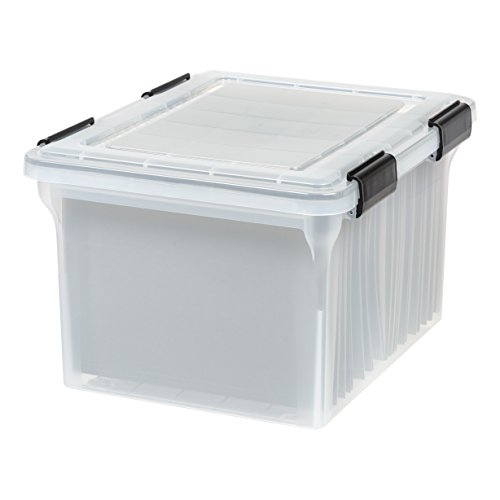
Small projects like socks, lace scarves, or delicate baby booties often get lost in massive storage bins. The Iris Letter Size bin is perfectly scaled to hold these smaller items without them shifting around or getting tangled.
The weathertight seal is just as effective here as it is on the larger models, ensuring your small-scale projects remain protected. I find these are the perfect size to slide onto a bookshelf or tuck into a small corner of a craft room.
Because they are compact, they are also easier to manage if you need to pull out a specific pair of socks for a gift. It is a simple, focused solution for the "smalls" that often represent the most intricate work in a knitter’s portfolio.
Essential Tips for Archival Knitting Storage
- Clean before storing: Always wash your finished projects according to the fiber’s needs before storing them. Even if a sweater looks clean, invisible skin oils or food particles can attract pests.
- Avoid hangers: Never hang your hand-knits for long-term storage, as the weight will cause the shoulders to stretch and the fabric to distort. Fold them neatly and lay them flat inside your bins.
- Use acid-free tissue: If you are storing delicate items, place acid-free tissue paper between the folds to prevent creasing and fiber migration.
- Label clearly: Use masking tape or a label maker to note the date and contents of the bin, which helps you track how long items have been in storage.
Why Acid-Free Materials Protect Your Fiber Arts
Acid-free materials are crucial because standard cardboard and low-quality plastics can off-gas chemicals that yellow or degrade natural fibers over time. When you store a project, you want a neutral environment that doesn’t react with the dyes or the protein structures of the yarn.
If you choose to use tissue paper, ensure it is labeled "archival quality" or "acid-free." Regular tissue paper contains acids that can cause permanent discoloration, especially on light-colored wool or silk.
Think of your finished projects as art pieces; you wouldn’t put an oil painting in a trash bag, so don’t subject your hand-knit lace or colorwork to materials that might break down the fiber integrity. Investing in archival-grade storage is an extension of the care you put into every stitch.
How to Prevent Moth Damage in Stored Knitwear
Moths are the nightmare of every knitter, and they are particularly attracted to clean, natural protein fibers like wool, alpaca, and silk. The best defense is a physical barrier, which is why the weathertight bins mentioned above are so effective.
Avoid relying solely on cedar balls or lavender sachets, as their potency fades over time and they do not provide a physical seal against larvae. If you are worried about an infestation, ensure your bins are kept in a cool, dry place, as moths prefer warm, dark, and damp environments.

If you ever find a suspicious hole in a stored garment, isolate it immediately and place it in a sealed bag in the freezer for 72 hours to kill any potential eggs. Prevention is always easier than remediation, so keep those lids snapped tight and your storage area clean.
Taking the time to store your finished projects properly is the ultimate act of respect for your craft. By choosing the right bin and following basic archival practices, you ensure that your work remains as beautiful as the day you bound off the final stitch. Treat your knitwear with care, and it will keep you warm for years to come. Happy knitting, and may your storage be as organized as your stash.