6 Best Wire Brushes For Creating Fuzzy Textures
Discover the 6 best wire brushes for achieving realistic fuzzy textures. This guide reviews top tools to help artists refine their shading and surface detail.
Achieving that coveted, ethereal halo on a hand-knitted garment is often the difference between a project that looks store-bought and one that looks like a professional heirloom. While some yarns come pre-brushed, many makers prefer to control the level of fuzziness themselves to suit their specific project needs. Using a wire brush is an art form that transforms flat, lifeless stitches into a soft, cloud-like texture. Mastering this technique requires the right tool, a gentle touch, and an understanding of how different fibers respond to mechanical agitation.
Susan Bates Knit Chek Wire Styling Brush
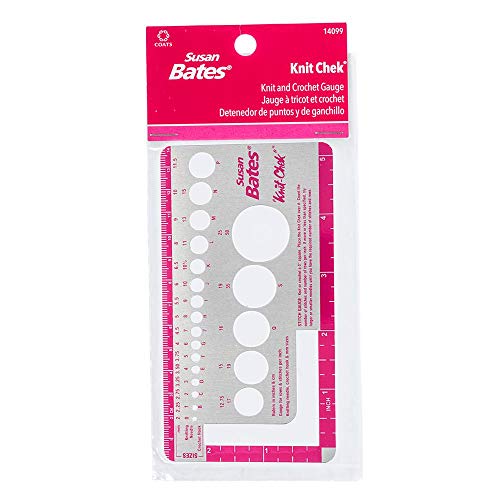

This tool is a classic staple in many knitting bags, primarily because it is compact and incredibly easy to find. While it is often marketed for measuring gauge, the wire brush side is surprisingly effective for spot-treating small areas of a garment.
If you are working on a small accessory, like a pair of fingerless mitts, this brush provides enough control to fluff up the cuff without snagging the surrounding stitches. It is not designed for heavy-duty napping, but for quick touch-ups, it is perfectly adequate.
The trade-off here is the ergonomics; the handle is small and can cause hand fatigue if you are brushing an entire sweater. For occasional use, however, its portability makes it a reliable companion for fixing pilling or adding a subtle texture to a finished piece.
Clover Wire Brush for Fiber Texturing

Clover consistently produces tools that feel intuitive, and their wire brush is no exception. It features a dense arrangement of fine wires that are specifically calibrated to lift fibers without tearing the structural ply of the yarn.
This brush is ideal for those working with mohair or brushed suri alpaca blends. Because the bristles are relatively stiff, you can achieve a significant halo with fewer passes, which reduces the risk of over-stressing your fabric.
One common misconception is that more pressure equals more fuzz. With the Clover brush, you will find that a light, sweeping motion is far more effective than pressing hard. Using too much force can actually thin out your fabric, so let the wire tips do the work for you.
Ashford Wool Carding Wire Brush Tool

If you are a spinner or a heavy-duty fiber crafter, you likely already have an Ashford carder in your collection. While technically designed for blending wool, these brushes are the gold standard for creating a deep, luxurious nap on finished handknits.
These brushes are larger than standard styling brushes, which makes them perfect for working on larger surfaces like the back of a cardigan or a wide shawl. The wire density is much higher, meaning you can cover more ground in less time.
Be cautious, however, as this tool is aggressive. It is best suited for sturdy, rustic wools that can handle a bit of rough treatment. If you use this on a delicate, single-ply yarn, you might inadvertently pull the fiber apart, so always test a swatch first.
Lacis Fine Wire Napping Brush for Wool

The Lacis napping brush is designed with precision in mind, featuring finer wires that are spaced to gently tease out the fibers. It is the preferred choice for knitters working with vintage-style wools or finer lace-weight yarns.
The beauty of this brush lies in its ability to create a "soft" halo rather than a shaggy, wild one. It provides a more refined, controlled finish that looks elegant on garments intended for formal wear.
Because the wires are so fine, they can be prone to bending if stored improperly. Always keep a protective cover on the head of the brush to ensure the wires remain upright and effective for your next project.
Schacht Spindle Company Wire Brush

Schacht is a brand synonymous with quality in the weaving and spinning world, and their wire brushes reflect that heritage. These are built to last, with a robust construction that stands up to years of consistent use in a fiber studio.
This brush is particularly effective for "blooming" yarns that have been tightly spun. If you find your fabric feels a bit stiff or boards-like after knitting, a light pass with this brush can help relax the fibers and improve the drape.
Always remember that brushing changes the hand of the fabric. By lifting the fibers, you are creating more surface area, which will make the garment feel warmer but also slightly more prone to catching on jewelry or rough surfaces.
Strauch Petite Wire Fiber Blending Brush
For those who want professional-grade results on a smaller scale, the Strauch Petite is a fantastic investment. It offers the same high-quality wire density found in their larger carding tools but in a manageable size that fits comfortably in the hand.
This tool is excellent for targeted texturing, such as creating a fuzzy border on a hat or adding a halo to a specific colorwork motif. It allows for a high level of artistic control, letting you decide exactly where you want the texture to be most prominent.
The main advantage here is the quality of the wire, which is engineered to be durable yet gentle. If you are serious about fiber manipulation, this is the tool that will provide the most consistent, repeatable results over time.
How to Brush Fiber to Achieve a Soft Halo
The secret to a perfect halo is not the brush, but the technique of "flicking" the surface. Hold your garment flat on a steady surface and use short, light, outward strokes to lift the fibers from the yarn ply.
Start with a light touch, brushing only the surface of the stitches. You should never feel like you are digging into the fabric; instead, imagine you are just lightly tickling the surface to wake up the fibers.
- Work in small sections: Do not try to brush a large area at once.
- Check your progress: Lift the garment to the light frequently to see how the halo is developing.
- Be patient: A gradual build-up of texture is always better than a sudden, aggressive pull that could damage your hard work.
Choosing the Right Wire Gauge for Your Yarn
Not all yarns respond the same way to wire brushing, and the gauge of the wire you choose is critical. Generally, thicker, sturdier wools can handle a coarser wire, while delicate fibers like cashmere or silk-blends require a much finer gauge.
If you are working with a high-twist yarn, you will need to spend more time brushing to break down that twist and release the fibers. Conversely, a soft, woolen-spun yarn will fluff up almost immediately with very little effort.
- Coarse/Rustic Yarns: Use a stiff, wide-gauge brush.
- Soft/Delicate Yarns: Use a fine-gauge, soft-wire brush.
- Superwash Yarns: Be careful, as these are often more slippery and can be pulled out of alignment more easily.
Safety Tips for Brushing Delicate Fibers
Brushing is a mechanical process, and it does carry a small risk of damaging your project if you are not careful. Always ensure your garment is completely finished and ends are woven in before you start, as the brush can catch loose ends and pull them out.
Avoid brushing over seams or delicate lace patterns where the structure is already thin. If you are unsure how a yarn will react, always perform a test on a spare swatch that has been washed and blocked in the same way as your final garment.
Finally, keep your fingers away from the path of the brush. Those fine wires are designed to grip fiber, and they can be quite sharp if they catch your skin. Work with a steady hand and take breaks if you are tackling a large project.
Maintaining Your Brushes for Longevity
A wire brush is an investment, and like any tool, it requires regular maintenance to perform at its best. After every use, use a clean-out tool or a sturdy comb to remove the excess fiber trapped in the wires.
If fiber is allowed to build up, the brush will lose its effectiveness and the wires may begin to mat together. Never leave your brush sitting with the wires face down on a hard surface, as this will cause them to bend and lose their shape over time.
Store your brushes in a dry, cool place, preferably in a dedicated tool roll or box. If you notice a wire has become severely bent, carefully straighten it with a pair of needle-nose pliers, but be gentle so as not to snap the wire entirely.

Brushing your handknits is a transformative process that adds depth, warmth, and a professional finish to your work. By selecting the right wire brush and practicing a light, consistent touch, you can elevate your projects from simple stitches to luxurious, textured textiles. Remember that your goal is to enhance the yarn’s natural beauty, not to force it into submission. With a little patience and the right tools, you will soon be creating halos that make your knitwear truly stand out.