6 Best Cotton Yarns For Absorbent Coasters To Try
Discover the top 6 cotton yarns for crafting absorbent, durable coasters. Learn which fibers offer the best moisture control and longevity for your projects.
Creating functional home decor requires a careful balance between aesthetic appeal and practical utility. When knitting coasters, the fiber choice dictates whether your furniture stays dry or ends up with a ring of moisture. These six cotton yarns represent the gold standard for creating reliable, absorbent, and long-lasting table protectors.
Lily Sugar’n Cream: The Classic Choice for Value
This yarn is the workhorse of the fiber world, found in nearly every local craft store for good reason. It is a thick, worsted-weight cotton that provides a substantial, sturdy fabric capable of holding up to heavy mugs and condensation.
Because it is an unmercerized cotton, it has a slightly matte finish and a thirsty nature. It will soak up water quickly, protecting your wood surfaces from rings. However, the trade-off is that it can feel a bit stiff on the needles during long sessions.
If you are a beginner looking to practice your knit and purl stitches without breaking the bank, this is your best starting point. Just be aware that the texture can be slightly uneven, which adds a rustic charm but might not be ideal for delicate lace patterns.
Knit Picks Dishie: Best for Color Retention


Dishie has a tighter twist than most budget cottons, which makes it remarkably resistant to pilling and fading. When you are knitting coasters that will be washed repeatedly, you want a yarn that maintains its structural integrity and vibrant hue.
The twist also gives your stitches a crisp, defined look that is perfect for textured patterns like seed stitch or moss stitch. Because it is a slightly thinner worsted weight, it creates a dense fabric that doesn’t feel overly bulky under a glass.
Many knitters find that this yarn softens significantly after the first trip through the laundry. It is a reliable, professional-grade choice for gifts that you want to look brand new even after months of daily use.
Scheepjes Catona: Best for Detailed Stitch Work

If you enjoy working with finer threads to create intricate, mosaic-style coasters, Catona is the industry leader. It is a mercerized cotton, meaning it has undergone a process that adds strength and a subtle, silky sheen to the fiber.
The high twist of this fingering-weight yarn ensures that your stitch definition remains sharp, even in complex cables or colorwork. Because it is thinner, you will need to hold it doubled or use a very small needle size to achieve the density required for a coaster.
Using a smaller needle creates a tighter fabric that prevents liquid from seeping through to the table. While it requires more patience to knit with, the resulting coasters look sophisticated and high-end.
Hobbii Rainbow Cotton 8/8: Best Soft Texture
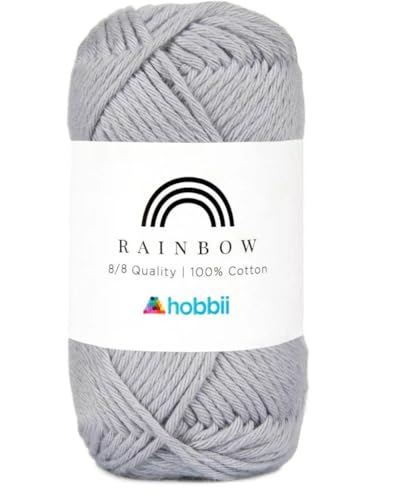
This yarn is a joy to handle, offering a plush, cloud-like feel that is rare in 100% cotton. The 8/8 designation refers to the thickness, which is a heavy worsted weight that fills in your stitches beautifully.
The softness comes from the way the fibers are spun, making it much gentler on your hands than stiffer, budget-friendly varieties. If you suffer from hand fatigue or joint pain, this is the yarn that will allow you to knit for hours without discomfort.
The density of this yarn makes it excellent for plain garter stitch squares, as it creates a thick barrier between your drink and the table. It is a fantastic choice for those who prioritize comfort during the crafting process.
Paintbox Yarns Cotton DK: Best Color Variety

Having a massive palette at your disposal is a game-changer when you are trying to match your coasters to specific home decor. Paintbox Yarns offers an extensive range of shades, from muted neutrals to vibrant, saturated brights.
As a DK weight, this yarn sits perfectly between fingering and worsted, giving you a balance of drape and density. It is smooth and consistent, which makes it easy to maintain an even gauge across all your coasters.
If you are planning to knit a set of coasters in a gradient or a multi-colored pattern, the consistency across their color line is unmatched. It is a reliable, mid-range choice that delivers predictable results every time.
Rowan Handknit Cotton: Best Premium Feel

When you want to elevate a simple project into something luxurious, Rowan is the name to reach for. This yarn has a unique, tape-like construction that feels substantial and sophisticated in the hand.
It is incredibly absorbent and has a matte, natural look that feels right at home in modern, minimalist spaces. Because of its specific structure, it creates a fabric with excellent weight and drape that sits flat on any surface.
While it is more expensive than other options, the quality is evident in the finished product. It is the perfect choice for a special housewarming gift that feels like a piece of art rather than just a utility item.
Why 100% Cotton Is Best for Absorbent Coasters
Cotton is a cellulose fiber, which means it is naturally hydrophilic, or "water-loving." Unlike synthetic fibers like acrylic, which repel water and cause condensation to pool, cotton draws moisture into its core.
This absorption prevents water from running off the edge of the coaster and onto your furniture. When choosing a yarn, look for fibers that are not treated with water-resistant finishes, as these will defeat the purpose of the project.
Remember that the density of your knitting is just as important as the fiber itself. A loose, airy knit will allow moisture to pass through to the table, regardless of the material.
Essential Knitting Techniques for Dense Fabrics
To ensure your coasters are truly functional, you need to minimize the space between your stitches. I always recommend going down at least two needle sizes from what the yarn label suggests.
- Tight Gauge: Aim for a fabric that feels firm and resists stretching.
- Stitch Selection: Use dense patterns like garter stitch, linen stitch, or moss stitch.
- Needle Material: Use metal needles to help maintain a tight tension, as they provide less "drag" than bamboo.
If you find that your stitches are still too loose, consider holding the yarn double. This creates a thicker, more absorbent fabric that provides a superior barrier for your surfaces.
How to Prevent Coaster Curling and Distortion
Cotton has very little "memory," meaning it doesn’t bounce back to its original shape like wool does. This can lead to curling edges, especially in stockinette stitch, which is the natural tendency of that stitch pattern.
To combat this, always frame your coasters with a border of garter or seed stitch. These textured patterns act as a structural anchor, keeping the edges flat and preventing the "taco" effect common in cotton projects.
Blocking is also non-negotiable with cotton coasters. Once finished, soak your pieces in water, squeeze out the excess, and pin them flat into a perfect square or circle until they are completely dry.
Care Instructions for Long-Lasting Cotton Linens
Because these coasters will be exposed to moisture and heat, they need to be durable enough for regular cleaning. 100% cotton is generally machine washable, but it can shrink if exposed to high heat.
I suggest washing them in a mesh laundry bag on a gentle cycle to prevent them from getting lost or snagged in the drum. Always lay them flat to air dry; the dryer is the enemy of cotton shape retention and can lead to uneven shrinking.
If they become stained, a quick soak in a mild detergent solution is usually enough to refresh them. Treat them well, and a set of hand-knitted cotton coasters will provide years of reliable service.
Knitting coasters is the perfect project to master the relationship between fiber properties and functional design. By choosing the right cotton and adjusting your tension, you can create pieces that are as practical as they are beautiful. Take the time to block your work properly, and you will have a set of linens that protect your home for years to come. Happy knitting!