6 Best Toggle Fasteners For Chunky Cardigans To Try
Upgrade your chunky knitwear with these 6 top toggle fasteners. Discover durable, stylish options that provide the perfect blend of function and fashion.
Choosing the right closure for a chunky cardigan is the final, critical step in transforming a heavy knit from a pile of yarn into a wearable heirloom. A toggle isn’t just a functional fastener; it acts as a structural anchor that dictates how your garment hangs across the chest. Selecting the wrong hardware can lead to sagging, stretched buttonholes, or a closure that simply won’t stay shut under the weight of thick, lofty wool. This guide breaks down the best options to ensure your hard work remains secure, stylish, and perfectly balanced.
Leather Toggles: The Classic Rustic Choice


Leather toggles provide a timeless, rugged appeal that pairs beautifully with cabled wool sweaters or thick, unspun roving yarns. The natural grip of leather prevents the toggle from slipping, which is essential when working with heavy-gauge knits that tend to pull at the placket.
However, leather requires careful consideration regarding care. Because real leather can bleed dye or stiffen after washing, you must ensure your toggles are removable or that your yarn choice is colorfast before committing to a permanent stitch.
If you choose leather, look for high-quality, vegetable-tanned options that soften with age. Steer clear of cheap, bonded leather strips, as these will eventually crack and peel under the tension of a chunky cardigan.
Wood Barrel Toggles: Best For Natural Fibers
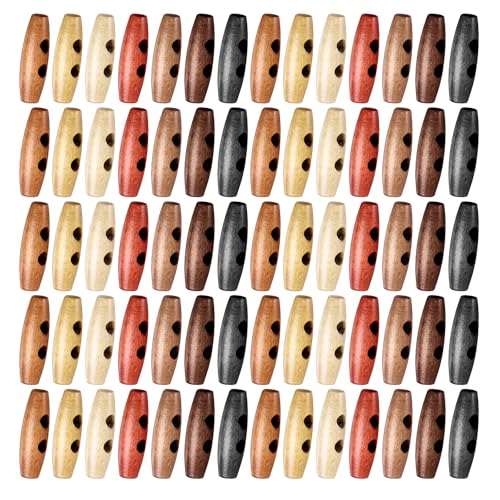
Wood barrel toggles are the gold standard for earthy, rustic projects like sheep-to-garment sweaters or rustic Highland wools. They offer a lightweight profile that doesn’t add unnecessary bulk, allowing the texture of your stitch pattern to remain the star of the show.
Because wood is porous, it harmonizes perfectly with natural animal fibers like wool, alpaca, and mohair. The friction coefficient between wood and wool is ideal; it holds securely without the need for overly tight loops, which helps preserve the integrity of your buttonhole stitches.
Always check for a smooth, sanded finish to ensure the toggle won’t snag your yarn. A rough edge on a toggle is a death sentence for delicate fibers, leading to pilling and broken strands over time.
Horn Toggle Clasps: Adding A Vintage Aesthetic

Horn toggles bring an undeniable sense of heritage and luxury to a hand-knit garment. They are incredibly dense and durable, making them an excellent choice for heavy, oversized cardigans that will see years of daily wear.
The natural variation in horn means no two toggles are identical, which adds a bespoke, artisanal quality to your work. They are generally heavier than wood or resin, so they provide a nice "swing" to the cardigan’s front panels, helping the fabric drape more cleanly.
Keep in mind that horn is a natural material and can be sensitive to extreme heat or prolonged moisture. If you live in a damp climate, ensure your toggles are properly sealed or choose a high-quality, polished horn that resists water absorption.
Metal Toggle Closures: Durable Modern Options

Metal toggles offer a sleek, industrial contrast to the softness of a chunky knit. They are the most secure option for heavy garments, as the rigid structure of the metal ensures the clasp stays locked even when the cardigan is under significant tension.
When selecting metal, prioritize weight. A toggle that is too heavy can cause the placket to sag or "smile" between the closures, ruining the drape of your sweater. Opt for hollow-core or lightweight alloy metals to keep the garment comfortable for all-day wear.
Always test your metal toggles for nickel content if you have sensitive skin. Furthermore, ensure the finish is durable enough to withstand the friction of the loop, as cheap plating can flake off and stain your light-colored yarns.
Resin Toggle Buttons: Lightweight And Versatile

Resin is the unsung hero of the toggle world, offering endless color possibilities and a lightweight feel that won’t distort your knitting. If you’ve spent weeks knitting a complex, heavy-weight cardigan, resin toggles provide the security you need without adding extra ounces that pull at your shoulders.
They are incredibly easy to clean and maintain, making them the most practical choice for everyday cardigans. Unlike wood or leather, resin is impervious to water, meaning you don’t have to worry about the toggle changing shape or texture after a soak in the wash.
Choose resin if you want a pop of color or a specific aesthetic that natural materials can’t provide. They are the most consistent option for those who want a polished, uniform look across the entire placket.
Faux Suede Toggles: Soft And Animal-Friendly

Faux suede offers the soft, tactile experience of leather without the maintenance headaches or ethical concerns. These toggles are usually sold as pre-attached patches, which makes them incredibly easy to sew onto a finished cardigan without needing to create traditional buttonholes.
Because the backing is flexible, they distribute the tension across a wider area of the fabric. This is a game-changer for chunky knits, as it prevents the "pulling" effect that often happens when a single toggle is anchored to a small, isolated point on the placket.
If you are a beginner, faux suede patches are your best friend. They provide a professional, finished look that hides any imperfections in your placket construction while remaining gentle on your hands during the sewing process.
How To Select The Right Toggle For Your Weight
Selecting the right toggle is a balance of physics and aesthetics. As a rule of thumb, the heavier your yarn, the larger your toggle should be to maintain visual proportion and physical grip.
- Worsted/Aran weight: Mid-sized toggles (30-40mm).
- Chunky/Bulky weight: Large toggles (50mm+).
- Super Bulky/Roving: Extra-large toggles with thick, sturdy loops.
If you are using a very lofty, airy yarn, avoid heavy metal toggles, as the weight will cause the fabric to stretch vertically. Instead, prioritize lightweight wood or resin to keep the garment’s silhouette crisp and intentional.
Techniques For Reinforcing Your Cardigan Placket
Even the best toggle will fail if the placket isn’t strong enough to support it. Chunky knits are prone to stretching, so you must reinforce the area where the toggle attaches to prevent the yarn from pulling apart over time.
Consider sewing a strip of grosgrain ribbon or a piece of non-stretch fabric tape to the inside of the placket behind the toggle. This acts as a stabilizer, distributing the stress of the closure across the entire length of the front band rather than just a few stitches.
If you are knitting your placket as you go, work a tighter gauge than the body of the sweater. A tighter, denser placket is the foundation of a long-lasting cardigan.
Troubleshooting Toggle Alignment And Tension
Alignment issues are the most common frustration when finishing a cardigan. If your toggles aren’t perfectly spaced, the sweater will pull diagonally, creating unsightly gaps between the closures.
Always pin your toggles in place while wearing the sweater or using a dress form. Never rely on measuring tape alone; the way your specific gauge stretches under the weight of the garment can throw off your measurements by a full inch or more.
If you find that your toggles are pulling too hard, you may need to add a small "stay" button on the inside of the placket. This creates a sandwich effect, holding the weight of the toggle through two layers of fabric instead of one.
Caring For Your Hand Knits With Toggle Closures
Caring for a cardigan with hardware requires a bit more mindfulness during the laundry process. If your toggles are wood or leather, you should ideally remove them before washing if they are attached with split rings or clever toggling mechanisms.
If the toggles are sewn on permanently, wash the garment by hand in cool water using a gentle wool wash. Never put the cardigan in the dryer, as the heat can damage the toggles or cause them to warp and snag the surrounding fibers.
Finally, lay your garment flat to dry, ensuring the toggles are not resting on top of each other. Stacking wet toggles can cause moisture transfer or rust, which can permanently stain your beautiful, hand-crafted knit.
Investing time in choosing the right toggle is what separates a homemade project from a professional-grade garment. By matching your hardware to the weight, fiber, and style of your cardigan, you ensure that your hard work is rewarded with a piece that is as durable as it is beautiful. Don’t be afraid to experiment with different materials, and always prioritize the structural integrity of your placket. With the right toggle, your chunky knit will remain a cozy, functional favorite for years to come.