6 Best Wool Fluffing Brushes For Airy Yarn
Revitalize your knitwear with these 6 top-rated wool brushes. Learn how to restore loft, remove pilling, and maintain that airy, soft texture in your yarn.
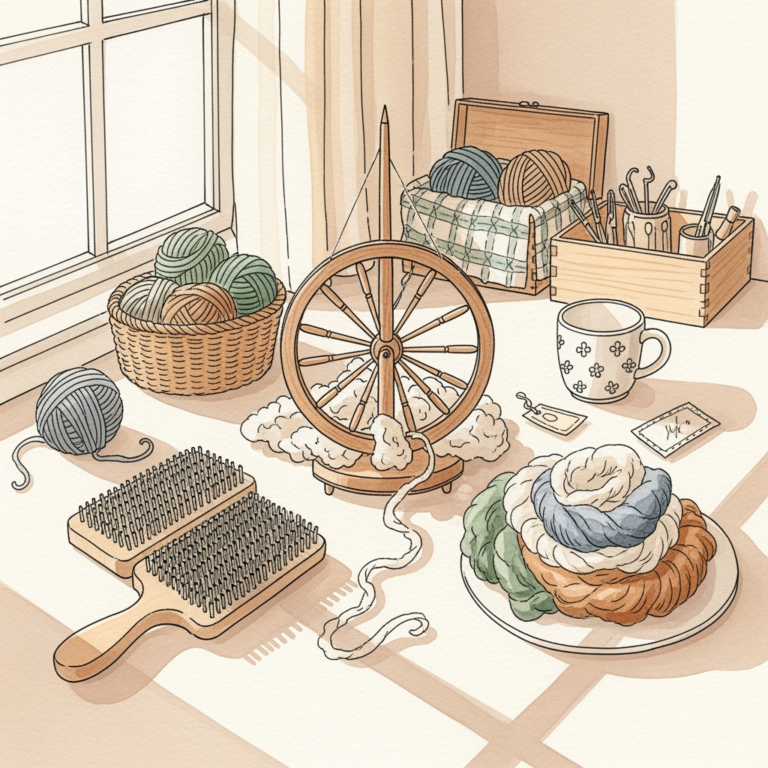
Achieving that coveted, ethereal halo on your hand-knits is more than just a stylistic choice; it is a transformative finishing technique that elevates a simple stockinette sweater into a professional-grade garment. While many knitters fear the idea of taking a brush to their hard work, the right tool can safely lift the fibers to create incredible warmth and softness. This guide breaks down the best brushes to help you master the art of blooming your yarn without compromising your stitches. Understanding the interplay between fiber structure and grooming tools is the secret to turning a flat, dense knit into a luxurious, airy masterpiece.
The Clover Wire Slicker Brush: Best Overall Pick


The Clover Wire Slicker is a staple in the knitting community for a reason: it is perfectly sized for the scale of most garments. Unlike massive pet brushes, this tool offers a level of control that prevents you from accidentally snagging your tension-sensitive stitches.
Its fine wire teeth are designed to grip the surface fibers without digging deep into the structural core of your yarn. This is essential when you are working with wools that have a tendency to pill if the twist is too loose.
If you are working on a delicate mohair-silk blend, this brush provides the most consistent "bloom." It balances efficiency with safety, making it the top choice for knitters who want a reliable, all-purpose tool.
Petmate Soft Slicker Brush for Delicate Fibers
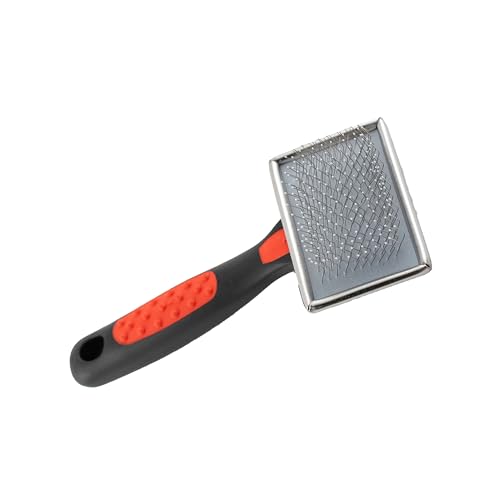
When you are working with luxury fibers like high-end merino or fine cashmere, you need a brush that treats the yarn with extreme care. The Petmate Soft Slicker features gentle, flexible pins that yield under pressure.
This flexibility is a lifesaver if you have a tendency to press too hard while grooming. It acts as a safety mechanism, ensuring that you are only lifting the surface halo rather than pulling the fiber out of the ply.
Use this brush for projects where you want a subtle, sophisticated lift rather than a dramatic, fuzzy texture. It is particularly effective on lighter weight yarns where aggressive brushing might distort your stitch definition.
Chris Christensen Big G Slicker for Mohair

The Big G is a professional-grade tool that features long, dense pins, making it the gold standard for mohair and brushed alpaca. If you have ever struggled to get a "cloud-like" effect on a mohair sweater, this is the tool that will finally give you that result.
The pins are incredibly effective at grabbing the long guard hairs of mohair and pulling them to the surface. Because the brush head is large, it covers more ground, which helps maintain a uniform halo across the entire front of a garment.
However, be warned: this brush is powerful. Only use the Big G on sturdy, well-constructed fabrics where you aren’t worried about catching a stray yarn end.
Hertzko Self-Cleaning Brush for Alpaca Blends

Alpaca is notoriously slippery and prone to shedding, which can make cleaning your brush a nightmare. The Hertzko’s standout feature is its push-button retraction system that clears the collected fibers in seconds.
This is a functional advantage because it keeps your brush clean, ensuring you aren’t re-depositing matted fibers back onto your knit. A clean brush head is essential for maintaining the clarity and loft of your yarn as you work.
If you are working with a large-scale project like an oversized wrap, the ease of cleaning this brush will save you significant frustration. It is the most efficient tool for high-shedding, long-staple fibers.
Safari Wire Pin Brush for Angora and Cashmere

Angora is a fiber that demands a light touch, as it can easily mat if handled too roughly. The Safari Wire Pin Brush features rounded tips that glide over the fabric surface rather than raking through it.
This design is ideal for knitters who are new to the process of brushing their knits. It provides a "safety net" because the rounded ends are far less likely to snag or tear the yarn structure.
Choose this brush if you are working with expensive, delicate fibers where the cost of a mistake is high. It provides a gentle, controlled lift that keeps the yarn looking plush without risking damage.
Glendan Dog Slicker Brush for Heavy Fluffing

If you are aiming for a dense, felted-style halo on a rustic wool sweater, the Glendan is your best bet. It is built for durability and can handle the friction required to create a thick, warm layer of fuzz.
This brush is excellent for "distressing" a garment to give it a vintage, well-worn appearance. It is rugged and holds up well to the repeated, firm strokes needed to break down the surface of a tighter, worsted-spun yarn.
Use this tool strictly for sturdy, thick-gauge wools. It is not suitable for lace-weight or delicate luxury blends, as it will likely pull your stitches out of alignment.
How to Brush Your Knits Without Fiber Damage
The golden rule of brushing is to always work in one direction. Think of your yarn like human hair; if you brush against the lay of the fiber, you will create tangles and knots rather than a smooth halo.
Start by laying your garment on a flat, firm surface. Hold the brush at a shallow angle and use short, light strokes, moving from the center of the fabric toward the edges.
Never force the brush if you feel resistance. If the brush catches, stop immediately, lift it off the fabric, and gently pick at the snag with your fingers before continuing.
Best Techniques for Achieving an Airy Halo
Consistency is the secret to a professional-looking finish. Divide your garment into small sections and brush each one until you reach the desired level of fluffiness, rather than trying to brush the whole sweater at once.
If you are using a mohair-silk blend, you will find that the halo develops quite quickly. Check your progress every few strokes to ensure you aren’t over-brushing, which can lead to a "bald" look where the fiber is pulled too thin.
For a more uniform appearance, brush your garment after it has been blocked and dried. A dry, set fabric provides a stable foundation that makes the brushing process much more predictable.
Avoiding Matting When Grooming Luxury Yarns
Matting occurs when you brush too aggressively or when you brush the same area for too long. If you notice small "nubs" or pills forming, you have gone too far.
To prevent this, always monitor the fiber density as you work. If the yarn starts to look tangled rather than airy, stop and use a light touch to smooth the area back down.
Remember that over-brushing can permanently weaken the structural integrity of your yarn. It is always better to aim for a subtle halo than to risk the structural health of your hard-earned project.
Essential Maintenance for Your Fluffing Tools
Your brushes are an investment in your craft, and they require regular care to function properly. After every use, remove the trapped fibers from the pins to prevent them from becoming embedded in the brush head.
If you find that the pins are becoming bent or dull, it is time to replace the brush. A damaged pin is a sharp object that can snag or cut your yarn, leading to holes in your knitting.
Store your brushes in a cool, dry place away from direct sunlight. Keeping the pins protected when not in use will ensure they remain straight and effective for years to come.
Grooming your knitwear is a rewarding process that bridges the gap between the knitting needles and the finished, wearable garment. By choosing the right tool for your specific fiber content and exercising a bit of patience, you can achieve a stunning halo that adds warmth and character to your work. Always prioritize the health of your stitches over the speed of the process, and you will find that these tools become indispensable parts of your finishing kit. Happy brushing, and enjoy the transformation of your beautiful, airy hand-knits.