6 Best Stitch Stoppers For Preventing Accidental Slips
Keep your knitting secure with our top 6 stitch stoppers. This guide evaluates the best tools to prevent accidental slips and protect your delicate projects.
There is nothing more heartbreaking than pulling a project bag out of your knitting tote only to find half your stitches have slid off the needles. Whether you are working on a complex lace shawl or a simple stockinette scarf, losing your place can derail hours of careful progress. Investing in high-quality stitch stoppers is the simplest insurance policy you can buy for your handmade work. This guide explores the best tools to keep your stitches secure, regardless of your needle material or project size.
Clover Point Protectors: The Gold Standard Choice
Clover point protectors are ubiquitous for a reason: they are incredibly reliable and fit a vast range of needle sizes. These soft, flexible caps grip the needle tip firmly, ensuring that even the slickest nickel-plated needles won’t shed their stitches.


I find these particularly useful when I am working on projects involving slippery fibers like silk or bamboo blends. Because they are soft, they don’t leave permanent indentations on your needles, which can happen with rigid plastic caps.
The bottom line is that these are the most versatile option in your knitting kit. Keep a few pairs in your notions bag, and you will rarely find yourself without a secure way to pause your work.
ChiaoGoo Silicone Needle Grips: Best for Cables
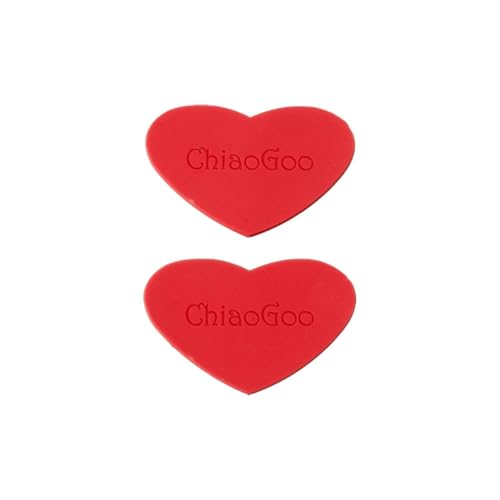
If you use interchangeable needles, you know the struggle of keeping your tips tightened during a long session. ChiaoGoo silicone grips are technically designed to help you gain torque when tightening your connections, but they double as excellent, low-profile stitch stoppers.
Because they are made of high-friction silicone, they don’t slide off easily once placed on the tip. They are slim and unobtrusive, making them perfect if you are shoving your project into a crowded project bag where bulky caps might get knocked off.
However, be aware that they are small and can be easily misplaced. Use them when you need a minimalist solution that won’t add extra weight or bulk to your needle tips.
Susan Bates Knit Chek Stoppers: Best Value Pick
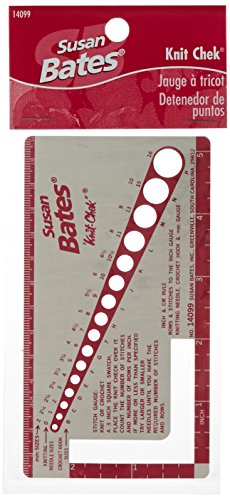
Susan Bates has been a staple in the knitting world for decades, and their basic plastic stoppers are a quintessential "workhorse" tool. They are inexpensive, come in multiple sizes, and are sold in large packs that are perfect for beginners.
These stoppers are rigid, which means they stay exactly where you put them. They are ideal for beginners who might be prone to dropping their needles or accidentally bumping their work against a table edge.
While they lack the "premium" feel of leather or silicone, they are incredibly durable. If you are the type of knitter who loses notions frequently, these are the best value for your money.
Brittany Birch Needle Caps: Best Natural Option

For those who prefer the tactile feel of wood and bamboo, Brittany Birch needle caps are a beautiful, functional choice. They are crafted from sustainably sourced birch and feature a snug, friction-fit design that feels warm and organic in the hand.
These are particularly well-suited for wooden needles, as the materials have similar coefficients of friction. They won’t scratch the finish of your expensive handcrafted needles, preserving the integrity of the wood over time.
While they are more of an investment, they offer a refined aesthetic that plastic simply cannot match. Use these when you want your knitting tools to feel as luxurious as the high-end wool you are working with.
Cocoknits Leather Stitch Stoppers: Best Luxury

Cocoknits has mastered the art of functional, beautiful knitting accessories, and their leather stoppers are the pinnacle of this approach. They use a clever design where the leather is shaped to hold the needle tip securely without the need for excessive force.
These are perfect for the knitter who loves a cohesive, professional look. Because they are made of leather, they have a natural "give" that accommodates different needle diameters, making them surprisingly adaptable.
They are the ultimate gift for the knitter who has everything. While they are a luxury item, their durability and style make them a joy to use on every project.
Boye Rubber Point Protectors: Best for Beginners
Boye rubber protectors are soft, pliable, and incredibly easy to squeeze onto the ends of your needles. For a beginner who is still getting used to the mechanics of knitting, these are much easier to handle than rigid plastic caps.
They are designed to be forgiving; if you accidentally snag a piece of yarn, the rubber is less likely to cause a split than a hard plastic edge. They provide a gentle, secure hold that won’t stress your hands during long knitting sessions.
If you are just starting out, start with a variety pack of these. They will give you the confidence to set your work down without worrying about your stitches unraveling.
How to Choose the Right Stopper for Needle Size
Choosing the right size is a matter of finding the balance between "too loose to stay on" and "too tight to remove." Most manufacturers color-code their stoppers, but always check the millimeter measurement before purchasing.
If you are using circular needles, you have a bit more leeway because the cord acts as a natural anchor. However, if you are working with double-pointed needles (DPNs), you need a stopper that fits snugly to prevent the stitches from sliding off the non-working end.
Always err on the side of a tighter fit for metal needles, which are slicker. For wooden or bamboo needles, a slightly looser fit is usually sufficient to hold the stitches in place.
Silicone vs. Plastic: Which Material Works Best
Silicone is the superior choice for grip and versatility. It is inherently "tacky," meaning it creates a high-friction seal that is difficult to knock loose, even when your needles are bouncing around in a bag.
Plastic, by contrast, is better for longevity and shape retention. Rigid plastic caps won’t stretch out over time, ensuring that a size 4mm cap will fit a 4mm needle just as securely five years from now as it does today.
- Silicone: Best for slick surfaces and minimal bulk.
- Plastic: Best for durability and maintaining a consistent fit.
- Leather: Best for aesthetics and a soft, non-abrasive touch.
Proper Techniques for Securing Your Work Safely
The secret to preventing slips isn’t just about the stopper; it is about how you place it. Always push the stopper firmly onto the needle until you feel a slight resistance, ensuring it is seated past the tapered point.
If you are traveling, consider adding a small piece of waste yarn through the stitches just below the needles as a secondary safety net. This is a common practice for lace knitters who cannot afford to lose a single stitch.
Never force a stopper onto a needle that is clearly too large for the cap. You risk stretching the material and rendering the stopper useless for its intended size.
Common Mistakes When Storing Your Knitting WIPs
The most common mistake is storing needles with the points facing outward in a bag. This not only risks the stoppers getting knocked off, but it can also cause the needles to poke through your project bag or even your yarn.
Another mistake is leaving your work on the needles for too long without checking the tension. If your stitches are very loose, even the best stopper won’t prevent the yarn from sagging and potentially slipping off the needle tip.
Always store your WIPs (Works In Progress) flat whenever possible. If you must roll them up, ensure the needle tips are protected by caps and tucked into the center of the roll to prevent them from catching on other items.
Keeping your stitches safe is a small investment of time that pays off in the long run by protecting your hard work. Whether you opt for the functional reliability of Clover or the refined luxury of Cocoknits, the right stopper will give you peace of mind. Remember that the best tool is the one that stays on your needles and fits your specific project needs. Happy knitting, and may your stitches always stay right where you left them.