7 Best Bead Spinners For Loading Sequins To Try
Discover the top 7 bead spinners for effortless sequin loading. This guide reviews essential features to help you streamline your crafting and save time.
Adding sequins to your knitting projects creates a stunning, light-catching effect that elevates everything from simple stockinette sweaters to intricate lace shawls. Loading hundreds of individual sequins onto your yarn by hand is a tedious task that can quickly derail your creative flow. A high-quality bead spinner automates this process, saving you hours of frustration so you can get back to your needles. Choosing the right tool depends on your project volume, the weight of your sequins, and how much you value consistency in your workflow.
Beadalon Spin-N-Bead: The Professional Standard
If you’ve ever spent an entire weekend prepping yarn for a sequined bridal veil, you know that reliability is everything. The Beadalon Spin-N-Bead is widely considered the gold standard because of its smooth, consistent rotation and durable construction.
This spinner is designed to handle long hours of work without wobbling or losing its momentum. When you are loading sequins onto fine silk or mohair lace-weight yarn, that stability prevents the thread from tangling or jumping out of the bowl.
The weighted base is its greatest asset, keeping the unit firmly anchored on your workstation. If you’re a production knitter or working on a large-scale project, this is the reliable workhorse you want by your side.
Darice Wooden Bead Spinner: Best Budget Option
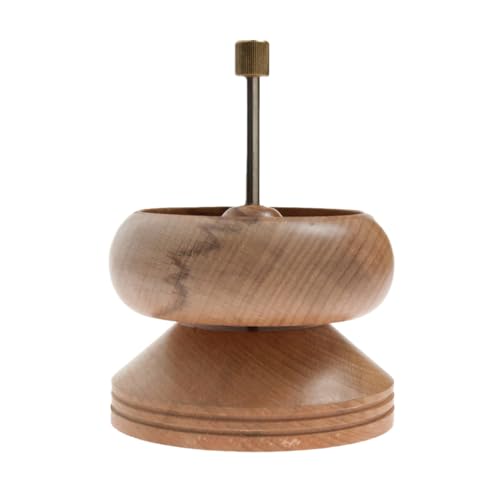

Sometimes you just need a simple tool that gets the job done without unnecessary bells and whistles. The Darice Wooden Bead Spinner offers a classic, stripped-back approach that many traditionalists prefer over modern plastic alternatives.
Because it is made of wood, it has a natural weight and a tactile feel that plastic spinners often lack. It’s an excellent entry point if you’re curious about using sequins but aren’t ready to invest in a high-end electric model.
Keep in mind that the finish on wooden spinners can occasionally vary, so a quick wipe-down with a soft cloth before use is a good habit. It’s a straightforward, no-nonsense tool that proves you don’t need to spend a fortune to achieve professional results.
Cousin DIY Bead Spinner: Great for Beginners

Starting your first sequined project can feel daunting, especially when you’re worried about wasting expensive yarn or delicate sequins. The Cousin DIY Bead Spinner is approachable, easy to assemble, and very forgiving for those new to the process.
This model is lightweight and portable, making it easy to store in your project bag alongside your circular needles and stitch markers. It’s perfect for smaller, one-off projects like adding a subtle sparkle to a pair of fingerless mitts.
While it may not be as heavy-duty as professional-grade spinners, it offers a gentle learning curve. It’s the ideal tool for testing the waters before committing to a massive sequin-heavy garment.
Beadsmith Electric Spinner: Best for Efficiency

When you have thousands of sequins to load, manual spinning starts to feel like a workout for your wrist. The Beadsmith Electric Spinner takes the physical labor out of the equation entirely, allowing you to focus on managing your yarn tension.
The adjustable speed settings are a game-changer when you’re working with different sequin sizes or yarn weights. You can slow it down for delicate, snag-prone fibers like hand-dyed merino and speed it up for sturdier cotton or linen blends.
This efficiency is invaluable for high-volume makers who want to spend more time knitting and less time prepping. It is an investment, but for those who frequently incorporate sequins into their work, the time saved is well worth the cost.
Tulip Bead Spinner: Superior Japanese Precision

Japanese craft tools are famous for their engineering, and the Tulip Bead Spinner is no exception. Everything about this tool feels intentional, from the perfectly balanced bowl to the smooth, silent rotation of the mechanism.
If you are working with high-end, delicate sequins that are prone to scratching or bending, the quality of this spinner’s interior surface matters. It treats your materials with care, ensuring that every sequin arrives on your yarn in perfect condition.
It’s a delight to use for long sessions, as the fluid motion reduces the repetitive strain on your hands. For the knitter who appreciates fine tools that enhance the tactile experience of their craft, this is a top-tier choice.
Bead Buddy Quick Spinner: Best Compact Design
Space is often at a premium in a knitter’s workspace, especially if you have baskets of yarn and patterns spread across your desk. The Bead Buddy Quick Spinner features a streamlined, compact footprint that fits easily into even the most cluttered studio.
Don’t let its small size fool you; it is surprisingly effective at catching sequins on the needle. It’s particularly well-suited for travel knitting, as it won’t take up valuable real estate in your carry-on or project tote.
It’s a fantastic "grab and go" tool for those who like to knit in different spots around the house. If you value minimalism and portability, this spinner strikes the perfect balance between function and convenience.
ImpressArt Bead Spinner: Best for Heavy Beads
Not all sequins are created equal, and some heavier, metal-based decorative elements require a more robust spinner. The ImpressArt Bead Spinner is built with a sturdier frame that handles the weight of denser materials without stalling.
If you’re experimenting with mixing sequins and heavier beads in your knitting, this unit provides the necessary torque. It prevents the frustration of the spinner slowing down or jamming when the bowl gets heavy.
This durability makes it a great choice for adventurous knitters who like to push the boundaries of texture. It’s a reliable tool for those who aren’t afraid to experiment with unconventional embellishments.
How to Select the Right Spinner for Your Sequins
Choosing the right spinner is essentially about matching the tool to the scale of your project. If you are doing a single accent row, a small manual spinner is perfectly adequate.
- Volume: For large projects, prioritize electric or high-stability manual models.
- Sequin Size: Ensure the bowl curvature matches the size of your sequins to prevent them from flying out.
- Material: Consider the weight of your sequins; heavier materials require sturdier, more stable bases.
Always check the compatibility of your needle with the spinner’s hook. A needle that is too thick or too curved can cause the spinner to catch, leading to snapped thread or damaged sequins.
Essential Tips for Loading Sequins onto Thread
The secret to a successful sequin-loading session is consistent yarn tension. If your yarn is too slack, the sequins will pile up; if it’s too tight, you risk snapping the fiber.
- Pre-wind your yarn: Working from a ball rather than a skein prevents tangling while the spinner is running.
- Use a smooth needle: A polished, thin needle will glide through the sequins much easier than a textured one.
- Angle matters: Hold your needle at a slight angle against the spinning sequins to encourage them to climb onto the thread naturally.
Don’t be afraid to experiment with the speed of your hand. Sometimes a slow, steady rhythm is far more effective than trying to rush the process at high speeds.
Maintaining Your Spinner for Long-Term Usage
Like any tool in your knitting kit, a bead spinner requires a bit of maintenance to keep performing at its best. Dust and debris can build up in the rotation mechanism, causing it to stutter over time.
Regularly wipe down the interior of the bowl to remove any residue from sequins or yarn fibers. If you have an electric model, keep the motor housing free of lint, which can easily be sucked into the vents during long sessions.
Store your spinner in a clean, dry place when not in use to prevent warping, especially with wooden models. A little bit of care ensures that your spinner remains a reliable part of your toolkit for many knitting projects to come.
Investing in a quality bead spinner transforms the way you approach sequined knitting, turning a chore into a seamless part of your creative process. Whether you choose a high-efficiency electric model or a simple, sturdy wooden option, the right tool will significantly improve your workflow. Take the time to understand your specific project needs and choose the spinner that complements your personal knitting style. With the right setup, you can focus entirely on the joy of creating beautiful, shimmering textiles.