6 Best Wool Blend Slivers for Smooth Finishes
Discover the top 6 wool blend slivers for achieving smooth finishes. Learn how these premium fibers ensure uniform textures and superior quality in your crafts.
Choosing the right sock yarn is the difference between a pair of socks you wear until they fall apart and a pair that sits neglected in your drawer. While pure wool is lovely, the addition of synthetic fibers or luxury additives creates a fabric that balances softness with structural integrity. These six blends represent the gold standard for achieving a professional, smooth finish that stands up to the rigors of daily wear. Whether you are a beginner or a veteran, understanding these blends will elevate your knitting from "homemade" to heirloom quality.
WYS Bluefaced Leicester and Nylon: Best Overall
West Yorkshire Spinners (WYS) Signature 4-Ply is a staple in my knitting bag for a reason. By combining the natural luster and strength of Bluefaced Leicester (BFL) wool with a touch of nylon, it creates a fabric that is both incredibly soft and remarkably resilient.


The BFL fiber is naturally long-staple, which means it has fewer ends poking out of the yarn strand, resulting in a cleaner, smoother stitch definition. When you work this on a 2.25mm needle, the stitches practically lock into place with a crisp, professional look.
The real-world benefit here is the balance of drape and memory. It doesn’t grow or sag after a long day of walking, and it resists pilling better than almost any other standard sock blend I’ve encountered.
Drops Fabel Sock Yarn: Best Budget-Friendly Pick

If you are just starting your sock-knitting journey, do not feel pressured to spend a fortune on luxury hand-dyes. Drops Fabel is an incredibly reliable workhorse that offers a high-twist construction, which is essential for preventing the yarn from splitting while you work.
The composition is a straightforward 75% wool and 25% polyamide blend. While it isn’t as "bouncy" as some premium yarns, it is highly consistent, which helps beginners maintain an even gauge across the heel flap and gusset.
It is a thinner 4-ply, so if you find your knitting is loose, you may want to drop down to a 2.0mm needle. It is a fantastic choice for practicing complex stitch patterns where you need the yarn to behave predictably.
Regia Premium Merino Yak: Best Luxury Wool Blend

Adding yak fiber to a merino base is a game-changer for those who want a touch of sophistication in their footwear. The yak provides a subtle, earthy depth to the color and an incredible softness that rivals cashmere without the fragility.
This yarn creates a fabric that feels almost "cushiony" against the skin. Because the fiber is so fine, it produces a very smooth, dense fabric that is perfect for socks you intend to wear with dress shoes or boots.
Be aware that because this is a more delicate blend, it requires a bit more care during the blocking process. Avoid aggressive agitation to keep the fibers looking pristine for years to come.
Lang Yarns Jawoll: Best for Durability and Wear

Lang Yarns Jawoll is legendary in the knitting community for its longevity, largely due to the high-quality nylon content and the way the fiber is processed. Each skein even comes with a small spool of reinforcing thread, which is a brilliant touch for darning heels and toes.
The yarn has a slightly firmer hand than merino-heavy blends, which makes it exceptionally easy to control. If you have a tendency to drop stitches or struggle with tension, the structural integrity of Jawoll will feel like a helping hand.
It knits up into a very sturdy, tight fabric that refuses to thin out at the pressure points. This is the yarn I reach for when I am knitting socks for someone who is hard on their footwear.
Opal 4-Ply Wool Blend: Best for Color Variety
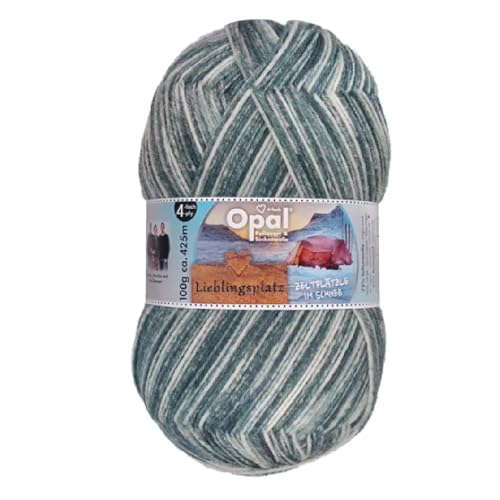
Opal is the king of self-patterning yarns, and their 4-ply blend is engineered specifically for the sock knitter who wants flair without the headache of intarsia. The color changes are mathematically precise, meaning your socks will match perfectly if you start from the same point in the color repeat.
The fiber blend is optimized for machine washing, which is a massive convenience for everyday socks. The finish is smooth and uniform, making it an excellent candidate for simple stockinette stitch patterns where the yarn does all the heavy lifting.
Don’t be afraid to use these vibrant colors for plain vanilla socks. The complexity of the dye job is more than enough to make the finished project look like a complex piece of art.
Hedgehog Fibres Sock: Best for Vibrant Projects
Hedgehog Fibres is about one thing: color saturation. If you want a hand-dyed look that remains smooth and doesn’t get lost in a "muddy" haze, this is your go-to. The base is a high-twist merino/nylon blend that provides a beautiful, tight stitch structure.
Because these are hand-dyed, you will occasionally see slight variations in the color depth, which adds to the charm of the finished sock. It is a high-end experience, so I recommend using it for patterns with a bit of texture or lace to really show off the yarn.
The trade-off is that it requires a bit more attention to color management. If you are knitting a pair, I always suggest alternating skeins every two rows to ensure a seamless transition if there is any variance in the dye lot.
Why Wool Blends Outperform Pure Wool for Socks
While pure wool is warm, it lacks the structural integrity required for the friction-heavy environment of a shoe. Nylon or polyamide acts as a scaffold for the wool, preventing the heel and toe from wearing through after only a few dozen wears.
- Elasticity: Blends retain their shape better, preventing "baggy sock" syndrome.
- Durability: Synthetic fibers significantly increase the abrasion resistance of the yarn.
- Ease of Care: Most wool/nylon blends are superwash-treated, making them machine-washable.
A pure wool sock will feel heavenly for the first week, but you will likely find yourself darning it by the second month. Blends are the practical choice for longevity.
Understanding Fiber Content in Sock Yarn Blends
When reading a label, look for the ratio of wool to synthetic fiber. A standard 75/25 blend is the industry sweet spot for a reason, offering the best of both worlds in terms of comfort and strength.
- Merino: Provides the soft, next-to-skin comfort.
- Nylon/Polyamide: Provides the "memory" and physical strength.
- BFL/Yak/Silk: These are "luxury" additions that add luster, drape, or extra softness.
If you are sensitive to wool, look for blends that include silk or bamboo, as these fibers can help smooth out the feel of the wool against the skin. Always check if the wool is "superwash" if you plan on throwing these in the laundry.
How to Care for Your Hand-Knit Wool Blend Socks
Even the most durable sock blend benefits from proper care. Avoid the high-heat setting on your dryer at all costs, as heat is the primary enemy of the synthetic fibers that give your socks their elasticity.
I recommend washing your socks inside out in a mesh laundry bag. This protects the exterior surface from the mechanical action of the washing machine, which can cause pilling over time.
Air drying is always the gold standard. If you must use a dryer, use the lowest heat setting and remove the socks while they are still slightly damp to finish air drying on a flat surface.
Tips for Achieving a Smooth Finish in Your Knitting
The secret to a smooth finish isn’t just the yarn; it’s your technique. Using a slightly smaller needle than the ball band suggests will create a denser fabric, which is crucial for preventing the "halo" of fuzzy fibers from making your socks look worn out too quickly.
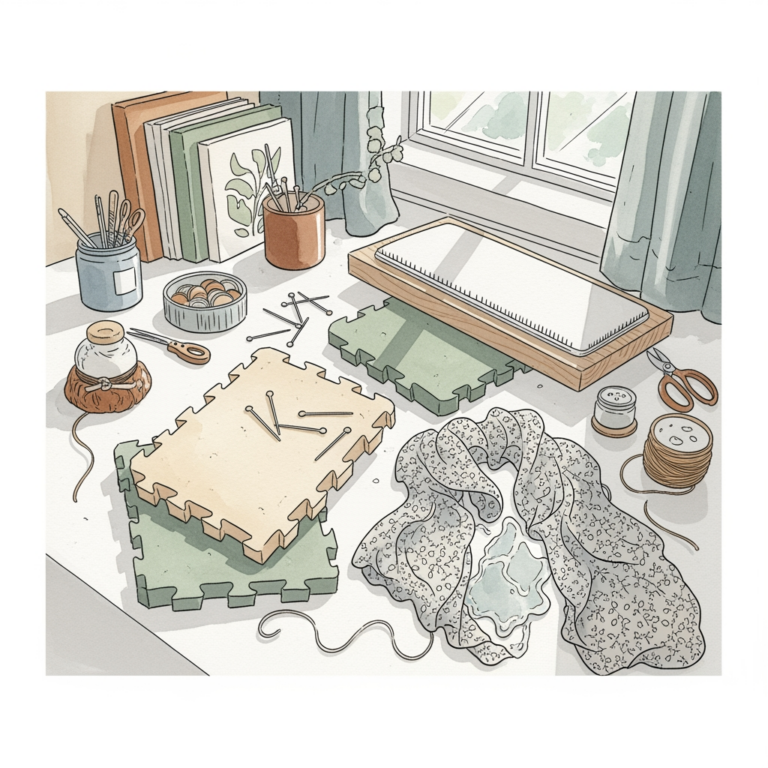
Blocking is the final, non-negotiable step. Once your socks are off the needles, soak them in lukewarm water with a wool wash, then gently stretch them over sock blockers to set the stitches.
This process evens out your tension and allows the fibers to relax into their final, uniform shape. If you don’t have blockers, a simple flat lay with a bit of gentle shaping will do wonders for the final look.
Investing in high-quality wool blends is the most effective way to ensure your hard work stays on your feet rather than in the mending pile. By balancing the natural warmth of wool with the strength of nylon or luxury fibers, you create a garment that is both a joy to knit and a pleasure to wear. Remember that your tension, needle choice, and care routine are just as important as the yarn itself. Start with these recommendations, experiment with your gauge, and enjoy the process of crafting socks that truly last.