6 Best Acid-free Tissue Papers for Yarn Protection
Preserve your yarn with these 6 top-rated acid-free tissues. Learn how archival-quality paper prevents yellowing and fiber degradation for long-term storage.
After spending hundreds of hours crafting a hand-knit heirloom, the last thing you want is for your masterpiece to yellow or weaken in storage. Acid-free tissue paper acts as a vital barrier between your delicate fibers and the damaging environment of a storage bin or cedar chest. Choosing the right paper is just as important as selecting the perfect yarn for your project. This guide breaks down the best archival options to ensure your hard work stays pristine for decades to come.
Archival Methods Acid-Free Tissue: Best Overall
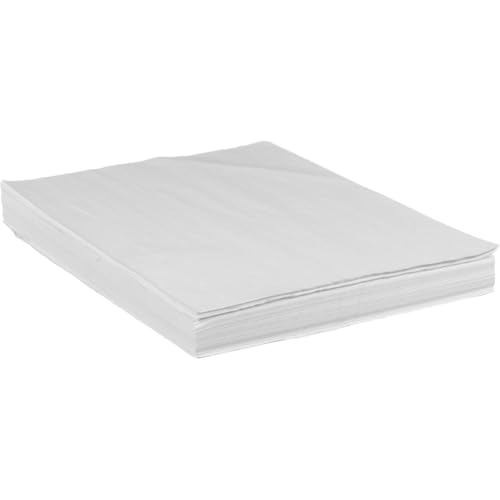

When you need a reliable, do-it-all solution for your entire stash, this is the industry standard. It is thin, lightweight, and completely free of the acidic components that cause paper to turn yellow and brittle over time.
Because it is so versatile, you can use it for everything from bulky wool sweaters to delicate lace shawls. It provides a neutral pH environment that prevents "acid migration," which is the process where harmful chemicals transfer from storage boxes into your precious fibers.
If you are looking for a singular product to protect a diverse collection of yarns and finished garments, this is your best bet. It is widely available and performs consistently across different fiber types.
Lineco Unbuffered Archival Tissue for Protein Fibers

Protein fibers, such as wool, alpaca, and silk, are highly sensitive to the chemistry of their environment. Lineco’s unbuffered tissue is specifically designed for these delicate materials.
The term "unbuffered" means the paper lacks the alkaline reserve found in other archival papers. While buffering is great for cellulose fibers like cotton, it can actually alter the pH balance of protein-based fibers, potentially causing long-term damage or discoloration.
If you have a collection of hand-dyed wools or vintage silk blends, stick to this unbuffered option. It provides a safe, chemically neutral resting place that respects the biological nature of the fiber.
Gaylord Archival Buffered Tissue for Wool Storage

Buffered tissue contains a small amount of calcium carbonate, which acts as a buffer against acidic gases in the air. For most wool projects, this added protection is a significant benefit.
This paper is ideal if you live in an area with high pollution or if you are storing your garments in an older wooden chest. The buffer neutralizes external acidity before it has a chance to reach your yarn.
While some purists worry about the buffer, most modern wools handle this alkaline reserve perfectly well. It is a robust choice for heavy-duty sweaters that need extra defense during long-term storage.
University Products Acid-Free Tissue for Projects

University Products offers a high-quality, translucent tissue that is excellent for wrapping individual projects. Its transparency is a major plus when you have multiple bins of finished items and need to identify them quickly.
This tissue is sturdy enough to handle the weight of a heavy cabled sweater without tearing. It folds beautifully, allowing you to create soft, rounded creases that won’t leave permanent lines in your knitting.
If you are organizing a large collection of finished garments, the ease of use here is unmatched. It feels substantial in the hand, giving you confidence that your work is well-shielded.
Talas Museum Grade Tissue for Long-Term Storage

When you are tucking away a project that you don’t plan to touch for years, Talas offers a level of quality that feels truly professional. This is the same grade of paper used by institutions to preserve historic textiles.
It is exceptionally thin yet remarkably tear-resistant. Because it is so lightweight, it doesn’t add unnecessary bulk to your storage bins, allowing you to stack garments more efficiently without crushing the loft of the yarn.
This is a premium investment, but for a one-of-a-kind lace bridal shawl or a competition-winning garment, it is worth the cost. You are paying for the peace of mind that comes with museum-grade preservation.
Conservation Resources Tissue for Delicate Yarns

Delicate yarns, such as mohair, angora, or fine-gauge cashmere, require a tissue that won’t snag or pull on the fibers. Conservation Resources produces a tissue with a very smooth finish that minimizes friction.
When you wrap a haloed yarn like mohair, you don’t want a paper that will catch on the fuzz. This option is soft and non-abrasive, ensuring that the texture of your yarn remains undisturbed while in storage.
It is a specialized choice, but for those who work with luxury, high-maintenance fibers, it is an essential tool. It keeps your delicate projects looking as soft as the day you bound off.
Why Acid-Free Paper Matters for Storing Knitwear
Acidic paper is the silent enemy of knitwear, leading to yellowing, fiber weakening, and eventual disintegration. Over time, the acid migrates into the yarn, breaking down the molecular structure of the fibers.
This is especially dangerous for natural fibers like wool and cotton. You might not see the damage immediately, but over a few years, you will notice the yarn becoming brittle or losing its natural elasticity.
Using acid-free tissue is the most cost-effective insurance policy you can buy for your knitting. It stops the clock on environmental degradation, keeping your stitches strong and your colors vibrant.
Buffered vs. Unbuffered Tissue: Which to Choose?
The decision between buffered and unbuffered comes down to the fiber content of your project. As a rule of thumb, use buffered tissue for cellulose fibers (cotton, linen, hemp) and unbuffered for protein fibers (wool, silk, alpaca).
Buffered tissue is designed to combat the acidic nature of wood-based storage containers. Unbuffered tissue is safer for animal fibers that could be sensitive to alkaline additives.
If you are ever in doubt, unbuffered is the "safer" neutral choice for mixed-fiber projects. It provides a clean, chemically inert barrier that won’t interfere with the pH of your yarn.
Best Practices for Storing Hand-Knitted Garments
Before storing your garments, always ensure they are freshly laundered and completely dry. Even small amounts of body oils or skin cells can attract pests, regardless of how good your tissue paper is.
Fold your garments carefully, placing sheets of tissue between layers to prevent creases. Avoid over-stuffing your storage containers, as this can compress the yarn and ruin the stitch definition you worked so hard to achieve.
Store your items in a cool, dark, and dry place. Sunlight is just as damaging to yarn as acid, as it causes fading and fiber degradation over time.
How to Prevent Moth Damage and Fiber Degradation
Tissue paper protects against acid, but it won’t stop a moth infestation. Always store your clean knits in airtight containers, such as archival-quality plastic bins or sealed garment bags.
Consider using natural deterrents like dried lavender or cedar blocks inside your storage bins. However, ensure these items do not come into direct contact with your yarn, as their natural oils can sometimes leave marks.
Regular inspection is your final line of defense. Once or twice a year, take your garments out, shake them, and inspect them for any signs of damage to ensure your collection remains safe and sound.
Protecting your hand-knitted treasures is a labor of love that extends well beyond the final bind-off. By selecting the right acid-free tissue and following sound storage principles, you ensure that your work remains a legacy for future generations. Don’t let your hard work fade away; invest in the right archival materials today. Happy knitting, and even happier preserving!