6 Best Yarn Winder Table Mounts For Ergonomic Setup
Optimize your knitting station with these 6 top-rated yarn winders. Discover ergonomic table mounts that improve comfort and streamline your craft projects.
Turning a tangled hank of hand-dyed wool into a tidy, center-pull cake is one of the most satisfying rituals in a knitter’s studio. However, an unstable winder can turn that meditative process into a frustrating struggle against slipping gears and wobbly tables. Choosing the right table mount is the difference between effortless prep and a floor full of yarn barf. Here are the top six winders to help you build an ergonomic, efficient winding station.
Stanwood Needlecraft Large Metal Yarn Winder


The Stanwood Large Metal winder is a workhorse that earns its reputation in studios handling heavy yardage. Its substantial metal gears provide a smooth, consistent rotation that plastic models simply cannot replicate.
Because it handles up to 10 ounces of yarn, it is ideal for those massive skeins of worsted weight wool you use for heavy sweaters. The high-capacity spool ensures you aren’t stopping mid-wind to clear a jam.
The trade-off here is the sheer size and weight of the unit. It requires a sturdy table edge and a bit of space, but for the serious stash-builder, it is an investment in long-term reliability.
Knit Picks Yarn Ball Winder: Best Value Pick
If you are a casual knitter who mostly winds yarn for the occasional scarf or hat, the Knit Picks winder is the gold standard for accessibility. It is lightweight, intuitive, and gets the job done without breaking the bank.
While it lacks the heavy-duty metal construction of more expensive models, it is perfectly adequate for standard fingering or DK weight yarns. It’s a great entry point for beginners learning the mechanics of center-pull cakes.
Be mindful that it performs best when you don’t overstuff the spool. Keep your tension light, and it will serve you faithfully for years of simple projects.
Lacis Wooden Yarn Winder: Premium Choice

There is an undeniable aesthetic appeal to the Lacis wooden winder, but its beauty is backed by genuine mechanical quality. For the knitter who values heirloom-quality tools, this is the centerpiece of a dream craft room.
Beyond the looks, the wooden construction offers a different tactile experience. Many knitters find that the natural materials provide a quieter operation compared to the high-pitched whine of plastic gear systems.
It is a significant financial commitment, so reserve this choice for the dedicated fiber enthusiast. It functions best with delicate fibers like silk or high-end alpaca that deserve a gentle touch.
U-nitt Heavy Duty Yarn Winder: Best Stability
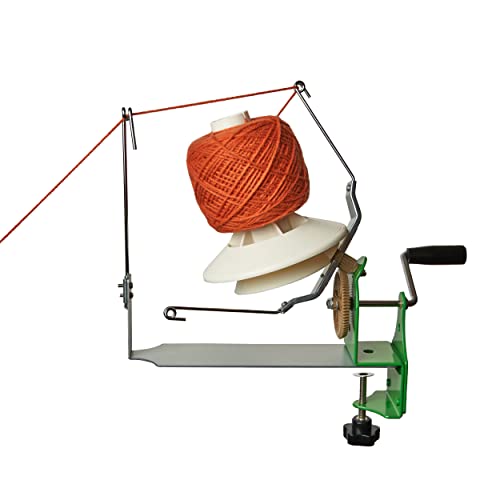
Stability is the secret to a perfect cake, and the U-nitt is designed to stay exactly where you put it. Its robust clamp system minimizes the vibration that often causes cheaper winders to "walk" off the edge of your table.
This model is particularly excellent if you tend to wind while watching a movie or chatting. You won’t have to keep one hand on the unit to steady it, allowing you to focus entirely on guiding the yarn.
If you struggle with hand fatigue or have limited grip strength, the stability of this unit is a game-changer. It removes the physical effort required to keep the winder anchored.
Nancy’s Knit Knacks Heavy Duty Yarn Winder
Nancy’s Knit Knacks is legendary among professional knitters for a reason: they prioritize the mechanics of the wind over everything else. This winder is built for those who process large quantities of yarn regularly.
The tensioning system on this model is superior, allowing you to control the density of your cake with precision. This is vital when winding superwash wool, which can stretch if wound too tightly.
It is an investment in efficiency. If you are a high-volume knitter or a small-scale dyer, the time saved by having a reliable, high-speed winder pays for itself quickly.
ChiaoGoo Yarn Winder: Compact Design Choice
When your knitting space is also your dining room table, you need tools that stow away easily. The ChiaoGoo winder is remarkably compact, making it the perfect choice for apartment living or traveling knitters.
Despite its small footprint, it doesn’t sacrifice performance for portability. It handles standard yarn weights with ease and fits neatly into a project bag or a small drawer when not in use.
It is the ideal balance of functionality and space-saving design. You don’t need a dedicated studio to enjoy the benefits of a professional-grade winding setup.
Why Ergonomic Table Mounts Improve Your Winding
An ergonomic setup isn’t just about comfort; it’s about the health of your hands and wrists. When a winder is mounted at the correct height, you avoid the hunched-over posture that leads to neck and shoulder strain.
Proper mounting also allows for a natural flow of yarn from the swift to the winder. If the alignment is off, you’ll find yourself constantly untangling snags, which creates repetitive, jerky motions that are hard on your joints.
A stable, ergonomic winder allows you to maintain a rhythmic, fluid motion. This consistency results in a better-wound cake that feeds smoothly while you knit, preventing the yarn from snagging on itself.
Essential Tips for Securing Your Winder Safely
Always test your table edge before cranking the handle. A winder mounted on a thin, flimsy surface will vibrate, leading to loose, uneven cakes that collapse when you pull from the center.
Use a small piece of shelf liner or rubber matting between the clamp and the table. This simple trick adds friction, prevents the clamp from marring your furniture, and drastically improves the stability of the unit.
Ensure your swift is positioned at an appropriate distance—not too close, not too far. This prevents sudden jerks in the yarn, which can cause breaks in delicate, single-ply yarns.
How to Maintain Your Winder for Long-Term Use
Treat your winder like any other precision tool. Periodically check for stray fibers caught in the gears, as even a tiny bit of fluff can cause friction and eventually wear down the plastic teeth.
If your winder has metal components, a tiny drop of sewing machine oil on the main gear can keep it running silently. Avoid using heavy household oils, which can attract dust and eventually gum up the mechanism.
When not in use, keep the unit covered or stored in a box. Protecting it from dust and accidental drops is the simplest way to ensure it lasts for decades of knitting.
Troubleshooting Common Yarn Winding Challenges
If your cakes are coming out lopsided, check your yarn guide alignment. The yarn should feed onto the spool at a consistent angle; if it’s too high or low, the cake will lean and eventually tumble.
For slippery yarns like silk or bamboo, you may need to wind slower to prevent the layers from sliding off the spool. These fibers lack the "tooth" of wool and require a more controlled, steady hand.
If you hear a clicking or grinding noise, stop immediately and inspect the gears for debris. Forcing a jammed winder is the fastest way to strip the gears and render the tool useless.
Investing in a quality yarn winder is one of the most practical upgrades you can make for your knitting practice. By choosing a model that fits your space and your volume of work, you transform a chore into a seamless part of your creative process. Take the time to mount your winder properly, and you will enjoy the smooth, tangle-free knitting experience you deserve. Happy winding!