6 Best Ergonomic Knitting Thimbles For Stranded Colorwork
Master stranded colorwork with these 6 ergonomic knitting thimbles. Improve tension, prevent yarn tangles, and reduce hand strain with these top-rated picks.
Stranded colorwork is a beautiful technique, but managing two different yarn colors often leads to tangled fingers and uneven tension. Ergonomic knitting thimbles act as a third hand, keeping your strands separated and flowing smoothly as you work your floats. Investing in the right guide can transform a frustrating project into a meditative, rhythmic experience. Finding the perfect fit is the key to unlocking consistent, professional-looking stitches.
Clover Knitting Thimble: The Best Overall Choice
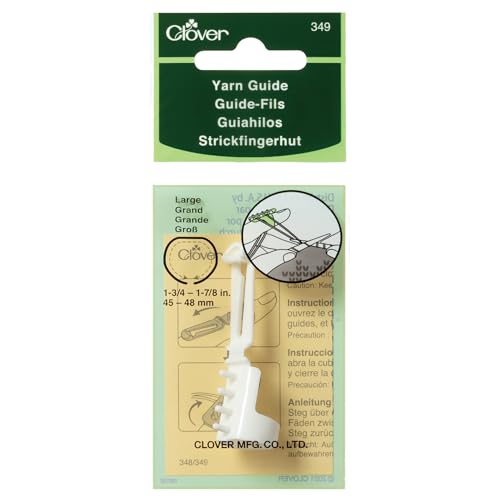

The Clover knitting thimble is a staple in many project bags for a reason: it is simple, reliable, and widely accessible. Its plastic design is lightweight, ensuring you won’t feel weighed down even during long sessions of working a complex Fair Isle yoke.
This thimble features two distinct yarn guides that keep colors separated, which is essential for maintaining even tension across your floats. If you are prone to "yarn vomit" when your strands twist together, this tool effectively eliminates that headache.
Because it is made of smooth plastic, it glides over most wool blends without snagging or friction. However, it may feel a bit stiff for those with very slender fingers, so keep that in mind if you prefer a custom, snug fit.
ChiaoGoo Adjustable Yarn Guide: Best for Comfort

If you have ever felt a thimble digging into your knuckle, the ChiaoGoo adjustable guide is a game-changer. Its open, wire-like structure allows you to bend it to fit your finger perfectly, regardless of your size or how much swelling you experience after hours of knitting.
This flexibility is particularly useful when you are working with different yarn weights. You can easily widen the loop to accommodate a bulky wool or tighten it for delicate lace-weight strands, making it a versatile addition to your kit.
The wire design also means it is incredibly breathable, preventing that clammy feeling that sometimes accompanies solid plastic or silicone tools. It is a minimalist choice that prioritizes long-term comfort over heavy-duty construction.
Pony Knitting Thimble: Best Budget-Friendly Option

The Pony knitting thimble is a fantastic entry point for anyone curious about colorwork but hesitant to invest heavily. It is a no-frills, plastic tool that gets the job done without any unnecessary bells or whistles.
While it lacks the adjustability of more expensive models, it is surprisingly durable and fits most average-sized fingers comfortably. It is an excellent choice for a beginner who wants to test if a thimble actually helps their specific knitting style before upgrading.
Be aware that because it is a fixed size, it may slide around if you have very slender fingers. If you find it slipping, a small piece of grip tape or a thin adhesive bandage inside the ring can provide the stability you need.
Cocoknits Leather Yarn Guide: Best for Natural Material

For those who find plastic or metal tools irritating, the Cocoknits leather yarn guide offers a soft, tactile alternative. Leather molds to your finger over time, creating a custom fit that feels almost like a second skin.
This guide is particularly well-suited for knitters who work with rustic, non-superwash wools that can be "grabby." The leather surface provides a gentle friction that helps control the yarn without the harshness of a metal guide.
It is worth noting that leather will stretch slightly with consistent use. If you appreciate tools that age and adapt to your personal knitting habits, this is a premium investment that feels as good as it looks.
Tulip Knitting Thimble: Best for Precision Tension
The Tulip thimble is engineered for the knitter who obsesses over stitch consistency. Its precise, well-defined yarn slots ensure that your yarn doesn’t jump or skip, which is vital when you are working with slippery fibers like silk or bamboo blends.
The quality of the finish on these thimbles is superior, meaning you won’t have to worry about burrs or rough edges catching your expensive hand-dyed yarns. It is a precision instrument for those who want their colorwork to look like it came off a high-end knitting machine.
While it comes at a higher price point, the durability and smooth yarn flow make it a worthwhile choice for serious colorwork enthusiasts. If you are working on a large-scale project like a traditional Icelandic sweater, the consistency it provides is invaluable.
Addi Knitting Thimble: Best Ergonomic Metal Design
Addi is known for their high-quality needles, and their metal thimble carries that same reputation for engineering excellence. The metal construction is incredibly smooth, allowing yarn to zip through the guides with minimal drag.
The ergonomic shape is designed to sit comfortably on the finger without interfering with your tension or the movement of your needles. It is a robust tool that will easily survive being tossed in a project bag for years to come.
Because it is metal, it is slightly heavier than plastic options, which some knitters find adds a nice, grounded feel to their hand movements. It is an excellent choice if you prefer a tool that feels substantial and permanent.
Why Ergonomic Thimbles Improve Colorwork Speed
Colorwork requires you to manage two or more strands simultaneously, which can be an ergonomic nightmare for your hands. Without a guide, your fingers often become cramped from trying to keep the tension even while preventing the yarns from tangling.
A thimble acts as an external tensioning device, allowing your fingers to relax. When your hands aren’t working overtime to grip and separate the yarn, you can focus entirely on the rhythm of your stitches, which naturally increases your speed.
By standardizing the distance between the yarn and the needle, you also achieve more uniform floats. This is the secret to avoiding the dreaded "puckering" that ruins the drape of a beautiful stranded garment.
How to Properly Fit a Thimble for Your Finger
A thimble should feel like an extension of your finger, not a restrictive shackle. It needs to be snug enough to stay in place while you knit, but loose enough to allow for normal blood flow and movement.
If you are choosing an adjustable model, start by fitting it to your index finger—the most common placement for colorwork guides. Once adjusted, try a few rows of plain stockinette to ensure it doesn’t pinch your skin or catch on the yarn as you move.
Don’t be afraid to experiment with different fingers. Some knitters find that wearing the thimble further down toward the base of the finger provides more stability, while others prefer it closer to the knuckle for better reach.
Troubleshooting Common Colorwork Tension Issues
If your colorwork looks uneven even with a thimble, the issue might be your "float management." Floats that are too tight will pull the fabric inward, while floats that are too loose will snag on your fingers or buttons.
Try to keep your floats consistent by stretching the stitches on your right-hand needle before moving to the next color. A thimble helps here by keeping the tension constant, but you still need to ensure you are not pulling the yarn too aggressively.
If you find your colors are still bleeding or the tension is off, double-check your gauge. Sometimes, using a slightly larger needle for the colorwork section than you used for the ribbing can compensate for the tighter tension typical of stranded knitting.
Essential Tips for Managing Multiple Yarn Strands
When knitting with two colors, always hold the dominant color in a consistent position. If you are using a thimble, keep the dominant color in the same guide slot for the entire project to maintain a uniform look.
If your yarns are still twisting, try alternating the direction in which you turn your work at the end of each row. This simple trick can "untwist" the yarns as you go, preventing a tangled mess from forming at the base of your needles.
Remember that different fibers have different "memory" and grip. If you are mixing a slippery alpaca with a grippy wool, you may need to adjust your thimble tension to accommodate the difference in how each yarn feeds through the guide.
Finding the right thimble is a personal journey that depends as much on your hand anatomy as it does on your knitting style. Start with an affordable model to see how the mechanics improve your rhythm, then upgrade to a material that feels best for your skin. Once you find your perfect match, you will wonder how you ever managed those complex colorwork charts without one. Happy knitting, and may your floats always be perfectly tensioned.