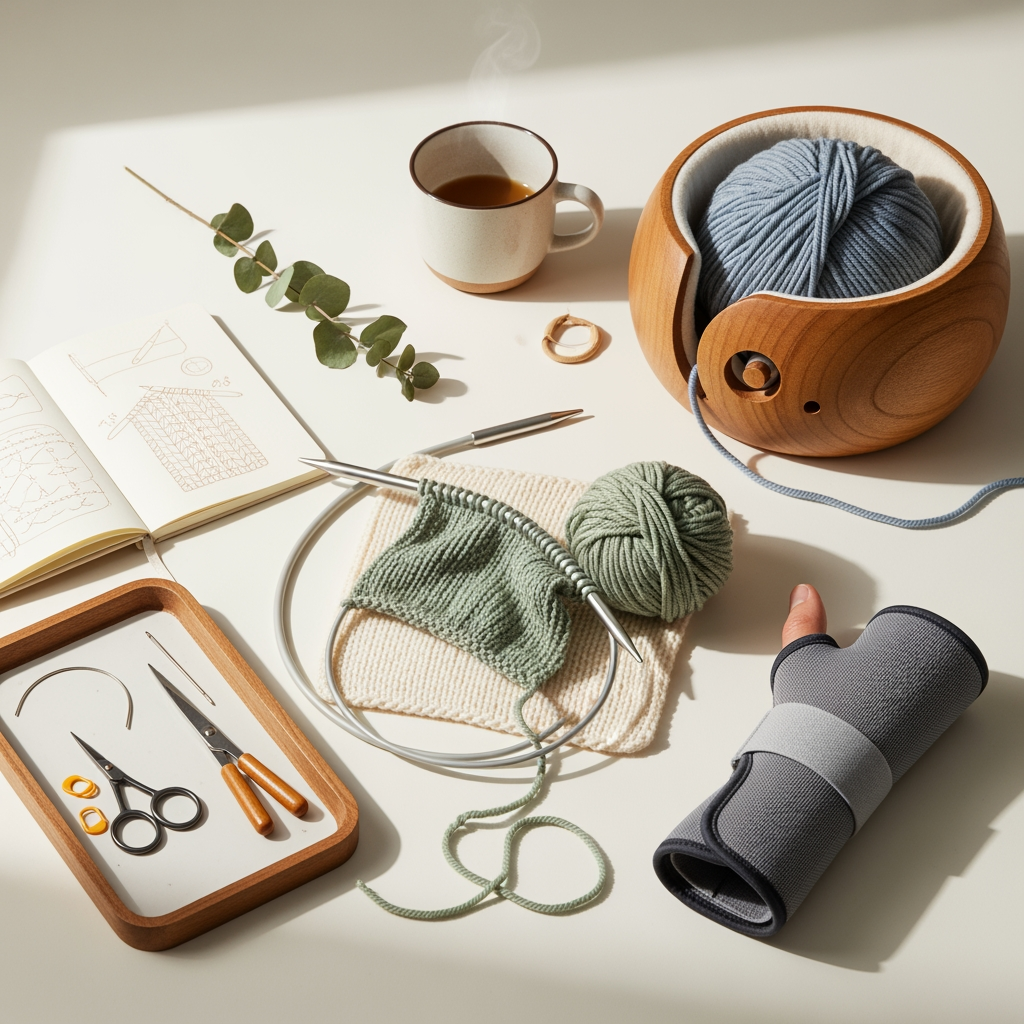
6 Best Sheepskin Seat Covers for Knitting Chairs
Discover the 6 best sheepskin seat covers for knitting chairs. Enhance your comfort and posture during long sessions with these cozy, durable, top-rated picks.
As a knitter, you likely spend hours hunched over your circular needles, focusing on the tension of every stitch. A good sheepskin seat cover transforms your knitting chair from a basic piece of furniture into a supportive, ergonomic sanctuary. These natural fibers do more than look cozy; they provide the tactile comfort and structural relief necessary for long sessions of stranded colorwork or complex cables. Choosing the right one is as essential as selecting the perfect wool for your next heirloom project.
Sheepskin World Premium Icelandic: Best Overall


This pelt is the gold standard for those who spend entire weekends working through a complicated lace shawl pattern. The Icelandic sheepskin is renowned for its dual-layer coat, featuring long, coarse guard hairs and a soft, insulating undercoat.
For the knitter, this provides a unique balance of breathability and structure. Unlike synthetic covers that can trap heat and make you sweat during high-concentration moments, this natural fiber regulates temperature exceptionally well.
If you are prone to fidgeting while managing multiple balls of yarn, the dense, high-pile nature of this pelt keeps you firmly in place. It offers a consistent, stable base that prevents the "sliding" sensation often felt on leather or fabric chairs.
Auskin Long Wool Single Pelt: Best for Comfort
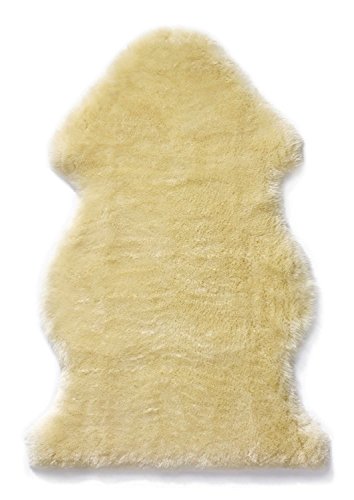
When you are deep into a project involving fine-gauge wool or delicate mohair, physical comfort is non-negotiable. The Auskin long wool pelt is exceptionally plush, providing a cushioned layer that absorbs the pressure of sitting for hours.
This is particularly helpful if your knitting chair has a firm, unforgiving seat. The long wool fibers act like a natural spring, distributing your weight evenly and reducing the fatigue that creeps into your lower back during long casting-on sessions.
Keep in mind that long wool requires a bit more maintenance to keep it from matting. A quick brush with a wire slicker brush after your knitting session will keep the pile lofty and inviting for your next round of work.

Overland Sheepskin Co. Rug: Best Luxury Choice

If your knitting nook is your primary retreat, investing in an Overland sheepskin is akin to choosing high-quality, hand-dyed silk for a special garment. These pelts are curated for thickness and a uniform, silky hand-feel that is unmatched by mass-market alternatives.
The density of the wool here provides superior support for your hips and thighs. This is a game-changer when you are working on heavy, weighted projects like thick wool blankets that sit in your lap and put extra strain on your posture.
While the price point is higher, the durability of these pelts is significant. Think of it as a long-term investment in your physical well-being, much like buying a set of high-end interchangeable needles that will last a lifetime.
Safavieh Natural Sheepskin: Best Value Pick
Not every knitter has the budget for top-tier luxury, and the Safavieh option proves that you don’t need to break the bank to improve your setup. This is a reliable, entry-level pelt that offers the essential benefits of natural sheepskin without the premium price tag.
It is ideal for a secondary knitting spot, perhaps a chair in a guest room or a corner of the living room. It provides enough padding to make a standard wooden chair comfortable for an hour or two of sock knitting.
The trade-off here is usually in the density of the wool; it may not be as thick as the luxury options. However, for a beginner or for someone who knits in shorter bursts, it provides a perfectly functional and tactile upgrade.
UGG Pure Sheepskin Throw: Best Soft Texture
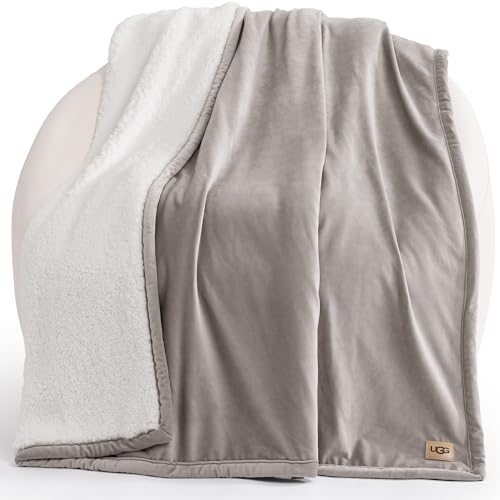
The UGG brand is synonymous with comfort, and their sheepskin throws carry that same reputation into your craft room. The texture is incredibly soft, which is a wonderful sensory experience when you are working with scratchier, rustic wools or rugged, untreated yarns.
Because this is designed with a focus on softness, it feels less "structural" than a heavy Icelandic pelt. It is perfect for draped seating, adding a layer of warmth that makes the entire room feel more conducive to creativity.
If you find that your hands get cold while knitting in the winter, the ambient warmth provided by this throw is a massive benefit. It essentially turns your chair into a heated seat, keeping your circulation flowing so your fingers stay nimble.
Bowron Merino Sheepskin: Best Ergonomic Support
Merino wool is the gold standard for softness in knitting, and it is equally impressive in a sheepskin format. Bowron’s Merino pelts are exceptionally dense, providing a firm, supportive surface that helps maintain proper spinal alignment.
Proper posture is the secret to avoiding the neck and shoulder pain that plagues many experienced knitters. By sitting on a firm, high-density Merino pelt, you elevate your hips slightly, which encourages a more upright, neutral spine while you work.
This is the best choice for those who suffer from chronic back pain or who spend hours working on intricate cabling. The firm support combined with the natural elasticity of the wool creates a base that is both comfortable and corrective.
Why Sheepskin Chairs Improve Knitting Posture
Knitting is a repetitive motion sport, and your chair is your primary piece of equipment. Without proper support, it is easy to succumb to "knitter’s slouch," where your shoulders roll forward and your chin drops to your chest.
A sheepskin cover adds a layer of "give" that standard chair foam lacks. It conforms to your body, reducing pressure points that cause you to shift and adjust your position constantly.
- Weight Distribution: Natural wool fibers act as thousands of tiny springs.
- Thermal Regulation: Consistent temperature prevents the tension that comes from being too cold or too hot.
- Stability: The natural friction of the wool keeps you from sliding, maintaining your focus on the project.
How to Maintain Your Sheepskin for Long Use
Sheepskin is a natural fiber, and like the wool you knit with, it requires care to prevent matting and dirt buildup. The most important tool in your arsenal is a wire slicker brush, similar to those used for grooming pets.
Brush the wool in the direction of the grain after each knitting session to keep the fibers separated and fluffy. If you notice a spill, spot-clean it immediately with a damp cloth and a mild wool-safe detergent, avoiding harsh chemicals that strip the natural lanolin.
- Avoid Heat: Never place your sheepskin near a radiator or in direct, harsh sunlight.
- Shake it Out: A vigorous weekly shake removes dust and keeps the pile lofty.
- Professional Cleaning: For deep cleaning, seek a professional leather or fur cleaner to preserve the pelt’s integrity.
Natural vs. Faux Sheepskin for Fiber Artists
As someone who works with natural fibers, I always advocate for the real thing. Natural sheepskin has a unique, three-dimensional structure that synthetic faux furs simply cannot replicate.
Faux fur is often made from polyester or acrylic, which are essentially plastic. They lack the moisture-wicking properties of real wool and can become uncomfortably warm and static-prone during long sessions.
- Breathability: Real wool allows airflow; plastic traps heat.
- Durability: Natural pelts don’t "pill" or melt like synthetic fibers.
- Tactile Experience: The lanolin in real sheepskin provides a subtle, calming scent that enhances the meditative quality of knitting.
Choosing the Right Size for Your Knitting Chair
Before purchasing, take a moment to measure the seat of your chair, including the backrest if you plan to drape the pelt over the entire surface. A single pelt is usually sufficient for a standard dining chair or a small accent chair.
If you have a wider, overstuffed armchair, you might consider a double or even a "quad" pelt to ensure full coverage. You want the sheepskin to stay in place without bunching up, as a shifting pelt can actually interfere with your posture.
If your chair has a curved back, look for pelts that have been tanned to be more pliable. A stiff pelt will fight against the shape of the chair, while a well-tanned one will wrap beautifully, providing support exactly where your back needs it most.
Investing in a quality sheepskin seat cover is one of the most underrated ways to improve your knitting experience. By providing ergonomic support and a tactile, comfortable environment, these pelts allow you to focus entirely on your stitches rather than your discomfort. Choose a pelt that suits your specific chair and seating style, and your body will thank you during those long, productive hours at the needles. Happy knitting, and may your tension always be perfectly even.