7 Best Drying Racks For Hand-knit Garments Reviewed
Proper care extends your knitwear’s life. We review 7 top drying racks to help you find the best options for shaping and protecting your hand-knit garments.
After spending hundreds of hours perfecting the tension on a complex cable-knit sweater, the last thing you want is for it to lose its shape during the wash. Proper drying is the final, critical step in the knitting process that transforms a collection of stitches into a professional-looking garment. Choosing the right drying rack ensures your handiwork retains its intended dimensions and drape for years to come. This guide breaks down the best tools to protect your hard-earned fiber investments.
IKEA Mulig: The Best Budget-Friendly Drying Rack
The IKEA Mulig is a staple for a reason: it’s incredibly affordable and gets the job done without any unnecessary frills. If you are just starting your knitting journey and aren’t ready to invest in high-end equipment, this rack provides a stable, no-nonsense platform for your projects.
Because it is made of steel, it is sturdy enough to hold heavier wool sweaters without bowing. While it doesn’t have a dedicated flat-drying mesh, you can easily drape a clean towel over the bars to create a safe, breathable surface for your knits.
Keep in mind that the bars are narrow, so you must be careful not to leave heavy garments hanging vertically, which could cause them to stretch out of shape. For the price, it’s an unbeatable entry-level tool that respects your budget while keeping your sweaters off the floor.
Honey-Can-Do Folding Rack: Best Space Saver
If your knitting studio is also your living room, the Honey-Can-Do Folding Rack is a lifesaver. It collapses into a slim profile that can slide behind a door or under a bed, making it perfect for those of us living in apartments or shared spaces.
The accordion-style design allows you to adjust the footprint based on how many items you are drying. When I’m blocking a set of lace shawls, I can expand it to its full width, but for a single pair of socks, it stays compact and out of the way.
The trade-off here is stability; it isn’t designed for heavy, wet, oversized blankets. Stick to lighter-weight projects like fingering-weight cardigans or baby clothes, and you’ll find it to be an incredibly efficient use of your limited square footage.
Songmics Bamboo Rack: Best Eco-Friendly Option
For the knitter who prioritizes sustainability, the Songmics Bamboo Rack is a beautiful, functional choice. Bamboo is naturally moisture-resistant, which is a significant advantage when you are dealing with damp, heavy woolens that need to dry slowly.
Beyond its environmental credentials, bamboo is lightweight yet surprisingly strong. It provides a more aesthetic look than standard white-coated wire racks, fitting seamlessly into a home where knitting tools are often left out in the open.
However, bamboo can be prone to splintering if it isn’t cared for properly over many years. Always ensure your garments are damp rather than dripping wet before laying them out to prevent unnecessary water exposure to the wood.
Whitmor Portable Rack: Best for Small Spaces
The Whitmor Portable Rack is a clever solution for those who need a drying surface that fits on top of a table or countertop. If you don’t have floor space for a traditional rack, this elevated option allows you to block your knits at a comfortable height.
This rack is particularly useful for smaller items like hats, mittens, or cowls. Because it sits higher up, you aren’t bending over, which is a huge relief when you’re spending time pinning down delicate lace edges or adjusting the symmetry of a neckband.
It is not suitable for full-sized sweaters, so don’t try to force a large project onto it. Think of this as a specialized tool for your accessories and smaller garments that require precise, careful shaping.
Household Essentials Rack: Best Heavy-Duty Pick
When you are knitting with heavy, high-ply wool or working on a large-scale project like an adult-sized fisherman’s sweater, you need a rack that won’t buckle under the weight. The Household Essentials rack is built with a sturdier frame that handles moisture-laden garments with ease.
This rack features a wider surface area, which is vital for maintaining the structure of heavy items. When a sweater is soaked, it can easily double in weight; this rack’s reinforced joints provide the necessary support to keep your project from sagging.
It is heavier and takes up more room than the budget options, so it’s best for knitters who have a dedicated laundry area. If you frequently work with bulky yarns, this is the reliable workhorse your collection needs.
Gulliver Drying Rack: Best for Large Sweaters
The Gulliver rack is a favorite among knitters for its generous size and thoughtful design. It offers a large, flat surface area that is essential for blocking oversized sweaters without having to fold them into awkward, distorted shapes.
The height is adjustable, which is a fantastic feature if you have back issues or simply want to avoid hunching over while you pin your work. It provides enough room to lay out a sweater flat, ensuring that the sleeves and body remain perfectly aligned as they dry.
It is an investment piece, but the longevity and the extra space it provides for large projects make it well worth the cost. For the serious knitter, this rack is the gold standard for maintaining the integrity of large, complex garments.
AmazonBasics Foldable Rack: Best Overall Value
The AmazonBasics Foldable Rack is the quintessential middle-ground option for most knitters. It balances durability, size, and price in a way that makes it a reliable choice for everything from delicate lace to sturdy cotton tees.
It features enough horizontal bars to allow for decent airflow, which is crucial for preventing that "wet wool" smell that can occur if a garment takes too long to dry. It is easy to set up and fold away, making it a versatile addition to any home.
While it lacks the heavy-duty reinforcement of more expensive models, it is more than sufficient for the average knitter’s wardrobe. It’s a dependable, no-nonsense tool that consistently delivers good results for a variety of fiber types.
Why Flat Drying Is Essential for Hand-Knits
Never hang a wet hand-knit on a standard clothes hanger. Gravity is the enemy of wet fiber; the weight of the water will pull on the stitches, causing the fabric to grow and lose the specific gauge you worked so hard to achieve.
When you dry flat, you allow the garment to retain the dimensions you set during the blocking process. This is especially critical for animal fibers like wool, alpaca, and mohair, which have a natural elasticity that can be permanently altered if stretched while wet.
Even plant fibers like cotton or linen, which are less elastic, can become distorted if left to hang. Flat drying ensures that your neckline stays crisp and your hem remains even, preserving the intended fit of your design.
How to Properly Block Your Knitted Garments
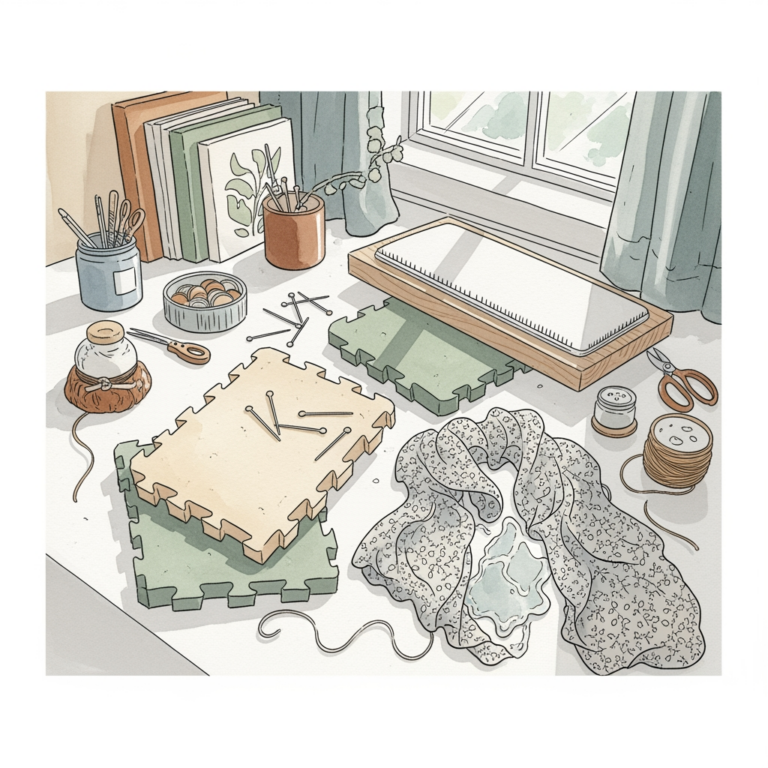
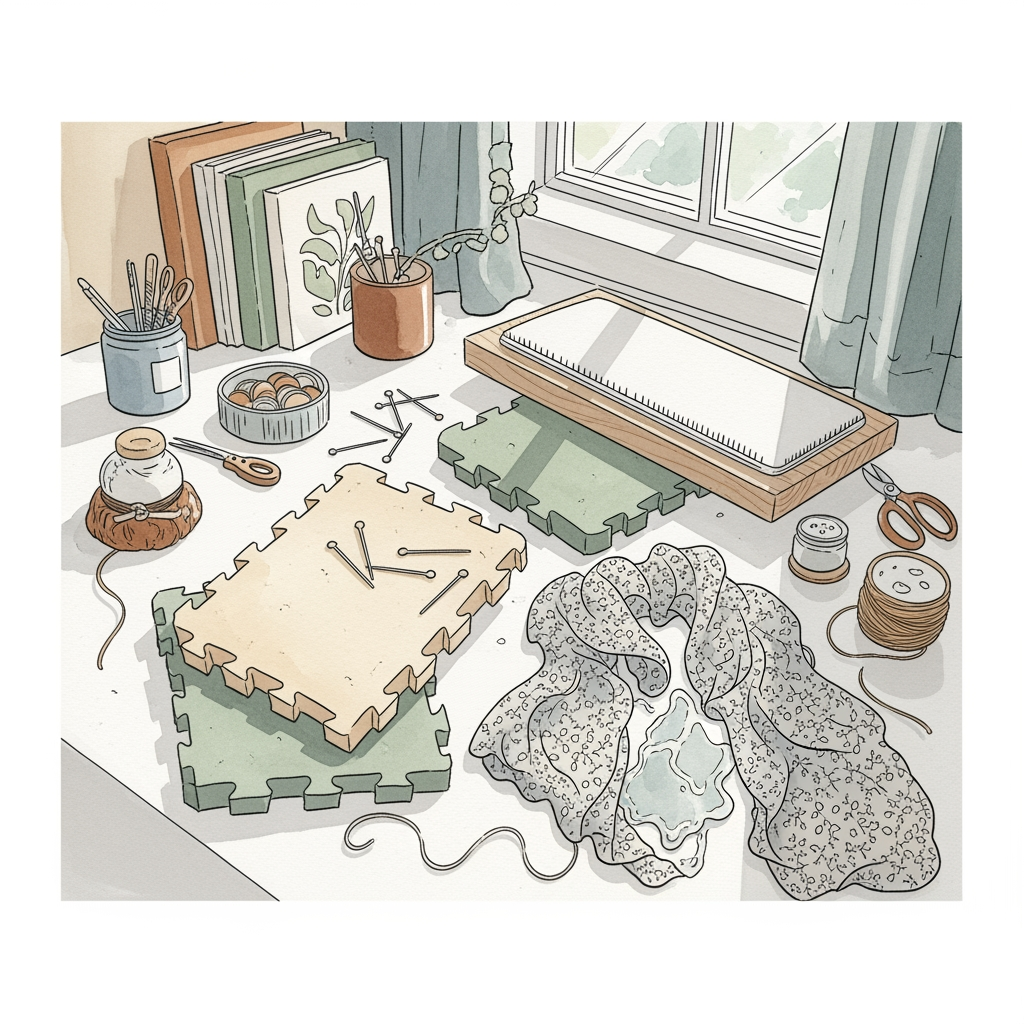
Blocking is the process of wetting your finished knit and gently shaping it to its final dimensions. Start by soaking your garment in lukewarm water with a wool wash, then gently squeeze out the excess water by rolling it in a clean, absorbent towel.
Once the garment is damp, lay it flat on your drying rack. Use your hands to smooth out the fabric, ensuring that cables are popped, lace is opened up, and the overall shape is symmetrical.
For more structured garments, you may want to use rust-proof T-pins to secure the edges to a blocking mat or the rack itself. Always let the piece air-dry completely; never use heat, as it can felt your wool or damage delicate fibers.
Essential Tips for Maintaining Your Knitwear
- Avoid direct sunlight: UV rays can fade vibrant hand-dyed yarns and make fibers brittle over time.
- Check your water: Always use a gentle wool wash; harsh detergents can strip natural oils from wool, making it scratchy.
- Patience is key: Never try to speed up the drying process with a hairdryer or by placing the rack too close to a heater.
- Store flat: Once dry, store your sweaters folded in a drawer rather than hanging them to prevent shoulder bumps and stretching.
Investing in a quality drying rack is just as important as choosing the right needles or the perfect yarn. By taking the time to block and dry your garments properly, you protect the hours of labor you’ve poured into every stitch. Choose a rack that fits your space and your project load, and your hand-knits will reward you with years of beautiful wear. Happy knitting, and may all your projects dry perfectly flat.