6 Best Bamboo Rolling Mats For Seamless Felt
Discover the 6 best bamboo rolling mats for seamless felt. Learn how these essential tools ensure even pressure and perfect consistency for your craft projects.
Wet felting is an art form that demands both patience and the right mechanical support to transform loose wool fibers into a cohesive, durable fabric. Just as choosing the right needle material can dictate the tension of your knitting, selecting a high-quality bamboo mat is the difference between a smooth, seamless finish and a lumpy, uneven mess. These mats provide the essential friction needed to agitate fibers without damaging the integrity of your work. Here is how to choose the best tool to elevate your felting projects.
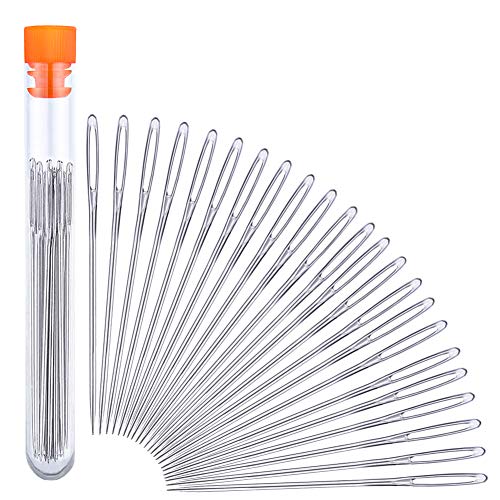

BambooMN Premium Natural Bamboo Rolling Mat

This mat is a staple for those who prioritize a lightweight, flexible tool that conforms easily to small-scale projects. Its thin slats allow you to feel the resistance of the wool beneath your hands, which is vital when you are just learning to gauge the progress of your felting.
The spacing between the bamboo slats is tight, which prevents the wool fibers from catching or snagging during the rolling process. If you have ever felt your yarn snag on a rough wooden needle, you know how frustrating it is to have your rhythm interrupted; this mat avoids that issue entirely.
Bottom line: It is an excellent entry-level choice for delicate items like jewelry or small decorative appliques.
SUSHIAID Professional Grade Bamboo Felting Mat
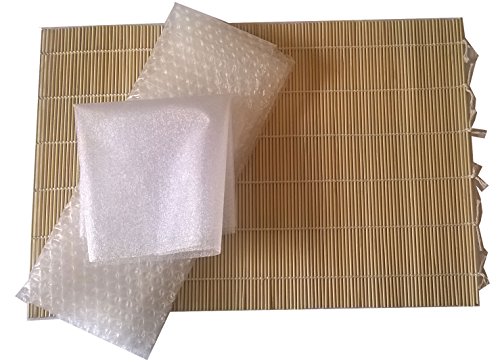
When you move on to larger, more ambitious projects like felted bags or structural pieces, you need a mat that can withstand significant physical pressure. The SUSHIAID mat is constructed with thicker, more robust bamboo, providing a stable surface that won’t buckle under your weight.
The durability here is reminiscent of a high-quality set of rosewood needles—it’s built to last through years of repetitive motion. You won’t find the slats warping or snapping, even if you are using a heavy-duty rolling technique to speed up the fulling process.
Bottom line: Invest in this if you are graduating from small crafts to larger, more labor-intensive felting projects.
Ebuns Durable 100% Natural Bamboo Rolling Mat

Consistency is everything in fiber arts, and the Ebuns mat offers a very uniform surface texture that helps in achieving even shrinkage across your fabric. If your project has a mix of different wool breeds, this mat helps manage the varying rates of contraction effectively.
The string lacing is reinforced, meaning the mat maintains its rectangular shape even after being soaked repeatedly. Just as you wouldn’t want your circular needles to have a kinked cable, you don’t want a mat that loses its structural integrity mid-project.
Bottom line: A reliable, no-nonsense tool that keeps your work square and consistent every time.
Totally Bamboo Reusable Sushi Rolling Mat
Don’t let the name fool you; the density of this bamboo makes it an ideal candidate for aggressive felting. The bamboo is carbonized, which gives it a slightly smoother finish that resists moisture absorption better than raw bamboo.
This is a great option if you find yourself working with fibers that tend to "stick" to surfaces, like certain long-wool breeds. It provides just enough grip to encourage the fibers to lock together without holding onto them so tightly that you lose your progress.
Bottom line: The carbonized finish makes this the easiest mat to keep clean and mildew-free over the long term.
Helen’s Asian Kitchen Bamboo Rolling Surface
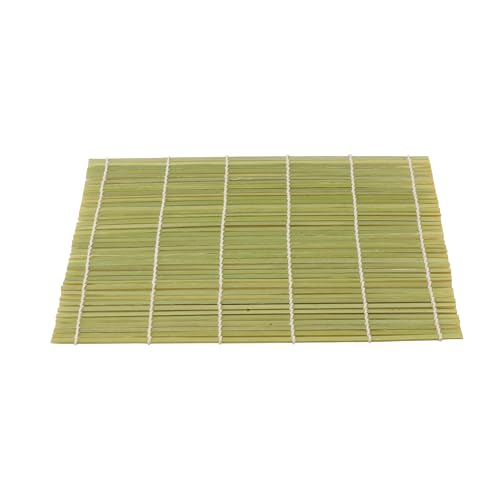
This mat features a slightly wider slat profile, which creates a distinct "waffle" texture on the surface of your felted piece. If you are looking to add subtle decorative ridges or tactile interest to your fabric, this mat acts as a tool for both construction and design.
It is surprisingly pliable, making it perfect for rolling up long, narrow projects like scarves. Think of it like using a flexible cable needle; it bends to accommodate your work rather than forcing the work to conform to a rigid surface.
Bottom line: Choose this if you want to incorporate texture into your felting process while maintaining ease of use.
BirdRock Home Organic Bamboo Felting Mat
If you are particularly sensitive to chemical treatments or glues, this organic option provides peace of mind. The bamboo is untreated, which means it has a natural, grippy texture that is highly effective for getting fibers to "bite" into each other quickly.
Because it is organic, the bamboo is porous and will absorb water, so it is essential to let it dry completely between uses. Treat this with the same care you would give a hand-dyed wool skein; keep it away from direct heat to prevent the bamboo from splitting.
Bottom line: The best choice for the eco-conscious maker who wants a natural, high-friction surface.
Why Bamboo Mats are Essential for Wet Felting
Wet felting relies on friction, heat, and moisture to rearrange scales on wool fibers until they interlock. A bamboo mat acts as a mechanical agitator, providing a corrugated surface that forces the fibers to move and tangle without you having to manually rub every square inch.
Without a mat, you are essentially relying on your own palms, which is exhausting and often leads to uneven results. Just as a knitting gauge helps you predict the final size of a sweater, the mat ensures the felting process happens uniformly across the entire surface area.
- Uniformity: Ensures even shrinkage.
- Efficiency: Drastically reduces the time required for fulling.
- Structure: Helps maintain straight edges and flat surfaces.
How to Properly Clean Your Bamboo Felting Mat
Bamboo is a natural fiber, and like the wool you are felting, it can be damaged by improper care. After every session, rinse your mat thoroughly in cool water to remove all traces of soap and loose wool fibers.
Never leave your mat submerged in water, as this will lead to warping and mold growth. After rinsing, pat it down with a clean towel and lay it flat to air dry in a well-ventilated area, just as you would block a delicate lace shawl.
- Avoid Harsh Chemicals: Stick to mild soap if necessary.
- Dry Completely: Prevent mildew by ensuring the inner strings are dry.
- Store Flat: Keep it away from heavy objects that could distort the shape.
Technique Tips for Achieving Seamless Felt
The key to a seamless felt is the "rolling" technique, where you wrap your project tightly in the mat and roll it back and forth. Apply firm, even pressure, but remember that the mat is doing the work—don’t over-exert yourself or you will crush the fibers rather than matting them.
Rotate your project frequently, just as you would turn your work when knitting flat, to ensure the edges don’t become thin or weak. If you are working on a larger piece, unroll it every few minutes to check for thinning spots or unwanted folds.
- Start Gentle: Use light pressure until the fibers begin to grab.
- Increase Intensity: Gradually apply more pressure as the felt firms up.
- Change Directions: Rotate the project 90 degrees to ensure even felting in all directions.
Troubleshooting Common Wet Felting Mat Issues
If your felt is sticking to the mat, you likely have too much soap or your fibers haven’t been laid out thickly enough. If the mat is leaving marks on your fabric, try placing a thin piece of mesh or tulle between the wool and the bamboo; this acts like a guard, similar to using a point protector on your needles.
If your mat starts to smell, it is likely trapping moisture or soap residue. Give it a deep clean with a vinegar-water solution to neutralize odors and kill any developing bacteria.
- Slipping: If the mat slides, place a non-slip shelf liner underneath it.
- Snagging: If the bamboo is splintering, sand it down gently with fine-grit sandpaper.
- Uneven Felt: Check your rolling pressure and ensure you are rotating the project often.
Selecting the right bamboo mat is a fundamental step in mastering the craft of wet felting. By understanding the friction, flexibility, and durability of your tools, you can move from simple projects to complex, professional-grade textiles with confidence. Treat your mat with the same respect you give your favorite needles, and it will serve you faithfully for years of creative exploration. Happy felting!