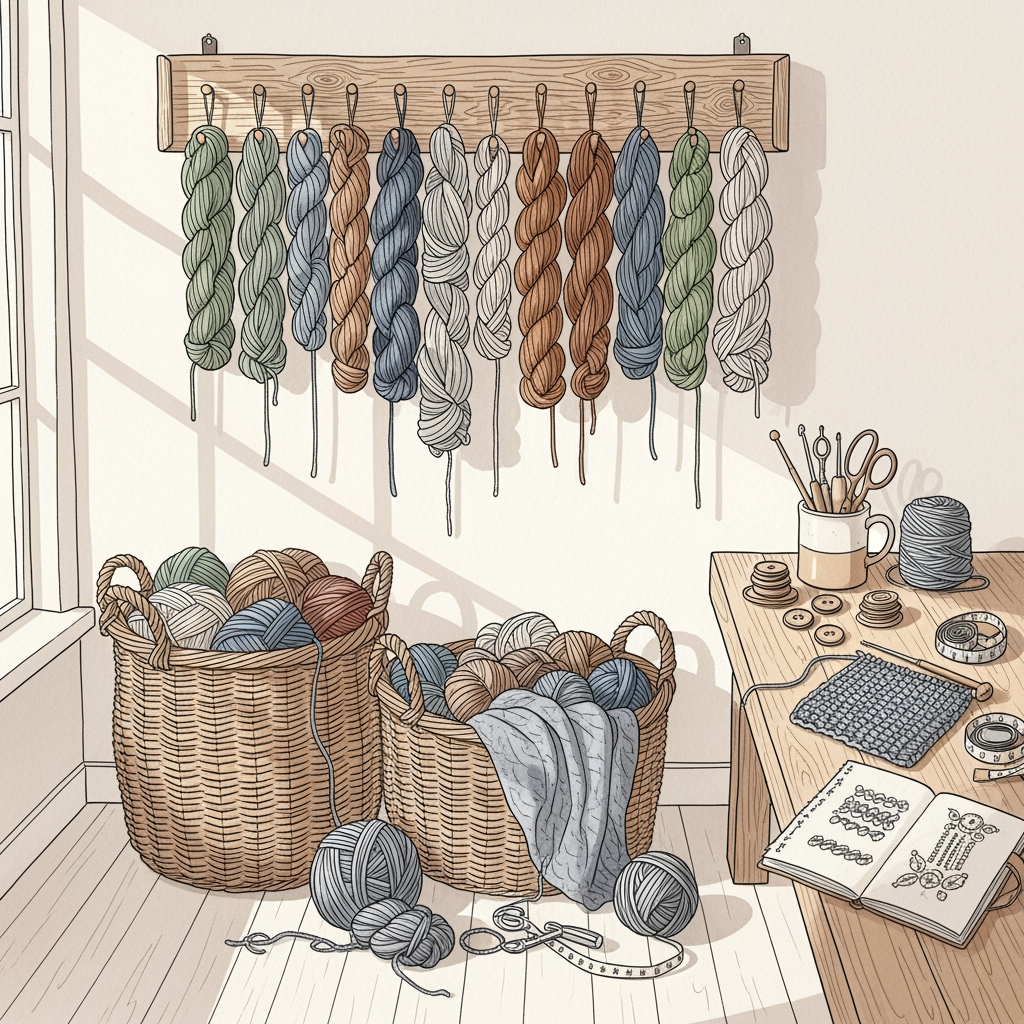
6 Best Hanging Racks For Yarn Samples To Organize
Struggling with yarn clutter? We review the 6 best hanging racks to organize your samples efficiently, ensuring your collection stays tidy and accessible.
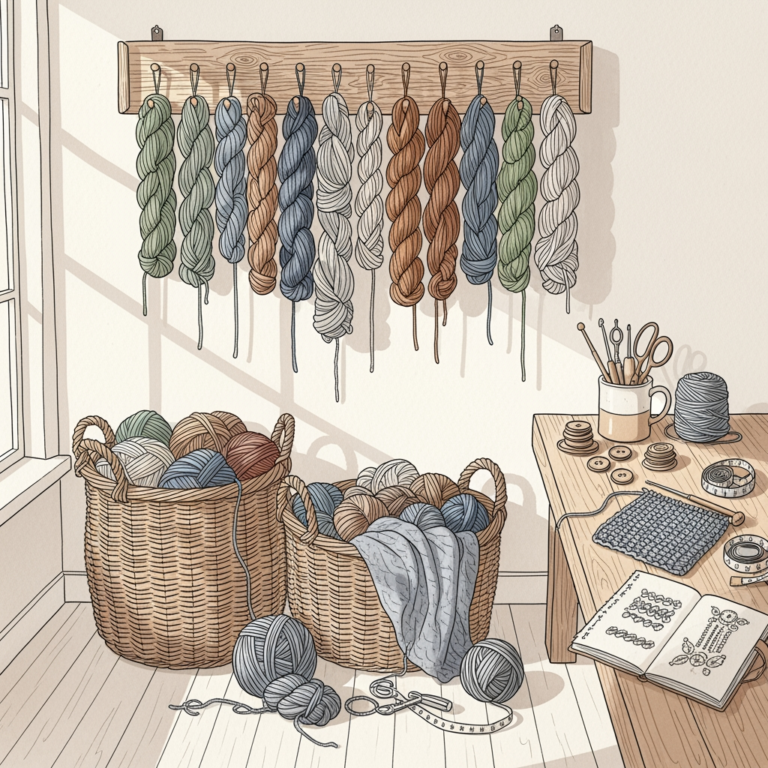
Every knitter eventually faces the "yarn sample dilemma," where beautiful scraps from past projects pile up in bins, losing their utility and inspiration. Organizing these samples isn’t just about aesthetics; it’s about having a tactile library of weight, texture, and color at your fingertips. By hanging your samples, you transform forgotten remnants into a functional design tool for your next project. Here are the best ways to get those precious fibers out of the dark and onto your walls.
IKEA SKÅDIS Pegboard: Best Customizable Option
The SKÅDIS pegboard is a staple in many dedicated craft rooms for a reason: it adapts as your stash evolves. Instead of being locked into a fixed rack, you can use a variety of hooks, clips, and small shelves to arrange your yarn samples exactly how you like them.
For a knitter working with diverse weights—from lace-weight mohair to chunky wool—this is a game-changer. You can group samples by fiber content or color gradient, using the pegs to hold small tags that note the yardage and WPI (wraps per inch).
The trade-off is the initial setup time required to curate the layout. If you prefer a "grab-and-go" solution, the modularity might feel like a chore, but for those who love to reorganize, it’s the ultimate creative canvas.
mDesign Wall Mount Rack: Best for Small Spaces


If your knitting space is limited to a corner of the living room or a small desk, vertical wall mounts are your best friend. The mDesign rack offers a slim profile that keeps samples off your workspace while keeping them visible.
This is particularly useful for keeping your "go-to" yarns for swatching within arm’s reach. When you are deciding between a superwash merino or a rustic Highland wool for a new sweater, having the samples hanging side-by-side helps you compare the "bloom" and drape of each fiber instantly.
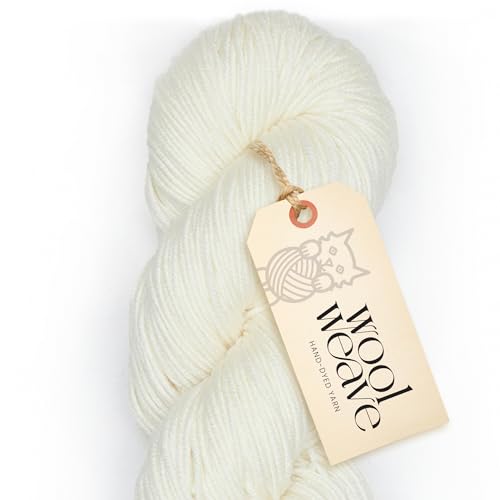
Just be mindful of the weight; these racks are best for smaller, lighter samples rather than full skeins. Overloading them can lead to a cluttered look that makes it harder to identify the specific yarn you need.
Spectrum Diversified Grid: Best for Visibility
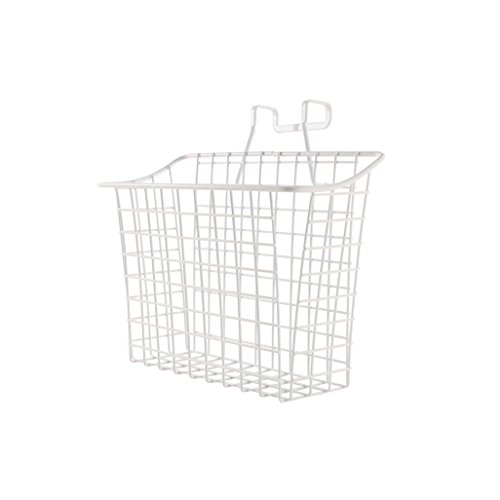
Grid-style racks are the workhorses of the fiber arts world. They allow you to see every single sample at once, which is vital when you are planning stranded colorwork and need to ensure your color palette has enough contrast.
Because the grid is open, your yarn can "breathe," which is a significant benefit for natural fibers that shouldn’t be trapped in plastic bins. You can easily clip samples to the grid using simple binder clips or S-hooks.
The downside is that they can look a bit industrial. If your craft space is also your main living area, you might want to choose a grid with a clean, matte finish to keep it looking intentional rather than utilitarian.
Honey-Can-Do Entryway Hook: Best Budget Choice
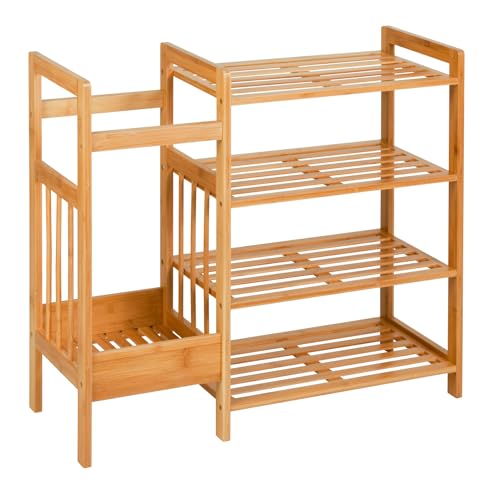
Sometimes the best storage isn’t marketed for knitters at all. These simple entryway hook racks are perfect for holding small bundles of yarn tied with a bit of scrap thread.
They are incredibly affordable and easy to install. If you have a collection of hand-dyed minis or small leftover balls, you can hang them by their center-pull loops for an instant, colorful display.
The limitation here is organization; it’s easy for the samples to get tangled if you aren’t careful. Keep your yarn tied securely to avoid a "yarn explosion" when you reach for a specific color.
Umbra Flapper Coat Rack: Best Floor Stand Pick

If you don’t want to put holes in your walls, a floor-standing rack like the Umbra Flapper is a stylish alternative. It acts as a sculptural element in your room while providing ample space to hang your samples.
This is a great option for the knitter who has a large collection and wants to display it like a piece of art. You can drape different yarns over the folding hooks, creating a visual library of your past projects.
Because it’s a floor piece, it occupies a larger footprint. Make sure you place it away from direct sunlight, which can fade the delicate dyes in your wool and silk over time.
Command Adhesive Hooks: Best Damage-Free Mount
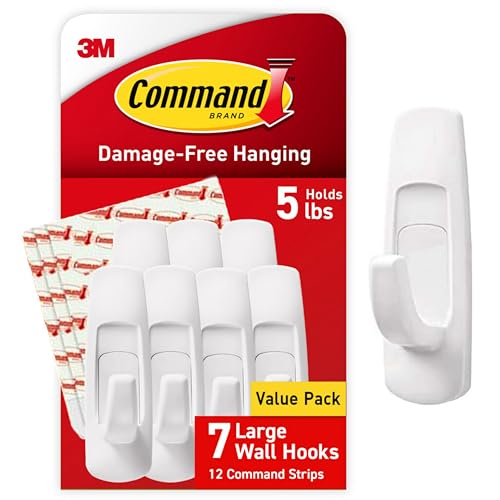
For those in rentals or those who frequently change their mind, Command hooks are the gold standard. You can place them anywhere, creating a custom "yarn gallery" on any flat surface.
I recommend using a variety of hook sizes to accommodate different sample lengths. This method is incredibly low-pressure; if you decide to move your stash to another room, the hooks come down without taking the paint with them.
The only real risk is the adhesive limit. If you have a particularly heavy sample, like a thick, cable-plied wool, make sure you check the weight rating on the package before hanging.
Essential Factors for Yarn Storage Organization
When organizing, start by categorizing your yarns by weight. It is far more practical to have all your fingering-weight samples together than it is to organize by brand, as you rarely choose a yarn based on the manufacturer alone.
Consider the "tactile" aspect of your storage. You want to be able to touch the yarn, as the feel of a fiber is just as important as its visual appeal.
- Weight: Sort by gauge (Lace, Fingering, DK, Worsted, Bulky).
- Fiber: Group by animal (wool, alpaca, mohair) vs. plant (cotton, linen) vs. synthetic.
- Usage: Keep a separate section for "active" project samples.
Protecting Your Fiber Stash From Moth Damage
Hanging your yarn in the open makes it easier to inspect, which is your best defense against moths. Moths love dark, undisturbed places, so a well-ventilated, visible rack is actually a deterrent.
If you are concerned, consider adding cedar blocks or lavender sachets near your hanging racks. These natural repellents are much safer for your yarn than chemical mothballs, which leave a lingering, unpleasant odor.
Always check your samples periodically for any signs of webbing or small holes. If you find a compromised sample, quarantine it immediately to protect the rest of your stash.
How to Catalog Your Yarn Samples Effectively
A hanging rack is only as good as the information attached to it. Every sample should have a small tag—a simple piece of cardstock works perfectly—that details the vital stats.
Include the brand, colorway, dye lot (if available), and fiber content. This is crucial when you are halfway through a sweater and realize you need to order one more skein to finish the sleeves.
If you are tech-savvy, you can also assign a number to each sample and keep a corresponding spreadsheet. This helps you track exactly how much yardage you have left for future scrappy projects.
Maintaining Your Collection for Long-Term Use
Dust is the primary enemy of open-air yarn storage. Once or twice a year, gently shake out your samples or use a low-suction vacuum attachment to keep them clean.
Avoid storing your yarn near heat sources like radiators or fireplaces, as dry heat can make natural fibers brittle over time. Consistent humidity levels are also key to keeping your yarn in prime condition.
Remember that your stash is a living library of your growth as a knitter. Treat it with care, keep it organized, and it will continue to provide inspiration for years to come.
Organizing your yarn samples is an investment in your future creativity, turning scattered scraps into a curated resource. Whether you choose a pegboard or a simple set of adhesive hooks, the goal is to make your fibers accessible and easy to evaluate. Take the time to tag your samples properly, and you’ll find that your next project planning session becomes much more enjoyable. Happy knitting, and may your stash always be a source of joy!