6 Best Yarn Blockers For Setting Twist Worth Using
Discover the 6 best yarn blockers to perfectly set your twist. This guide compares top tools to ensure your finished projects maintain shape and professionality.
The final stitch is cast off, but your project isn’t truly finished until it has been blocked to perfection. Blocking is the transformative step that evens out your tension and allows the fibers to relax into their final, intended shape. Without the right tools, however, securing your knitting can become a frustrating battle against curling edges and uneven lace. Choosing the right blocking accessories can make the difference between a professional finish and a misshapen garment.
Knitter’s Pride Knit Blockers: The Gold Standard


These plastic-molded bars featuring multiple stainless steel pins are a game-changer for anyone who struggles with getting a straight edge. Instead of placing individual pins one by one, you simply press these long bars into your blocking mat to secure several inches of fabric at once.
They are particularly effective for heavy wool sweaters or long, straight scarves where maintaining a uniform tension is critical. Because the pins are anchored in a solid plastic base, they don’t wiggle or pull out of the mat as easily as individual pins might.
The main trade-off is their size; they are bulky and don’t navigate tight curves or small, intricate lace motifs very well. Use these for your "workhorse" projects where speed and straight lines are your primary objectives.
Cocoknits Maker’s Keep: Best for Organization
If you are the type of knitter who constantly loses your pins in the carpet or between the sofa cushions, this tool is designed for you. It features a magnetic wristband that keeps your metal pins and needles tethered to you while you work.
It turns the often-tedious process of pinning out a project into a much more streamlined experience. By having your pins right on your wrist, you reduce the time spent reaching for supplies and increase your focus on the project itself.
While it doesn’t do the blocking itself, it is an essential support system for the process. If you find the physical setup of blocking to be a chore, this accessory helps maintain your momentum.
Clover T-Pins: The Reliable Classic Choice

T-pins are the traditionalists’ favorite for a reason: they are incredibly versatile and inexpensive. Because they are made of steel, they can withstand the tension of heavy, wet garments without bending or breaking.
The "T" head provides a perfect handle for your thumb to press into dense blocking mats. They are ideal for projects with complex shapes, like circular shawls or garments with intricate set-in sleeves, where you need to pin at precise, irregular angles.
Be aware that cheap, non-stainless versions can rust if left in damp knitting for too long. Always check the packaging to ensure you are buying stainless steel to avoid permanent stains on your beautiful hand-dyed yarns.
Boye Plastic Blocking Combs: Budget Friendly
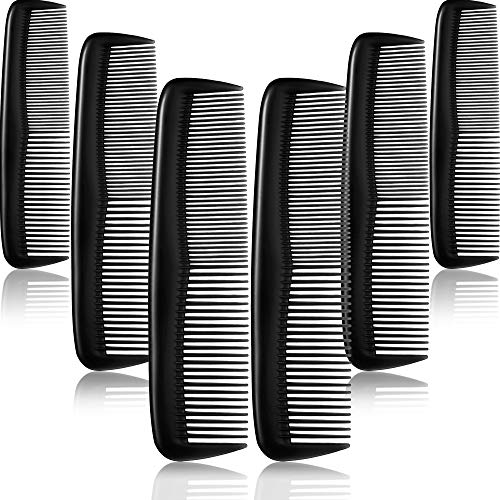
These combs are essentially a lighter-weight version of the premium plastic blockers, often found in most local craft stores. They are an excellent entry point for beginners who aren’t ready to invest in high-end equipment but need more stability than basic sewing pins offer.
Because they are made of plastic, they are gentle on delicate fibers and won’t leave heavy indentations in your knitting. They are particularly useful for lighter-weight yarns like fingering or sport weight, where heavy metal pins might distort the stitch structure.
Keep in mind that they are not as durable as their metal counterparts. If you try to force them into a very dense, dry-felted wool, the plastic teeth may snap under the pressure.
HiyaHiya Stainless Steel Pins: Rust Resistant
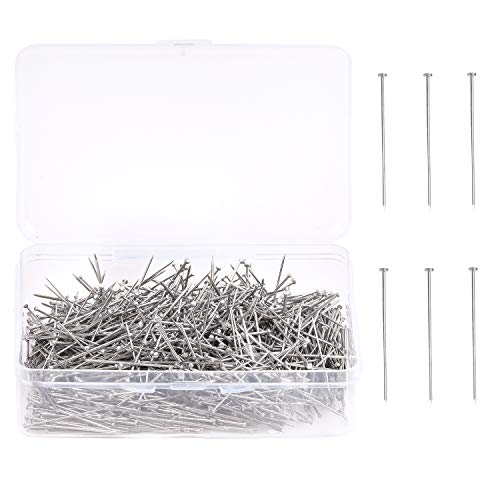
When you are blocking a delicate, light-colored mohair or silk project, the last thing you want is a rust mark from a low-quality pin. HiyaHiya pins are renowned for their high-quality, rust-resistant stainless steel construction.
These pins are thin and sharp, allowing them to glide through delicate stitches without snagging or splitting the yarn plies. This precision is vital when you are working with luxury fibers that are prone to damage.
They are a bit more expensive than bulk-bin pins, but they are a lifetime investment. If you frequently work with expensive, hand-dyed yarns, the peace of mind they offer is well worth the premium price.
Lacis Blocking Wires: Best for Lace Edges
If you have ever tried to block a lace shawl using only pins, you know the frustration of "scalloping," where the edge dips between every pin. Blocking wires allow you to thread a straight line through the edge of your lace, creating a perfectly smooth, scalloped edge.
You simply weave the wire through the loops of your bind-off edge and then pin the wire down at intervals. This creates even tension across the entire width of the project, which is the secret to making lace look truly professional.
They do require a bit of practice to handle, especially if you are working with long, flexible wires. Start with a smaller project to get a feel for how the wire interacts with your specific bind-off method.
Why Blocking Is Essential for Proper Twist
Every yarn has a "twist" imparted during the spinning process, and knitting creates its own internal tension. When you take a project off the needles, the stitches are often cramped and uneven.
Blocking allows the fibers to absorb moisture, swell, and then dry in a relaxed state. This process "sets" the twist, ensuring that your fabric drapes correctly and that your stitch patterns, such as cables or lace, pop with clarity.
Without blocking, your knitting may look like a collection of tight, irregular loops. With it, your fabric transforms into a cohesive, professional-looking garment that feels soft and supple against the skin.
How to Choose Between Pins and Plastic Combs
Choosing between pins and combs depends entirely on the geometry of your project. If you are blocking a rectangular scarf or a simple sweater back, plastic combs or blockers are the superior choice for speed and straight edges.
If you are blocking a garment with curves, such as a raglan sleeve or a circular shawl, individual T-pins are essential. They allow you to manipulate the fabric in 360 degrees, following the natural shape of the garment.
- Use Blockers/Combs for: Rectangles, scarves, and simple straight-edge panels.
- Use T-Pins for: Circular shawls, armholes, necklines, and complex shaping.
Essential Tips for Safe Wet Blocking Projects
Always check your yarn label for fiber content before submerging your project. Superwash wool, for example, grows significantly when wet, so you must be careful not to over-stretch it during the pinning process.
Use a mild wool wash to gently clean the fibers, but never wring or twist the wet fabric. Instead, lay your project flat on a clean towel and roll it up like a burrito to press out the excess water before pinning.
Ensure your blocking mats are placed in an area with good airflow. If the project stays damp for too long, it can develop a musty smell or, in extreme cases, encourage mold growth on natural fibers.
Troubleshooting Common Blocking Mistakes Today
The most common mistake is over-stretching the fabric, which can permanently ruin the drape of a garment. If you pull the stitches too taut, you lose the elasticity of the wool and create a thin, transparent fabric.
Another frequent issue is using pins that aren’t rust-proof, which can leave small, orange spots on light-colored yarn. Always test your pins on a small swatch if you are unsure of their material composition.
Finally, remember that blocking is not a magic fix for poor knitting. While it will even out your tension, it cannot fix dropped stitches or significant gauge errors; those must be addressed before you begin the blocking process.
Mastering the art of blocking is the final bridge between a handmade item and a professional-quality garment. By selecting the right tools for your specific project, you ensure that your hard work is displayed to its absolute best advantage. Take the time to experiment with different pins and wires to see what feels most intuitive in your hands. Happy blocking, and enjoy the satisfaction of seeing your stitches truly come to life.