6 Best Sewing Threads For Delicate Knitwear To Use
Choosing the right thread for delicate knits is vital. Discover the 6 best options to ensure durability, flexibility, and a professional finish for garments.
Sewing seams on delicate knitwear requires more than just a standard spool from your junk drawer. When working with fine gauge fabrics or luxury fibers like cashmere and silk, the thread must move in harmony with the natural stretch of the garment. Choosing the wrong thread can lead to puckered seams, broken stitches, or a stiff, uncomfortable finish. These six threads offer the perfect balance of strength, flexibility, and aesthetic appeal for your next knit project.
Gutermann Silk Thread: Best for Luxury Finishes


When you have spent weeks hand-knitting a fine lace shawl, you cannot afford to finish it with a synthetic thread that looks out of place. Gutermann Silk is the gold standard for those final touches where the luster of the thread needs to match the sheen of your high-end yarn.
Because silk is a natural protein fiber, it shares a similar "hand" or tactile quality with luxury wools and mohair. It flows through the fabric without creating unnecessary friction, which is vital when you are grafting stitches or reinforcing a delicate neckline.
The trade-off here is cost and delicacy. This thread is not meant for heavy-duty structural work, but for finishing edges and securing embellishments, it is unparalleled.
Mettler Silk-Finish Cotton: Best for Durability
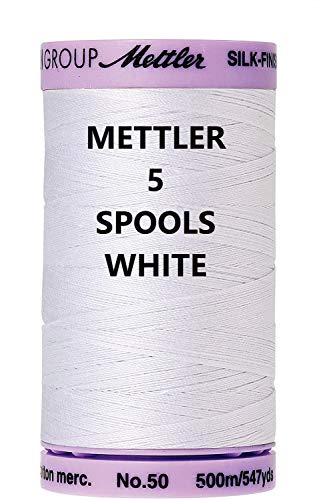
If you are working with a sturdy cotton or a superwash wool blend that sees a lot of daily wear, you need a thread that can handle tension. Mettler Silk-Finish is a high-quality mercerized cotton that offers surprising strength without the bulk of polyester.
Mercerization is a process that treats the cotton to increase its luster and strength, making it less likely to shrink or snap under the stress of a moving garment. It holds up beautifully through multiple machine wash cycles, which is essential for items like baby sweaters or socks.
Keep in mind that cotton has zero stretch. If you are sewing a seam that requires significant elasticity, use a shorter stitch length to compensate, or you risk the thread snapping the first time you pull the garment over your head.
YLI Fine Silk Thread: Best for Invisible Seams

YLI Fine Silk is incredibly thin, making it the secret weapon for invisible repairs and grafting. When you are trying to replicate the look of a knit stitch in a repair, this thread disappears entirely into the fiber.
It is particularly useful for "darning" or reinforcing worn-out heels on socks. Because it is so fine, you can weave it through the existing structure of the knit without adding bulk that would be felt against the skin.
Avoid using this for seams that take the weight of the garment, like shoulder seams. It is a precision tool, not a workhorse, and it should be treated with the same care as your finest embroidery floss.
Sulky 12wt Cotton Blend: Best for Structure
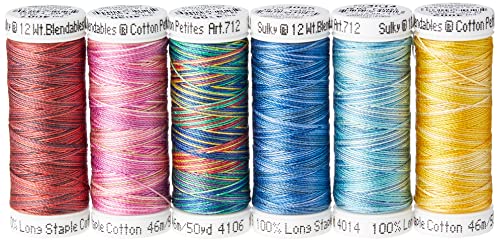
Sometimes a knit garment needs a bit of "backbone," especially around button bands or collars that tend to sag over time. A 12wt thread is thicker than your average sewing thread, providing a subtle structural reinforcement.
Using a heavier thread prevents the weight of heavy buttons from pulling the fabric out of shape. It acts as a stabilizer, effectively holding the knit fabric in its intended silhouette without requiring bulky interfacing.
Be aware that because it is thicker, it will be more visible. Always color-match this thread precisely to your yarn, as it will act as a design element rather than a hidden helper.
Coats & Clark All Purpose: The Reliable Staple
For the everyday knitter, there is no shame in reaching for a reliable, widely available polyester-wrapped cotton. It is the "workhorse" of the sewing world, and for good reason: it is affordable and consistent.
Its polyester core provides the slight bit of stretch needed to mirror the movement of knitted fabric, while the cotton wrapping helps it grip the yarn fibers. It is a safe bet for beginners who are still learning how much tension to apply when sewing seams.
While it lacks the luxury feel of silk, it is often the most practical choice for children’s clothing that needs to withstand rough play and frequent laundering. It is the "utility player" in your sewing kit.
Superior Threads Bottom Line: Best for Weight

This is a lint-free, fine polyester thread that is designed to be virtually invisible. It is exceptionally lightweight, which means it won’t distort the drape of your delicate knitwear.
If you are sewing on beads, sequins, or delicate lace trim, this is the thread you want. It is strong enough to hold the weight of the embellishment, but fine enough that it won’t create a "lumpy" appearance on the right side of the work.
Because it is a synthetic, it is very slick. When you tie off your knots, make sure to double them or use a dab of fray-check, as the thread can be prone to slipping if not properly secured.
Why Thread Choice Matters for Delicate Knits
A knit fabric is essentially a series of interlocking loops, meaning it is inherently dynamic and stretchy. If you sew a seam with a thread that has no give, the thread becomes the "weak link" that will eventually snap when the garment stretches.
Conversely, if the thread is too heavy, it will create a visible ridge where the seam sits, ruining the smooth transition between your knitted pieces. The goal is to choose a thread that mimics the properties of your yarn: stretchy for wool, stable for cotton, and lustrous for silk.
Always perform a "stretch test" on a swatch before committing to the final garment. If the seam ripples or the thread pops when you pull the fabric, you need a different thread or a longer stitch length.
Matching Thread Fiber Content to Your Project
Matching fibers is a classic rule for a reason, but it is not an absolute law. Generally, you want the thread to have a similar expansion and contraction rate as the yarn you used to knit the piece.
- Natural Fibers (Wool/Silk): Benefit from silk or high-quality cotton threads that move with the fiber.
- Synthetic Blends (Acrylic/Nylon): Can handle polyester-core threads well, as they share similar synthetic properties.
- Plant Fibers (Cotton/Linen): Require stable, non-stretchy threads to maintain the integrity of the seam.
If you are mixing fibers, lean toward a thread that is slightly more durable than the yarn. You want the garment to wear out, not the seams that hold it together.
Essential Techniques for Sewing Knit Seams
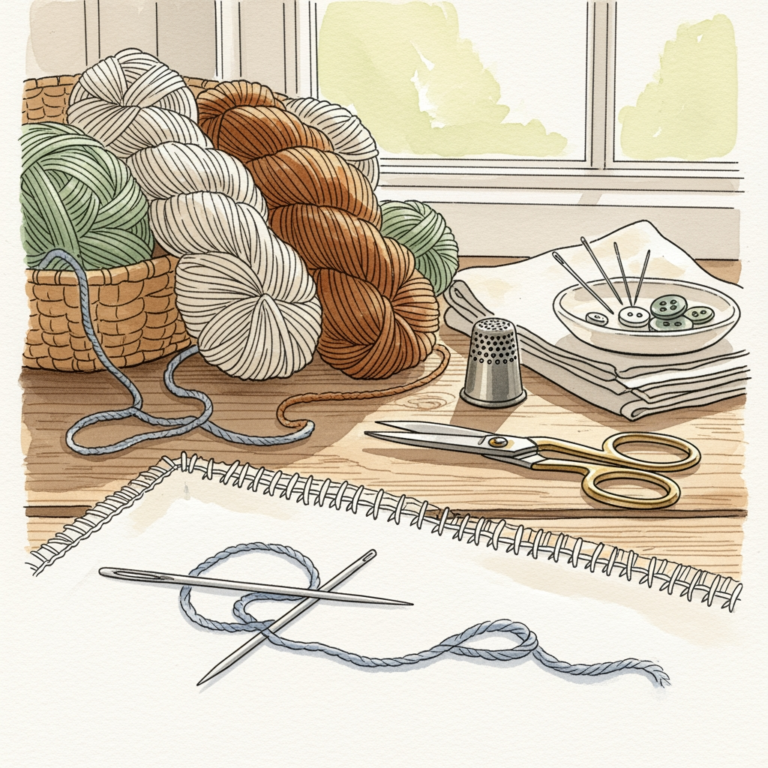
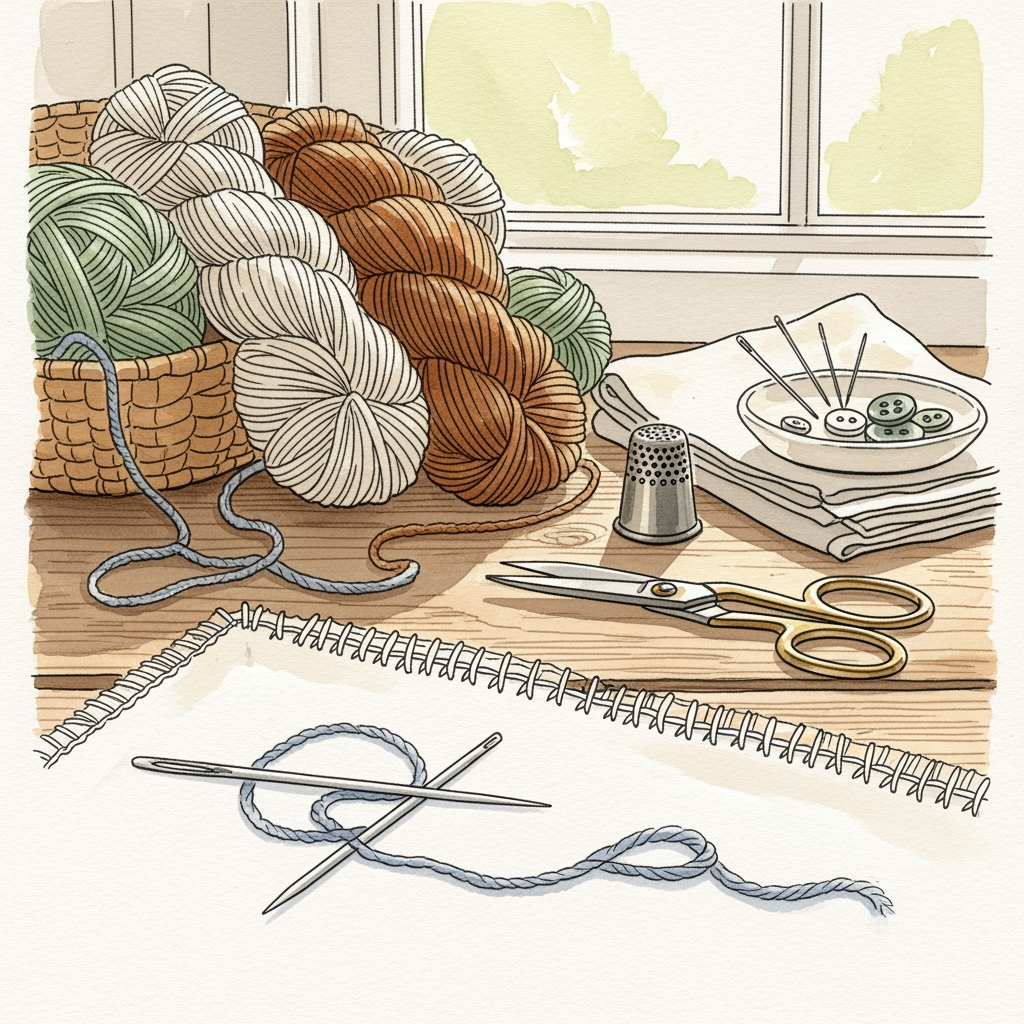
The most important technique for sewing knitwear is the mattress stitch, which uses the yarn itself to create an invisible, flexible seam. However, when you must use a sewing machine or a needle and thread, use a zigzag or stretch stitch to allow for movement.
Always pin your seams carefully, matching up your row-ends or stitch columns precisely. If you are sewing by machine, use a walking foot to prevent the fabric from being pushed or stretched unevenly as it moves under the needle.
Never pull the fabric through the machine. Let the feed dogs do the work, and keep your hands light to ensure the knit fabric retains its original shape.
How to Prevent Thread Breakage in Knitwear
Thread breakage often happens because the needle is too sharp or too large, effectively cutting the yarn fibers rather than passing between them. Use a ballpoint or jersey needle when machine sewing; these are designed to slide between the loops of the knit rather than piercing the yarn itself.
If you are sewing by hand, ensure your needle is polished and free of burrs that could snag your yarn. A dull needle will catch on the delicate fibers, causing them to fray and eventually snap.
Finally, check your tension settings. If the tension is too tight, the thread is under constant stress and will break the moment the garment is put on. A slightly looser tension is almost always better for the longevity of a knit seam.
Selecting the right thread is the final, crucial step in transforming your hand-knitted pieces into professional-grade garments. By understanding how thread weight, fiber content, and elasticity interact with your knitting, you can ensure your hard work lasts for years. Take the time to swatch your seams just as you would your gauge, and your finished items will look as beautiful as they feel. Happy stitching, and may your seams always be as strong as your stitches.