7 Best Fabric Stiffeners For Shaped Flowers To Try
Discover the 7 best fabric stiffeners to perfect your floral crafts. Learn which formulas provide the ideal hold and finish for long-lasting, shaped blooms.
Creating structural fabric flowers is the perfect way to transform your delicate knitted petals into permanent, sculptural blooms. Whether you are crafting a bridal bouquet or a decorative brooch, the right stiffener ensures your hard work holds its form against gravity. Choosing the wrong product can leave your yarn feeling sticky, brittle, or discolored, which is why understanding your options is vital. This guide breaks down the best tools to help your fiber art stand the test of time.
Aleene’s Stiffen-Quik: Best Spray for Petals


Aleene’s Stiffen-Quik is the gold standard for those who want a light, manageable hold without the hassle of a heavy soak. It works exceptionally well on delicate fibers like silk or fine merino lace because it doesn’t saturate the yarn to the point of distortion.
If you are working on a large batch of knitted roses, the spray application is a lifesaver. You can layer it gradually, allowing the petals to maintain a natural, soft movement rather than becoming rigid, plastic-like sculptures.
Be aware that this is a light-hold product. If you are aiming for a very architectural shape, you will need to apply multiple coats and allow for significant drying time between each layer.
Mod Podge Fabric Formula: Best for Durability

When your knitted flower needs to survive constant handling, such as on a hat or a frequently worn lapel pin, Mod Podge Fabric Formula is the superior choice. It creates a flexible, durable bond that penetrates deep into the plies of your yarn.
Because it is a thicker medium, it is best applied with a small paintbrush to ensure even coverage. It adds a slight weight to the fabric, which is actually beneficial for larger, heavier petals that need to anchor themselves in place.
The tradeoff here is that it can dull the sheen of vibrant yarns. Always test a small swatch before applying it to your main project to ensure the finish meets your aesthetic standards.
Elmer’s CraftBond Glue: Best for Firm Shapes
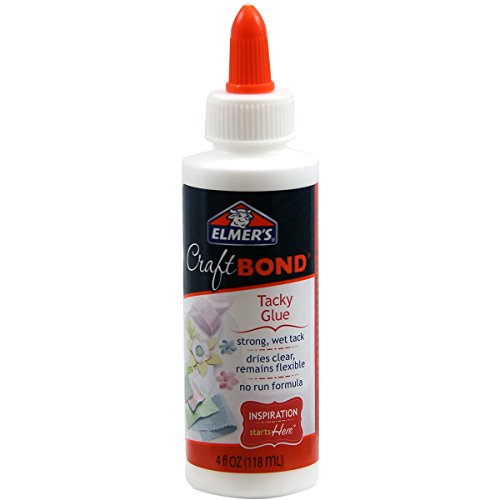
Elmer’s CraftBond is essentially a PVA glue that dries clear and provides a very high level of rigidity. For knitters who want their flowers to stand perfectly upright like real botanicals, this is often the go-to solution.
This glue is particularly effective for thick, wool-based yarns that tend to "slouch" under their own weight. By diluting it slightly with a little water, you can achieve a perfect consistency that soaks into the fiber and hardens into a rock-solid shape.
Use this sparingly, as it can make yarn feel quite stiff to the touch. It is best reserved for decorative pieces that will be displayed rather than worn against the skin.
Plaid Stiffy Fabric Stiffener: Best for Lace

Plaid Stiffy is designed specifically for intricate lace projects, making it ideal for delicate, fine-gauge knitted flowers. It provides a crisp, professional finish that highlights the stitch definition rather than obscuring it.
If you have spent hours knitting a complex lace petal, you don’t want a heavy glue to fill in your yarn overs and eyelets. This stiffener is lightweight enough to maintain the structural integrity of your lace patterns while holding them firmly in place.
It is water-soluble, which means it is forgiving if you make a mistake during the shaping process. Simply dampen the yarn, reshape, and let it dry again.
Magic Quilting & Crafting Spray: Best for Ease
Magic Quilting & Crafting Spray is a favorite among knitters who prefer a "no-fuss" approach to blocking and shaping. It provides a subtle, starch-like stiffness that is perfect for flowers that need to look natural and organic.
Because it is designed for fabrics, it doesn’t leave behind a sticky residue. This makes it an excellent choice for projects where you want the flower to feel like fabric, not like a craft project.
Keep in mind that this is a temporary hold. If your flower is exposed to high humidity or frequent moisture, you may need to re-apply the spray occasionally to keep it looking crisp.
Gorilla Super Glue Gel: Best for Fine Details
Sometimes you don’t need to stiffen the entire flower; you only need to secure a specific fold or a tiny stamen. Gorilla Super Glue Gel is the precision tool for these high-stakes moments.
The gel consistency is crucial here, as it prevents the glue from running into unintended areas of your knitting. It creates an incredibly strong, instantaneous bond that is perfect for attaching a knitted flower to a stem or a brooch backing.
Use this with caution, as it is permanent and can cause slight discoloration on certain synthetic fibers. Always use the smallest amount possible to avoid visible white residue.
Clear Drying Fabric Glue: Best for Precision

Clear drying fabric glue is the "utility player" in a knitter’s toolkit. It is excellent for those moments when you need to tack down a loose end or firm up a specific edge of a petal without affecting the entire structure.
Unlike spray stiffeners, this allows for targeted application. You can apply it to the underside of a petal to keep it curled in a specific direction, ensuring your flower looks exactly as you intended.
It dries flexible, which is a major advantage for knitted items. It won’t crack or flake off when the yarn moves or bends during normal wear.
Choosing the Right Stiffener for Your Fiber
The fiber content of your yarn is the most important factor in choosing a stiffener. Natural fibers like wool and cotton absorb liquids differently than synthetic fibers like acrylic or nylon.
- Wool: Highly absorbent; responds well to most stiffeners but requires careful handling to prevent felting during the application process.
- Cotton/Linen: Holds shape well but can be prone to yellowing; ensure your stiffener is labeled as "non-yellowing."
- Acrylic: Non-absorbent; requires a stronger, more adhesive-based stiffener to ensure the product actually grips the plastic-based fibers.
Always prioritize the weight of your yarn. A thin, fingering-weight yarn will require much less product than a bulky, roving-style yarn.
How to Shape Knitted Flowers for Best Results
The secret to a professional-looking flower is in the drying process. Once you have applied your stiffener, you must use a form or a mold to hold the petal in the desired position until it is completely dry.
Use household items like lightbulbs, round stones, or even crumpled aluminum foil to create the curves you want. If you are shaping a petal, pin it to a foam block using rust-proof pins to ensure the edges don’t curl while the stiffener sets.
Patience is your best friend. A flower that feels dry on the surface might still be damp in the center of the yarn, which can lead to sagging later on.
Tips for Preventing Yellowing on Light Yarns
Yellowing is the enemy of white or pastel-colored knitted flowers. Many craft glues contain chemical agents that oxidize over time, turning your beautiful cream yarn into a dingy, off-white shade.
Always look for products specifically labeled "archival" or "non-yellowing." If you are unsure, avoid products that appear slightly amber in the bottle, as this color will eventually transfer to your fiber.
If you are working with very light-colored yarn, consider a starch-based stiffener instead of a glue-based one. While they offer less hold, they are significantly safer for the longevity of your yarn’s color.
Transforming your knitted flowers into permanent art is a rewarding process that bridges the gap between textile work and sculpture. By selecting the right stiffener based on your fiber type and the desired level of rigidity, you can ensure your creations remain beautiful for years. Remember to test your chosen product on a small swatch first to avoid any unpleasant surprises. With a bit of patience and the right tools, your knitted blooms will truly blossom.