7 Best Scissors For Fine Yarn Snipping For Precision
Achieve perfect tension and clean cuts with our top 7 precision scissors. Discover the best ergonomic tools designed for delicate, fine yarn snipping tasks.
Every knitter knows the frustration of a dull blade snagging a delicate strand of laceweight mohair or fraying the plies of a luxury silk blend. Precision snipping is the difference between a professional-looking finish and a messy, unraveled end that ruins hours of hard work. Whether you are weaving in ends on a complex colorwork sweater or trimming a tiny tail on a sock gusset, your tool choice matters immensely. This guide breaks down the best scissors for fine yarn to ensure your cuts are as clean as your stitches.
Gingher 4-Inch Stork Scissors: The Classic Choice


These iconic stork-shaped scissors are a staple in almost every heirloom sewing kit for a reason. Their slim, needle-sharp points are designed to reach into tight spaces where larger shears simply cannot maneuver.
If you are working on intricate lace shawls where you need to snip a single strand of yarn without disturbing the surrounding stitches, these are your best friend. The weight is balanced, providing enough heft to feel substantial in your hand without causing fatigue during long finishing sessions.
However, keep in mind that the gold-plated handles can be slippery if you have lotion or natural oils on your hands. They are a classic for a reason, but they require a steady hand to maintain their alignment over years of use.
Karen Kay Buckley Perfect Scissors: Best for Fine
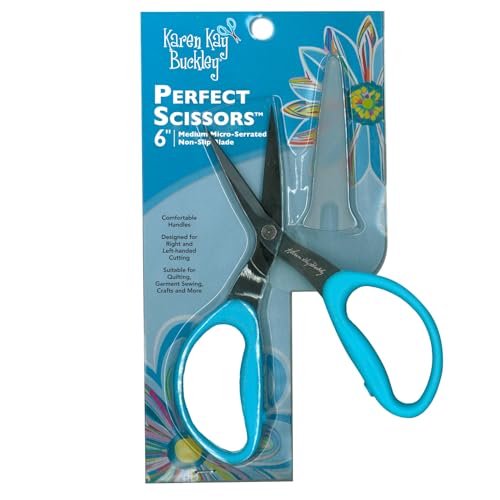
These scissors are a revelation for anyone who struggles with hand fatigue or fine-motor precision. The serrated blades grip the yarn firmly, preventing it from sliding away just as you go to make the cut.
When working with slippery fibers like bamboo, rayon, or high-twist superwash wool, this grip is a game changer. You won’t find yourself "chewing" through the yarn or leaving jagged, uneven ends that are difficult to weave in later.
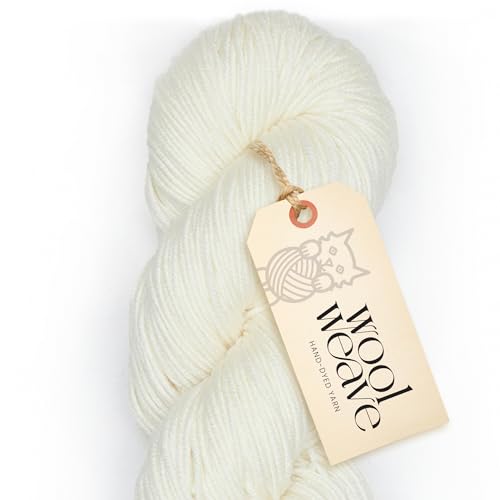
The soft-touch handles are exceptionally comfortable, making them ideal for knitters who spend hours on finishing work. While they might look a bit more utilitarian than ornate stork scissors, their performance on delicate, thin plies is unmatched.
LDH Scissors Midnight Edition: Precision Crafting
LDH has earned a reputation for marrying high-end aesthetics with industrial-grade sharpness. These scissors feature a matte black finish that isn’t just for show; it provides a subtle texture that improves your grip.
The blades are incredibly thin at the tip, making them perfect for "micro-snips" where you need to cut a yarn tail flush against the fabric. If you are a perfectionist about your finishing, these provide the control necessary to avoid nicking your main project fabric.
Because they are so sharp, you must be careful not to use them on anything other than yarn or light thread. Even a single cut through a thick piece of paper can dull that specialized edge, compromising their performance on your fine knits.
Havel’s Sewing Snips: Best for Intricate Detail
Havel’s snips are often favored by quilters, but they are secretly one of the best tools for fine-gauge knitting. The blades are curved slightly, which allows you to get right up against the surface of your work without poking the needles or the fabric.
This curvature is particularly useful when you are trimming ends on the inside of a garment or working on the tight interior of a glove thumb. You can lay the blade flat against the work, ensuring a clean, safe cut every single time.
They are lightweight and compact, making them the perfect addition to a travel project bag. Just be aware that their small size means they aren’t meant for heavy-duty cutting; keep them strictly for yarn and thread.
Merchant & Mills Wide Bow Scissors: Ergonomic Cut
These scissors feature a unique design that prioritizes ergonomics and leverage. The wide bow handles allow you to slip your fingers in easily, which is a massive benefit for knitters with arthritis or joint stiffness.
The blades are robust enough to handle slightly thicker yarns, yet they remain precise enough for the finest lace weights. They feel substantial and well-made, offering a satisfying "click" that confirms a clean cut through every ply.
While they are slightly larger than the typical stork snips, they offer a level of stability that smaller tools lack. If you find your hands shaking during delicate finishing work, the extra leverage provided by these bows will help stabilize your movements.
Westcott Titanium Bonded Snips: Budget Friendly

You don’t always need to spend a fortune to get a tool that performs well. Westcott’s titanium-bonded snips are surprisingly durable and maintain their edge much longer than standard stainless steel options at this price point.
They are an excellent "workhorse" pair to keep in your main knitting bag for everyday projects. If you are worried about losing a pair of expensive heirloom scissors at a local knit night, these are the reliable, cost-effective alternative.
The titanium coating also helps prevent the blades from becoming sticky if you happen to cut through a bit of stray glue or fiber finish. They may lack the elegance of handcrafted shears, but they get the job done reliably.
Fiskars Micro-Tip Scissors: Best for Micro-Knits
Fiskars is a household name, but their micro-tip line is specifically engineered for high-precision tasks. The blades are incredibly fine, allowing for surgical-level accuracy when trimming ends in dense, fingering-weight colorwork.
The spring-action design can be a polarizing feature; some knitters love the automatic return, while others find it takes getting used to. However, for those with limited hand strength, this feature reduces the effort required to make each snip.
They are essentially the gold standard for accessibility and availability. You can find them almost anywhere, and their performance on fine yarns is consistently high, making them a safe and effective choice for any knitter.
Why Blade Sharpness Matters for Delicate Fibers
When you cut yarn with a dull blade, the fibers are crushed rather than sliced. This results in a frayed, fuzzy end that is much harder to weave in neatly and prone to poking out of your finished fabric later.
Sharpness is especially critical when dealing with luxury fibers like silk, alpaca, or cashmere. These fibers have a delicate structure; a clean cut preserves the integrity of the ply, while a dull cut can cause the yarn to split or unravel prematurely.
Think of your scissors like your knitting needles: just as you wouldn’t use a bent needle to maintain consistent gauge, you shouldn’t use dull scissors if you want a professional finish. A clean cut is the first step in a secure, invisible weave-in.
Maintaining Your Scissors to Prevent Dull Edges
The most common mistake knitters make is using their yarn scissors for non-yarn tasks. Never use your precision snips to cut paper, plastic, or even thick ribbon, as these materials can ruin the temper of the metal and dull the edge instantly.
Store your scissors in a dedicated sheath or a small pouch to prevent the tips from banging against other notions in your project bag. If you notice the blades becoming sticky, clean them gently with a soft cloth and a tiny drop of sewing machine oil.
Periodically check the tension screw at the pivot point of your scissors. If it feels too loose, the blades will separate and "chew" the yarn rather than cutting it; a tiny adjustment here can make an old pair of scissors feel brand new.
Essential Tips for Clean Snips in Fine Projects
When weaving in ends, always leave a tail of at least three to four inches before you snip. It is much easier to trim a tail shorter later than it is to fix a tail that was cut too short and has begun to unravel.
If you are working with a multi-ply yarn, try to cut at a slight angle rather than straight across. This can help the end blend into the fabric more naturally, especially when you are working on the right side of a project.
Finally, always "test" your cut on a scrap piece of the same yarn before you go in for the final trim on your project. This confirms your scissors are aligned and that you have the right angle for the specific fiber you are using.
Investing in a quality pair of scissors is one of the most underrated ways to elevate your knitting practice. By choosing a tool that suits your hand size, project type, and fiber preference, you ensure that every project ends as beautifully as it began. Take the time to care for your tools, and they will reward you with years of clean, precise cuts. Happy knitting, and may your ends always be perfectly hidden.