6 Best Swivel Swifts For Skein Winding For Crafters
Discover the top 6 swivel swifts for efficient skein winding. Our guide compares features to help crafters choose the best tool for tangle-free yarn prep.
Transitioning from a tangled, hand-wound mess to a perfectly formed yarn cake is one of the most satisfying rites of passage for any knitter. A quality swivel swift acts as the silent partner in your craft, ensuring your precious fiber transitions from skein to ball without a single hitch. Whether you are working with delicate lace-weight mohair or sturdy worsted wool, the right equipment makes all the difference. Investing in a reliable swift saves you hours of frustration and prevents the dreaded yarn barf that ruins a project before it even begins.
Stanwood Needlecraft Tabletop Swift: Best Overall
When you need a tool that just works every time you sit down to wind, the Stanwood Tabletop Swift is the gold standard. It features a heavy-duty metal clamp and smooth-spinning hardware that handles everything from lace to bulky yarns with ease.


The standout feature here is the ball-bearing rotation, which allows the swift to spin with the slightest tug of the yarn. This is essential when working with delicate hand-dyed fibers that might snap if you have to pull too hard against a stiff mechanism.
While it is a tabletop model, it is incredibly sturdy and won’t wobble during high-speed winding. If you frequently switch between different yarn weights, this is the most versatile workhorse for your stash.
Amish-Style Wooden Yarn Swift: Best Value Choice
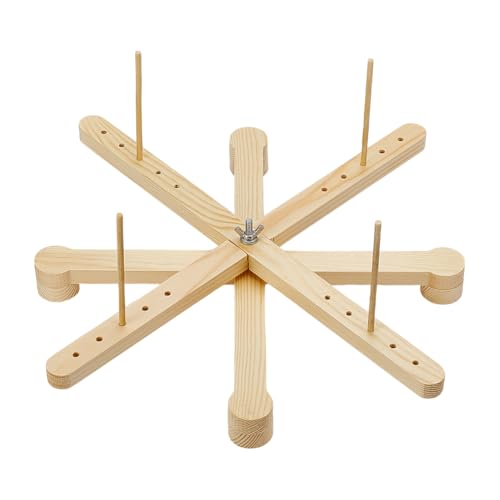
If you find the umbrella-style swifts intimidating or prone to mechanical failure, the Amish-style wooden swift is a breath of fresh air. It consists of two interlocking wooden pieces that sit flat on your table, allowing the skein to rotate around the pegs.
The beauty of this design lies in its simplicity and lack of moving parts. There are no gears to strip or screws to tighten, making it a nearly indestructible addition to your craft room.
Because it relies on the weight of the yarn to spin, it is best suited for standard-sized skeins. It might struggle with massive, heavy hanks, but for the average 100-gram skein, it offers unmatched value and longevity.
Lacis Wooden Umbrella Swift: Best for Large Skeins
For those who regularly work with massive, 200-gram artisanal hanks, the Lacis Wooden Umbrella Swift is a reliable powerhouse. Its wide reach and robust construction allow it to accommodate larger circumferences that would cause smaller swifts to collapse.
The build quality is substantial, providing the stability needed for heavy yarn that might otherwise pull a lighter swift off the table. It is designed to handle the tension of a large, dense skein without buckling under the weight.
Keep in mind that this is a larger tool, so you will need a dedicated workspace. If your projects involve heavy sweaters or blankets that require long yardage, this swift is a worthy investment for your studio.
KnitPicks Yarn Swift: Best Portable Design Option
Not every knitter has a permanent craft room, and that is where the KnitPicks Swift shines. It is lightweight, compact, and designed to be easily disassembled and tucked away into a project bag or drawer.
Don’t mistake its portability for flimsiness; it is perfectly capable of handling standard weight yarns for your daily knitting needs. It is an ideal choice for knitters who travel or those who share a small apartment and need to clear their workspace quickly.
The setup is intuitive, allowing you to go from a tangled skein to a neat ball in minutes. It is the perfect entry point for a beginner who wants a functional tool without committing to a permanent fixture on their furniture.
Strauch Jumbo Ball Winder Swift: Best Professional

When you are winding yarn for a living or managing a massive stash, you need equipment that can handle industrial-level volume. The Strauch system is built for the high-demand user who refuses to compromise on speed or reliability.
This swift is engineered to work in tandem with high-capacity ball winders, creating a seamless workflow. Its precision engineering ensures that the yarn flows perfectly even, which is crucial if you are winding delicate fibers that require consistent tension.
It is certainly a premium purchase, but for the serious fiber artist, the time saved is invaluable. If you find yourself winding multiple skeins a day, this is the professional-grade solution you have been looking for.
ChiaoGoo Wooden Umbrella Swift: Best Build Quality
ChiaoGoo is known for their exceptional needle craftsmanship, and their swift follows the same philosophy. It features smooth, polished wood that prevents delicate fibers from snagging or catching on rough edges.
The attention to detail in the hardware is what sets this model apart. Every joint moves fluidly, ensuring that your yarn never experiences sudden jerks or tension spikes while you are winding your cakes.
This is a beautiful piece of equipment that feels as good as it functions. If you value aesthetics as much as performance, this swift is a standout choice that will last for years on your craft table.
How to Properly Set Up Your Swift for Smooth Winding
Setting up your swift is more than just clamping it to a table; it is about creating a path of least resistance. Start by ensuring your swift is positioned at a comfortable distance from your ball winder, usually about 18 to 24 inches away.
Before placing your skein, gently shake it out to ensure the yarn is not twisted upon itself. If you put a twisted skein on the swift, you will be fighting against your own yarn the entire time you wind.
Always adjust the arms of the swift so that the skein is held taut, but not stretched. If the skein is too loose, it will sag and tangle; if it is too tight, you risk damaging the elasticity of the fiber.
Umbrella vs. Amish Style: Choosing Your Swift Type
Choosing between an umbrella and an Amish-style swift comes down to your personal workflow and space. Umbrella swifts are vertical and adjustable, making them excellent for a wide variety of skein sizes and shapes.
Amish-style swifts are horizontal and stationary, offering a simpler, more stable experience for standard skeins. They are less prone to mechanical issues but lack the flexibility to handle very large or non-standard hanks.

- Choose Umbrella if: You work with many different yarn weights and sizes.
- Choose Amish if: You want a durable, low-maintenance tool for standard 100g skeins.
- Space Consideration: Umbrella swifts require vertical clearance; Amish swifts require a wider horizontal footprint.
Essential Tips for Preventing Tangled Yarn Skeins
Even with the best swift, a tangle can happen if you aren’t careful during the initial placement. Always look for the two ends of the yarn and ensure they are clearly visible before you begin winding.
If you are working with a particularly slippery yarn, like silk or bamboo, use a light touch when winding. High speed can lead to yarn slipping off the swift arms, which is the fastest way to create a bird’s nest.
If you do encounter a snag, stop winding immediately. Do not pull harder; instead, manually untwist the section of the yarn on the swift to release the tension before resuming your wind.
Maintaining Your Swift for Years of Winding Success
Your swift is a mechanical tool that benefits from occasional care to keep it running smoothly. Periodically check the screws and bolts to ensure they haven’t loosened from the vibration of regular use.
For wooden swifts, a very light application of wax or furniture polish can keep the arms moving freely. Avoid using heavy oils that might stain your yarn or attract dust and debris to the moving joints.
When not in use, store your swift in a dry, cool place to prevent the wood from warping or the metal from oxidizing. A little bit of routine maintenance ensures that your swift remains a reliable companion for every new project you cast on.
Choosing the right swivel swift is an investment in your long-term joy as a maker. Whether you prioritize the professional precision of a Strauch or the simple, rugged charm of an Amish-style wooden model, the goal is to make your winding process effortless. By understanding the mechanics of your tools and how they interact with your specific fibers, you can spend less time untangling and more time creating. May your yarn always wind smoothly, and your projects always be free of unwanted knots.