6 Best Ergonomic Shears For Heavy Yarn Cutting
Cut thick yarn easily with these 6 ergonomic shears. Our guide highlights top picks that reduce hand strain and ensure precise, effortless cuts every time.
Finding the right tool to snip through a thick, bulky wool roving or a multi-strand tapestry project is just as important as choosing the right needle size. When you are deep into a project, a dull or poorly designed pair of shears can turn a relaxing evening of knitting into a source of hand strain. These six options represent the gold standard for fiber artists who need precision and comfort. Investing in quality cutting tools ensures your focus stays on your stitch pattern rather than the struggle of cutting your yarn.
Gingher 8-Inch Knife Edge Dressmaker Shears


These shears are a classic for a reason, featuring a double-plated chrome finish that feels substantial in the hand. The knife-edge grind is exceptionally sharp, allowing the blades to glide through heavy, multi-ply yarns without catching or fraying the fiber ends.
The weight of the Gingher shears provides a natural leverage that does most of the work for you. If you are working with thick, rustic wools or heavy cotton ropes, you will find that these blades slice through the material with minimal thumb pressure.
However, they are heavier than modern composite models, which can be a drawback for those with smaller hands or existing wrist fatigue. Keep in mind that these require consistent maintenance to keep the pivot screw adjusted properly for that signature smooth action.
Kai 7230 Professional Series 9-Inch Shears

Kai is widely regarded as the pinnacle of professional cutting tools, utilizing high-carbon stainless steel that stays sharper for significantly longer than standard steel. The 9-inch length offers a long cutting stroke, which is ideal if you are trimming long tails on a heavy-gauge sweater.
The ergonomic handle design is specifically engineered to distribute pressure across the entire palm rather than focusing it on the thumb. This is a game-changer when you have a day-long project involving hundreds of yarn ends to weave in.
Be aware that these are investment pieces that require a bit of respect; they are not for cutting paper or wire, which will ruin the edge instantly. Treat them as a dedicated tool strictly for your fiber work, and they will likely be the last shears you ever need to buy.
Fiskars Amplify RazorEdge Fabric Shears

Fiskars is known for innovation, and their Amplify technology is designed to sense the thickness of the material and adjust the blade tension accordingly. This is particularly useful when you transition from light lace-weight mohair to heavy, felted wool yarns in a single project.
The blades are made of high-grade stainless steel with a razor-sharp edge that makes clean, precise cuts. The spring-action handle is a major benefit for knitters who struggle with arthritis, as it helps open the shears automatically after each snip.
While the plastic handle may not feel as "premium" as steel-forged shears, the functionality is hard to beat for heavy-duty tasks. It is an excellent choice for knitters who prioritize mechanical assistance over traditional aesthetics.
Havel’s Sewing 8-Inch Serrated Craft Scissors

Serrated blades are a secret weapon for knitters working with slippery or high-twist yarns that tend to slide away from standard blades. The micro-serrations on these Havel’s shears grip the yarn firmly, ensuring a clean cut on the first try every time.
These are particularly effective for cutting through bulky, multi-strand yarns where individual plies might otherwise get snagged. The handles are soft-grip and designed to be comfortable even during long sessions of finishing work.
Because they are serrated, they aren’t meant for fine-tuning a delicate lace edge, but they are unmatched for raw cutting power. If your knitting bag is full of slippery synthetics or silk blends, these will save you from repetitive, frustrating snips.
Westcott Titanium Bonded Ergonomic Shears

Titanium-bonded blades are three times harder than stainless steel, providing a durable edge that resists the friction generated by heavy, abrasive fibers. The ergonomic, asymmetrical handle design is specifically shaped to reduce strain on the fingers and wrist.
These shears offer a great balance between affordability and high-end performance. They are lightweight, making them easy to toss into a project bag without adding significant bulk to your travel kit.
While they may not hold an edge for as many years as a professional-grade forged shear, they are remarkably reliable for daily use. They are an ideal "workhorse" tool for the knitter who wants high performance without the high price tag.
LDH Scissors Midnight Edition Fabric Shears
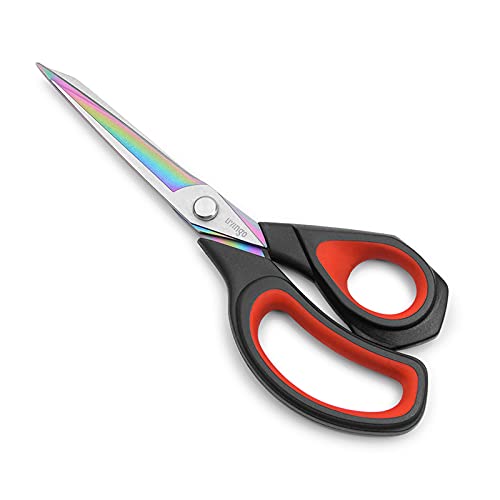
The Midnight Edition from LDH is crafted from high-carbon steel and features a sleek, black industrial coating that is as beautiful as it is functional. These shears are balanced perfectly, providing a solid feel without feeling cumbersome or heavy.
The blades are hand-sharpened and feature an adjustable pivot, allowing you to customize the tension to your specific yarn weight. Whether you are cutting through heavy worsted weight wool or thick cotton cord, the action remains buttery smooth.
These are truly a luxury tool for the dedicated fiber artist. They look stunning in any studio, but their real value lies in the precision of the cut, which prevents the fraying that can ruin the look of a finished garment.
Why Ergonomics Matter for Heavy Yarn Cutting
Knitting is a repetitive motion sport, and adding heavy cutting to that mix can lead to tendonitis if you aren’t careful. Ergonomic shears are designed to align your wrist and hand in a neutral position, preventing the "crush" injury that occurs when you force a dull blade through thick yarn.
When you are cutting heavy yarn, the force required to close the blades travels directly through your thumb and index finger. A poorly designed handle creates pressure points that cause fatigue after only a few cuts.
Look for handles that are padded, asymmetrical, or spring-loaded to mitigate this risk. Your hands are your most valuable knitting tools; protecting them with the right equipment is just as important as choosing the right yarn.
Evaluating Blade Material and Cutting Power
Blade material dictates how often you will need to sharpen your shears and how cleanly they will cut through different fiber types. High-carbon steel holds a sharp edge longer but is susceptible to rust if not kept dry, while stainless steel is more resistant to the humidity of a craft room.
- High-Carbon Steel: Best for longevity and a razor-sharp edge, but requires care.
- Titanium Bonded: Offers increased durability and resistance to friction.
- Serrated Blades: Essential for gripping slippery, high-twist, or multi-strand yarns.
When evaluating cutting power, consider the blade grind. A knife-edge grind is superior for heavy materials because it slices through the fiber rather than just pinching it. Always test your shears on a scrap piece of the specific yarn you are using to ensure the blades don’t snag.
Proper Maintenance to Keep Your Shears Sharp
Even the most expensive shears will lose their edge if they are used to cut paper, plastic, or wire. Dedicate your best shears exclusively to yarn and fabric to maintain that factory-sharp finish for as long as possible.
Wipe your blades down with a soft, dry cloth after every use to remove lint and debris that can accumulate near the pivot. If your shears start to feel "loose," check the tension screw; a quarter-turn can often restore the cutting performance immediately.
Store your shears in a sheath or a dedicated spot in your kit to prevent the blades from knocking against other metal tools. If they do become dull, seek out a professional sharpener who understands how to maintain the specific angle of your blade grind.
Tips for Reducing Hand Fatigue While Knitting
Beyond using ergonomic shears, you can reduce hand fatigue by varying your grip on your needles and taking frequent breaks. If you find yourself gripping your needles with a "death grip," try switching to a material with more "grab," like wood or bamboo, to help the yarn stay in place.
Ensure your workspace is set up so that you aren’t hunching over your work, which can restrict blood flow to your hands. Simple stretches for your wrists and fingers before and after a long knitting session can make a world of difference in your comfort.
If you are working with heavy, thick yarns, consider using a larger needle size to reduce the physical effort required to form each stitch. Remember that knitting is meant to be a joy, not a strain; if you feel pain, stop, stretch, and reassess your tools.
Choosing the right shears is a personal decision that depends on your hand size, the types of yarn you prefer, and your typical project volume. By prioritizing ergonomic design and quality blade materials, you can eliminate the physical strain that often accompanies heavy-duty fiber work. A sharp, comfortable pair of shears is a small but vital investment in your long-term comfort as a knitter. Take the time to find the tool that feels like an extension of your own hand, and your hands will thank you for years to come.