7 Best Warping Pegs For Tabletop Setups To Try
Upgrade your weaving with our top 7 warping pegs. We compare durability, grip, and stability to help you find the perfect tool for your tabletop setup today.
Warping your loom is the foundation of every successful weaving project, yet it is often the step where most makers feel the most frustration. Whether you are setting up a narrow scarf or a wide table runner, the right peg system dictates the consistency of your tension. Selecting the correct tools for your specific tabletop loom can transform a tedious chore into a meditative ritual. Here are seven top-tier warping peg systems that bring precision and ease to your studio workspace.
Schacht Spindle Company Tabletop Warping Pegs


Schacht is synonymous with reliability in the weaving world, and their tabletop pegs are no exception. These pegs are designed to fit seamlessly into the Schacht Cricket or Flip looms, providing a sturdy anchor for your warp threads.

The beauty of these pegs lies in their simplicity and the solid, tactile feedback they provide during the winding process. Because they are crafted from high-quality hardwoods, they don’t flex under the pressure of a tight warp, which is vital when you are working with inelastic fibers like linen.
If you find yourself struggling with "saggy" edges on your warp, these pegs are a game-changer. Their consistent diameter ensures that every loop of your warp is identical in length. The bottom line: they are a workhorse addition for any weaver who values durability over bells and whistles.
Ashford Handicrafts Tabletop Warping Board
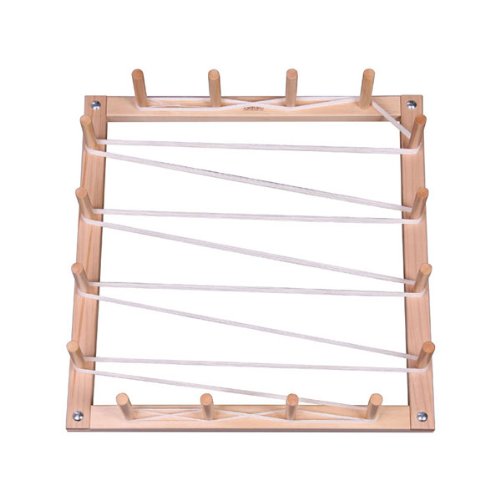
Ashford has mastered the art of the multi-functional tool, and their warping board is a staple for a reason. It allows you to wind a long warp in a relatively small footprint, which is a lifesaver if your "studio" is actually your kitchen table.
This board is particularly effective for weavers who like to calculate their warp length precisely before they begin. The grid-like arrangement of the pegs helps you keep track of your crosses, preventing the dreaded "tangled warp" nightmare that can derail a project before it starts.
However, keep in mind that a warping board requires a bit more physical coordination than a direct-warping peg system. It’s an investment in your technique, perfect for those who want to transition from small samples to full-length yardage.
Leclerc Looms Adjustable Warping Peg Set
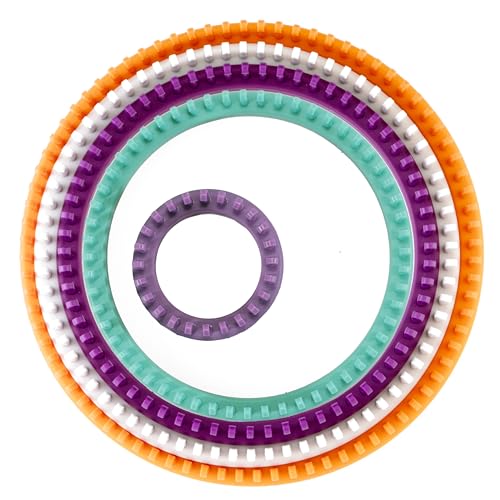
Leclerc is a brand that respects the tradition of weaving while offering modern adjustments. Their adjustable peg sets are designed for weavers who don’t want to be locked into one specific warp width or length.
The adjustability is the standout feature here, allowing you to move pegs to accommodate different project scales. If you are someone who oscillates between weaving delicate lace scarves and chunky wool blankets, this flexibility is invaluable.
The trade-off is the setup time; you will spend more minutes configuring your board than you would with a fixed system. If you prefer a "set it and forget it" approach, this might be overkill, but for the experimental weaver, it is a dream.
Glimakra Tabletop Warping Frame Pegs
Glimakra brings a touch of Swedish precision to the table. These pegs are often favored by weavers who are meticulous about their tension and want a system that feels as professional as a floor loom setup.
The wood finish is exceptionally smooth, which is a critical detail when you are working with delicate, high-twist yarns that might snag on rough surfaces. Snags lead to broken threads, and broken threads lead to knots—the enemy of a clean warp.
These pegs are best suited for the weaver who views the setup process as a craft in itself. They are robust, elegant, and provide the kind of consistent tension that makes the actual weaving process feel effortless.
Kromski Harp Forte Warping Peg System

The Kromski Harp Forte is a favorite among rigid heddle weavers for its beautiful aesthetic and thoughtful engineering. The warping peg system that accompanies it is designed to be intuitive, even for those who are just learning to thread their first heddle.
These pegs are specifically shaped to hold the warp yarn securely without requiring excessive force. This is particularly helpful when working with slippery fibers like silk or rayon, which have a tendency to "creep" off standard pegs.
If you are a beginner, the Kromski system removes a lot of the guesswork from the warping process. It’s a system that grows with you, providing enough stability for complex pick-up patterns as your skills advance.
Louet Erica Tabletop Warping Accessory
The Louet Erica is a compact, clever loom, and its dedicated warping accessories are designed to match that efficiency. If you are tight on space, this system is likely your best friend.
The pegs are designed to be integrated into the frame of the loom, which minimizes the number of loose parts you have to keep track of. For the weaver who is constantly moving their setup from the dining table to a closet, this portability is a massive advantage.
While they may lack the heavy-duty feel of a large floor-loom peg, they are more than sufficient for the types of projects the Erica is meant to handle. They offer a balance of convenience and performance that is hard to beat for the hobbyist.
Mirrix Looms Warping Bar and Peg Kit
Mirrix is the gold standard for bead weavers and tapestry artists, and their warping kit reflects that niche focus. Unlike standard loom pegs, these are designed to maintain the extremely high tension required for tapestry work.
If you are working with fine cotton warps or metallic threads, the rigidity of the Mirrix system is essential. It prevents the frame from bowing, ensuring that your warp remains perfectly parallel from start to finish.
This is a specialized tool. If you are strictly a rigid heddle weaver, it might be more than you need, but if you are looking to branch into tapestry, it is an essential piece of equipment.
How to Choose the Right Pegs for Your Loom
Choosing the right pegs starts with understanding your project goals. Are you weaving a simple scarf, or are you preparing a 10-yard warp for a series of table runners?
- Fixed vs. Adjustable: Fixed pegs are faster to set up but limit your project dimensions. Adjustable pegs offer versatility but require more calibration.
- Space Constraints: If you are working on a small tabletop, look for systems that mount directly to the loom frame to save surface area.
- Yarn Type: If you work with delicate, non-elastic fibers, prioritize pegs with a smooth, snag-free finish to protect your warp.
Always consider the "tension personality" of your weaving. If you tend to weave with a very tight beat, you need a system that anchors firmly and won’t wobble under the strain of your workspace.
Material Matters: Wood vs Plastic Warping Pegs
The debate between wood and plastic often comes down to friction and longevity. Wooden pegs, usually made of birch or maple, offer a natural grip that helps prevent yarn from slipping off unexpectedly.
Plastic pegs are often cheaper and easier to clean, but they can sometimes be too slick for certain fibers. If you use synthetic yarns like acrylic or polyester, which are already quite slippery, plastic pegs may require you to be extra vigilant about securing your loops.
Ultimately, wood is the classic choice for a reason—it feels better in the hand and provides a reliable, slightly grippy surface. However, if you are working in a humid environment where wood might swell or warp, high-quality industrial plastic can be a more stable long-term solution.
Essential Tips for Even Warp Tensioning
Even tension is not just about the pegs; it is about your movement. Always wind your warp with a consistent, rhythmic pace, and avoid "jerking" the yarn as you move from one peg to the next.
When you finish winding, use a lease stick or a tie-off method to secure your cross before taking the warp off the pegs. This prevents the "twist" that can cause uneven tension when you finally beam the warp onto your loom.
Finally, remember that your body position matters. Keep your warping area at a comfortable height so you aren’t leaning or stretching, which can lead to inconsistent tension across your warp. A steady, relaxed weaver almost always produces a more even warp than a stressed one.
Mastering the warping process is the hallmark of a weaver who has moved beyond the basics and into true craftsmanship. By choosing the right peg system for your specific loom and fiber needs, you eliminate the friction that causes weaving to feel like a chore. Take your time, experiment with these tools, and remember that a well-wound warp is half the battle won. Happy weaving!