7 Best Cotton Yarns For Structured Designs To Try
Discover the top 7 cotton yarns perfect for structured projects. Learn which fibers offer the crisp stitch definition and durability your designs demand.
Choosing the right cotton yarn for a structured project is the difference between a garment that holds its shape and one that sags after a few wears. Cotton lacks the natural elasticity of wool, meaning your choice of fiber construction dictates the final silhouette of your work. These seven selections provide the necessary tension and stitch definition to ensure your hard work remains crisp and professional. Mastering these materials will transform how you approach everything from summer sweaters to intricate home decor.
Blue Sky Fibers Organic Cotton: Best for Stitch Def


This yarn is a favorite because of its substantial, round ply that acts like a structural scaffold for your stitches. When you work with a yarn that has a consistent twist, your knit and purl columns remain perfectly vertical.
It is particularly effective for textured patterns like moss stitch or seed stitch. Because the fiber is organic, it feels soft against the skin, but it retains enough "tooth" to grip the needle during complex maneuvers.
The tradeoff here is weight; because it is a dense, high-quality cotton, your finished garments will be heavier than those made from wool. If you are knitting a large-scale project like a long cardigan, account for the drape—it will grow slightly with gravity.
Rowan Creative Linen: Best Blend for Structure

Mixing cotton with linen creates a yarn that is virtually immune to the sagging issues common with 100% cotton fibers. The linen adds a crisp, dry hand that forces the yarn to stay exactly where you place it.
This blend is my top recommendation for summer garments that require a tailored look. If you are knitting a structured tank or a boxy tee, the linen component prevents the fabric from losing its shape after a day of wear.
Be aware that the linen content can feel slightly abrasive on the fingers during long sessions. Use bamboo or wooden needles to add a bit of warmth and friction, which helps balance the slick, cool nature of the fiber.

Pima Cotton by Purl Soho: Best for Crisp Textures
Pima cotton is defined by its long staple length, which results in a smoother, less fuzzy yarn surface. For the knitter, this means your stitch definition will be razor-sharp, making it ideal for geometric designs.
I often reach for this when I want a project to look almost machine-made in its precision. The lack of halo means that every single stitch is visible, so be prepared for your tension to be on display.
If you struggle with uneven tension, this yarn will highlight it immediately. Practice your gauge swatch thoroughly, as the smooth surface provides no "fuzz" to hide minor inconsistencies in your knitting.
Quince & Co. Sparrow: Best for Lightweight Garments
Sparrow is a 100% organic linen that behaves much like a high-end cotton in terms of structure. It is exceptionally lightweight, which is a blessing when you want a structured design that doesn’t feel like a suit of armor.
This yarn is the gold standard for lace and openwork motifs. Because it is so light, it creates a "breezy" structure that holds its own shape without needing the bulk of a thicker ply.
The main challenge is that it can feel quite stiff while you are working with it. Don’t be discouraged; the fabric softens significantly after its first soak and block, revealing a beautiful, refined texture.
Knit Picks Comfy Worsted: Best Value for Projects
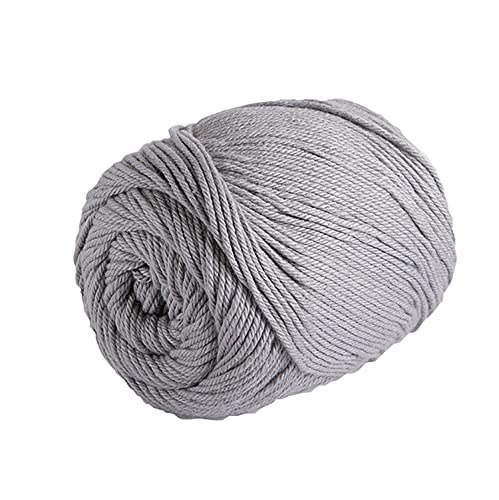
Finding a high-quality cotton blend at an accessible price point is a common struggle for makers. Comfy Worsted solves this by blending cotton with acrylic, which provides the structural memory that pure cotton lacks.
The addition of acrylic makes this yarn much more forgiving for beginners. It is less prone to splitting than pure cotton and maintains its integrity through repeated washings.
While it lacks the "luxury" hand of a pure Pima, it is an excellent workhorse for home goods. If you are knitting baskets, coasters, or heavy-duty market bags, the durability of this blend is hard to beat.
Cascade Yarns Ultra Pima: Best for Cable Clarity

Cables in cotton can often look muddy or flat, but Ultra Pima has a sheen and a twist that makes them pop. The fiber is mercerized, a process that increases luster and strength while making the yarn slightly smoother.
When you are working a complex cable chart, you need a yarn that doesn’t split easily. This yarn stays together well, allowing you to move your stitches across the cable needle with confidence.
Because it is mercerized, it is quite slippery. If you are a loose knitter, consider dropping down a needle size to ensure your cables don’t look loose or gapped.
Scheepjes Catona: Best for Amigurumi and Details
When you are knitting or crocheting small, intricate pieces, you need a yarn that won’t pill or fray. Catona is a fingering-weight cotton that is tightly spun, making it perfect for fine details.
The color range is immense, which is essential for projects that require precise color blocking. Because the yarn is so compact, it creates a firm, dense fabric that is perfect for toys or decorative items.
It is not the softest yarn for a delicate shawl, so keep it strictly for projects where structure and durability are the priority. It holds its shape perfectly, even when stuffed or handled frequently.
Why Cotton Needs Twist for Structured Knitting
Cotton fiber is inherently limp; it lacks the crimp that gives wool its natural spring. To achieve structure, you must rely on the ply and twist of the yarn rather than the fiber’s natural memory.
- High Twist: Keeps the yarn round and prevents it from flattening out in the stitch.
- Multiple Plys: Increases the strength and prevents the yarn from splitting while you work.
- Tightness: A tighter spin prevents the fabric from becoming "baggy" over time.
When choosing a yarn, look for a "round" cross-section. If you can pull the yarn and see it stretch like a rubber band, it will likely sag; if it feels firm and inelastic, it will hold your design’s shape.
How to Gauge Cotton Yarns for Better Definition
Cotton rarely behaves the same way as wool when it comes to gauge. You should always knit a swatch that is at least 6×6 inches to truly see how the fiber settles after a wash.
- Wash your swatch: Cotton often blooms or shrinks differently than expected.
- Measure after blocking: Pin your swatch to the required dimensions and let it dry completely.
- Adjust needle material: Use metal needles for a cleaner, tighter stitch, or wood for more grip on slippery cottons.
If your swatch feels too loose, don’t just tighten your tension; drop down a needle size. Forcing tight tension leads to hand fatigue and uneven stitches, whereas the right needle size does the work for you.
Essential Care Tips for Cotton Fiber Projects
Cotton projects are durable, but they are prone to "growing" if they are hung on a hanger. Always store your structured cotton garments folded flat to maintain their intended dimensions.
When washing, use a gentle detergent and avoid high-heat drying, which can cause the fibers to become brittle. A quick tumble on low heat is usually enough to soften the fabric without risking shrinkage.
If your project loses its shape after a season of wear, a simple re-blocking will usually restore it to its original glory. Cotton is a resilient fiber, and with the right care, your structured designs will last for years.
Selecting the right cotton yarn is a deliberate act of engineering that balances texture, weight, and durability. By focusing on the twist and ply of your chosen yarn, you ensure that your structured designs stand the test of time. Take the time to swatch, experiment with needle materials, and prioritize the fiber construction that aligns with your project goals. Your knitting will be all the more rewarding when you see your vision hold its shape exactly as you intended.