6 Best Wool Combs For Sweater De-Pilling To Try
Restore your favorite knitwear with our top six wool comb picks. Discover effective tools to remove pills and keep your sweaters looking brand new all season.
There is nothing more disheartening than pulling your favorite hand-knit sweater from the drawer only to find it covered in unsightly fuzz. Pilling is a natural byproduct of friction, but it doesn’t have to be the end of your garment’s life. With the right tools and a gentle touch, you can restore your woolens to their original, stitch-defined glory. Here are the best wool combs and shavers to keep your knitwear looking freshly blocked for years to come.
Gleener Fabric Shaver: The Versatile Top Choice
The Gleener stands out because it offers three distinct, interchangeable edges designed for different fabric weights. Whether you are dealing with a chunky, hand-spun wool sweater or a fine-gauge merino cardigan, you can swap the attachment to suit the fiber.
This versatility is a game-changer for those of us who maintain a diverse wardrobe of hand-knits. It eliminates the guesswork of choosing one tool for everything, as the different edges provide varying levels of intensity.
The bottom line is that the Gleener is a highly adaptable investment. It respects the integrity of the yarn while effectively clearing away surface debris.
The Laundress Sweater Stone: Best for Cashmere
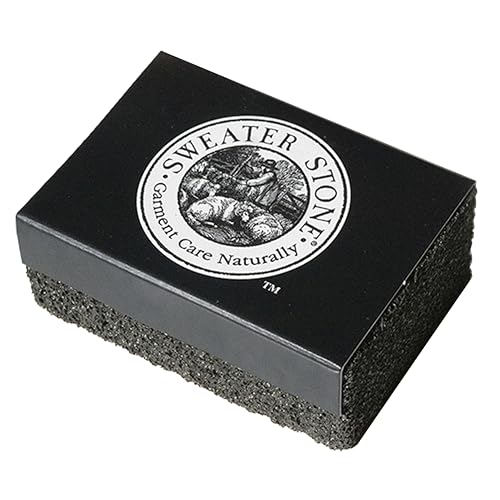

If you work with luxury fibers like cashmere or delicate angora blends, you need a tool that mimics the natural abrasion of wear without aggressive cutting. The sweater stone uses a porous, volcanic material to gently lift pills away from the surface.
Because it works by friction rather than blades, it is much harder to accidentally snag a stitch or cut a yarn strand. You simply glide it across the grain of the fabric, letting the stone catch the loose fibers.
Use this primarily for your most delicate, high-end knits. It is slow, methodical, and arguably the safest way to maintain expensive, soft fibers.
D-Fuzz-It Wool Comb: Best Budget-Friendly Tool

The D-Fuzz-It is a classic, no-nonsense tool that has been in knitting bags for generations. It is essentially a fine-toothed comb with a specialized edge designed to catch and pull off pills from heavier wool garments.

It is incredibly simple to use and requires no batteries or replacement parts. Just pull it taut across the fabric, and it will pick up those stubborn little balls of wool that accumulate under the arms or along the sides.
While it lacks the finesse of more expensive tools, its simplicity is its greatest strength. It is the perfect tool to keep in your project bag for quick touch-ups on the go.
Philips Fabric Shaver: Best Electric Alternative
Sometimes, a manual comb just isn’t enough, especially if you have a large surface area to cover or a very dense, felted wool. The Philips electric shaver uses a rotating blade behind a protective mesh to quickly trim pills.

The key to using this safely is to keep the fabric laid perfectly flat on a hard surface. Never use it on a garment while you are wearing it, as the mesh can catch and pull at your skin or the fabric itself.
Electric shavers are highly efficient but require caution. Always test a small, inconspicuous area first to ensure the mesh doesn’t catch on any textured stitch patterns like cables or lace.
Evercare Fabric Shaver: Best for Heavy Pilling

When you have a sweater that has seen years of heavy wear, you need something with a bit more power. The Evercare shaver is known for having a consistent motor that doesn’t bog down when it encounters a cluster of fuzz.
This tool is particularly effective for wool blends that contain synthetic fibers, which tend to hold onto pills more tightly than 100% natural wool. It cuts through the stubborn, matted fuzz that manual combs often glide right over.
It is a heavy-duty solution for those rescue projects you find at thrift stores. Just remember that with more power comes a higher risk of thinning the fabric, so use a light touch.
Jiffy Fabric Shaver: Best for Delicate Knits
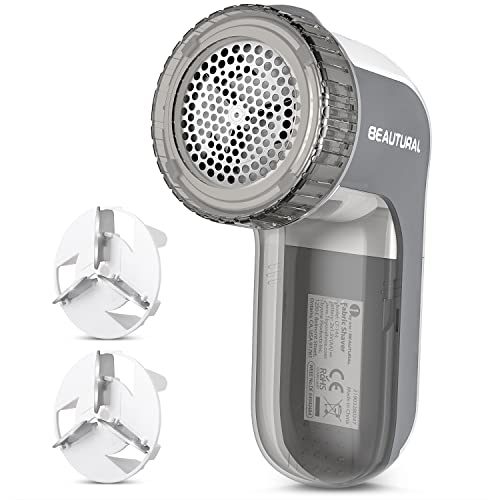
The Jiffy shaver is designed with a very fine protective guard, making it ideal for thinner wools that might otherwise be damaged by a more aggressive electric tool. It provides a clean, professional finish without the risk of "buzzing" the yarn too closely.
It is particularly useful for fine-gauge sweaters knit on 2.5mm or 3mm needles. These garments have a tighter structure, and the Jiffy’s design helps it skim the surface without catching on the individual loops.
For the knitter who prioritizes the longevity of their delicate work, this is a solid choice. It balances speed with a necessary level of caution.
Understanding Why Your Wool Sweaters Start Pilling
Pilling is simply the result of loose fibers migrating to the surface of the yarn and tangling together due to friction. It is most common in areas of high movement, such as the underarms, the sides of the torso, and the cuffs.
Not all yarn pills at the same rate. Yarns that are tightly twisted or made of long-staple wool fibers are generally more resistant to pilling than soft, single-ply, or loosely spun yarns.
It is important to remember that pilling is not a sign of poor quality. It is often a natural characteristic of soft, high-quality wool that has been spun with a focus on loft and warmth rather than durability.
How to Safely Remove Pills Without Damaging Fiber
The cardinal rule of de-pilling is to always work with the fabric laid flat on a hard, level surface. Never try to de-pill a sweater while it is hanging or while you are wearing it, as you lose the ability to control the pressure.
Start by gently stretching the area you are working on to ensure the surface is taut. If you are using a manual comb, use short, light strokes in one direction rather than scrubbing back and forth.
If you snag a stitch while de-pilling, stop immediately. Use a small crochet hook to carefully pull the snagged loop back through to the inside of the garment to prevent it from turning into a hole.
Comparing Manual Combs Versus Electric De-Pillers
Manual combs offer the most control and are generally safer for delicate, hand-knit garments. They require more physical effort but allow you to feel exactly what the tool is doing against the fiber.
Electric de-pillers are superior for speed and handling large, dense sweaters that would take hours to comb by hand. However, they carry the inherent risk of cutting through the yarn itself if the guard is not perfectly positioned.
Ultimately, the choice comes down to your patience and the value of the garment. Use manual tools for your heirloom pieces and electric tools for your everyday, hard-wearing layers.
Essential Tips for Long-Term Wool Garment Care
The best way to manage pilling is to prevent it in the first place through proper care. Always wash your woolens inside out in cool water with a gentle wool wash to reduce friction during the cleaning process.
Avoid over-washing your sweaters; wool is naturally antimicrobial and often just needs a good airing out between wears. When storing your knits, fold them neatly rather than hanging them, which can stretch the fibers and increase surface friction.
Finally, keep your knitting tools organized and your de-pilling tools close at hand. A quick, gentle touch-up after every few wears will keep your favorite sweaters looking brand new for decades.
Maintaining your hand-knits is a labor of love that extends the life of your hard work. Whether you prefer the tactile control of a wool comb or the quick efficiency of an electric shaver, the goal remains the same: protecting the fibers you spent hours knitting. Choose your tool based on the weight of your yarn and the delicacy of the stitch, and your sweaters will thank you with years of cozy service. Happy knitting, and may your sweaters stay as smooth as the day you bound off.