6 Best Tabletop Clamps For Stabilizing Fringe Work
Secure your fringe work with ease. We review the 6 best tabletop clamps to ensure stability, precision, and efficiency for all your intricate craft projects.
Achieving perfectly uniform fringe on your hand-woven wall hangings or knitted shawls requires more than just steady hands; it demands a reliable anchor. Without a proper clamp, your fiber tension will inevitably drift, leading to uneven knots and lopsided results. These six tabletop tools provide the essential stability needed to keep your project locked in place. Investing in the right stabilization method transforms a frustrating, wobbly process into a rhythmic, meditative craft session.
Pony Table Clamp for Macrame and Fringe Work


The Pony table clamp is a classic for a reason: it’s built like a tank and provides a rock-solid grip that won’t budge while you’re pulling tight knots. If you’ve ever wrestled with slippery silk yarn or heavy wool roving, you know that even a millimeter of movement can ruin your pattern’s symmetry.
This clamp excels because of its wide, flat surface area, which distributes pressure evenly across your fiber bundle. It’s particularly useful when you are working on large-scale macrame pieces where you need to maintain consistent tension over several hours of repetitive knotting.
The trade-off here is the weight and size; it isn’t the most portable option for your knitting bag. However, for a dedicated studio space, its durability is unmatched. If you value stability over portability, this is your go-to anchor.
Clover Adjustable Table Clamp for Fiber Crafts

Clover tools are famous for their ergonomic design, and this clamp is no exception. It’s designed to be gentle on delicate fibers, which is a major win if you’re working with luxury yarns like angora or hand-dyed alpaca that can easily snag or break.
The adjustable nature of this clamp means you can toggle the tension based on the thickness of your project. Whether you’re working with a fine lace-weight yarn or a thick, chunky cotton cord, you can dial in the exact amount of pressure required without crushing the fiber’s loft.
Keep in mind that the plastic components, while high-quality, aren’t meant for extreme, heavy-duty industrial tension. It’s a precision instrument, not a construction tool. Use it for your fine-detail work where finesse matters more than raw force.
Darice Craft Table Clamp for Steady Fringe Work

If you are just starting out with fringe work, the Darice clamp offers a straightforward, no-nonsense solution. It’s an entry-level tool that does exactly what it promises: it keeps your work pinned to the table so you can focus on your knotting technique.
The clamping mechanism is intuitive and quick to set up, which is perfect for those "I only have thirty minutes to craft" evenings. It lacks some of the bells and whistles of high-end models, but it gets the job done without a steep learning curve.
Be aware that the contact pads can occasionally leave marks on softer wood tables if you overtighten them. I recommend placing a small scrap of felt or a coaster under the clamp to protect your furniture. It’s a simple fix for a very reliable, budget-friendly tool.
Beadsmith Table Clamp for Precision Knotting
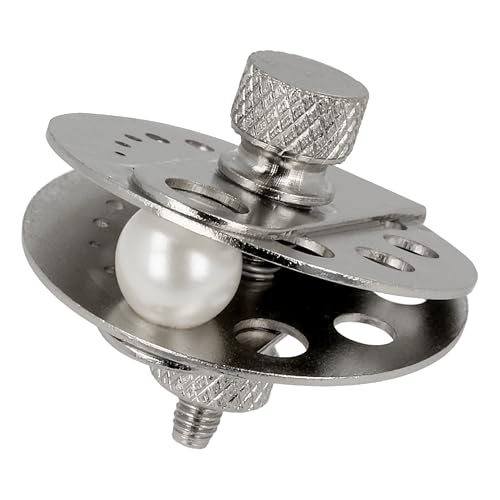
The Beadsmith clamp is specifically engineered for those who treat their fiber work like jewelry. If your fringe involves beads, metal findings, or very thin threads, you need the micro-adjustability this clamp provides.
The tension control is incredibly fine, allowing you to secure your work without distorting the shape of your knots. This is crucial when you’re working with non-stretch fibers like linen or hemp, where there is zero margin for error.
The downside is that it has a smaller footprint than other clamps, meaning it’s not ideal for massive, heavy-weight projects. It is, however, the gold standard for intricate, small-scale fringe work. If your projects lean toward the delicate side, look no further.
West Coast Paracord Clamp for Large Projects

When you’re working with heavy-duty materials like paracord, jute, or thick cotton rope, you need a clamp that can handle significant pull. The West Coast Paracord clamp is built for these high-tension scenarios where other, more delicate clamps might snap.
This tool is designed to hold thick bundles securely, preventing the "sliding" effect that happens when your cord is too thick for a standard clamp. It’s a workhorse that thrives under the pressure of large wall hangings or heavy-duty macrame plant hangers.
Because it is designed for thickness, it might be overkill for delicate knitting fibers. Don’t try to use it on thin wool; you’ll likely find it difficult to get a secure grip on fine strands. Match your tool to the thickness of your material, and you’ll be set.
Kobra Heavy Duty Clamp for Fiber Stabilizing
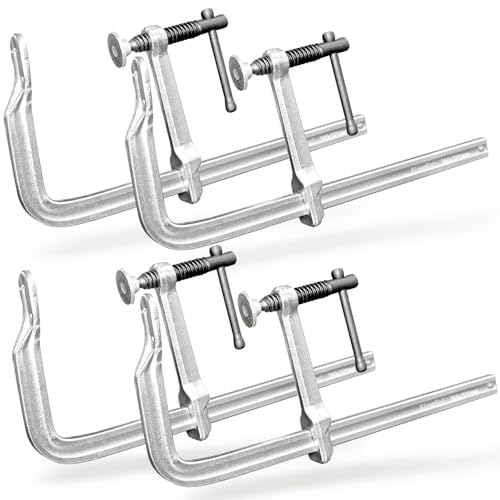
The Kobra clamp is essentially the professional’s choice for heavy-duty fiber stabilization. It features a robust metal frame that provides a completely rigid anchor point, essential for long, complex projects that stay on your table for weeks at a time.
What I appreciate most about this clamp is its consistent clamping pressure; once you set it, it stays set until you release it. This eliminates the need for constant readjustment, allowing you to get into a "flow state" where your hands do the work automatically.
It is definitely on the pricier side, and its industrial aesthetic might not be for everyone. However, if you are a professional maker who spends hours every day at the table, the ergonomic benefit of not having to constantly fix your setup is well worth the investment.
How to Choose the Right Clamp for Fringe Work
Choosing a clamp isn’t just about the tool; it’s about the relationship between your fiber and your workspace. Start by considering the weight and texture of your yarn. Slippery synthetics require a clamp with high-friction pads, while delicate wools require a clamp with a wide surface area to avoid crushing the fiber.
Also, consider the thickness of your table. Not every clamp fits every surface, and a clamp that is too small for your table edge will be a constant source of frustration. Always measure the thickness of your craft table before purchasing.
Finally, think about your project volume. If you only do fringe work once a year, a budget-friendly option is perfectly fine. If you are a daily maker, prioritize durability and ease of adjustment over price.
Essential Features for Stable Fiber Crafting
When shopping for a clamp, look for these three non-negotiable features:
- Non-slip padding: This protects your table and keeps the clamp from sliding during vigorous knotting.
- Adjustable tension screw: You need the ability to fine-tune the pressure based on the fiber type.
- Wide jaw opening: This ensures the clamp can accommodate both your project bundle and any specialized mounting boards you might be using.
Beyond these, consider the build material. Metal clamps offer superior longevity, while high-density plastics are lighter and often easier to handle for those with arthritis or limited grip strength. There is no "best" material, only the one that fits your physical needs and project goals.
Setting Up Your Workspace for Fringe Projects
Your workspace setup is just as important as the tool itself. Ensure your table is at a comfortable height to avoid hunching, which can lead to shoulder tension after long sessions. I always suggest clamping your work to the edge of the table that faces your dominant hand.
Lighting is the hidden factor in fringe work; place your clamp near a window or use a dedicated task lamp. Seeing the structure of your knots clearly will prevent mistakes that are difficult to undo later.
Keep your essential tools—scissors, measuring tape, and a crochet hook for tucking ends—within arm’s reach of the clamp. When your workspace is organized, your hands can stay focused on the rhythm of the fiber, leading to cleaner, more professional results.
Troubleshooting Common Fringe Stabilizing Issues
If you find that your work is still slipping, don’t immediately blame the clamp. Often, the issue is that the fiber bundle is too slick or too thin for the clamp’s current tension setting. Try wrapping your fiber bundle in a piece of scrap cotton fabric before clamping it; this adds grip and protects the yarn.
If the clamp is marking your table, use a small piece of silicone shelf liner between the clamp and the wood. This also acts as a stabilizer, adding an extra layer of "bite" to the clamp’s grip.
Lastly, if your knots aren’t uniform despite the clamp, check your own posture. If you are pulling the fiber at an inconsistent angle, the clamp can only do so much. Keep your pulls consistent in direction and force to ensure that your fringe looks intentional and professional.
Selecting the right clamp is a foundational step in elevating your fringe work from a hobbyist project to a polished, professional piece. By matching the clamp’s tension and surface area to your specific fiber, you create a stable foundation that allows your creative technique to shine. Remember that the best tool is the one that disappears into your process, letting you focus entirely on the rhythm of your craft. With a secure anchor, you’ll find that even the most intricate fringe patterns become a joy to execute.