7 Best Blocking Combs For Intricate Crochet Worth Owning
Master your crochet projects with these 7 top-rated blocking combs. Achieve professional, uniform edges and perfect shaping for your most intricate designs.
Blocking is the final, transformative step that turns a puckered, uneven piece of crochet into a professional-grade masterpiece. While traditional pins can be tedious and inconsistent, blocking combs provide the structure needed to achieve perfectly crisp edges and uniform motifs. Investing in the right set allows you to spend less time fussing with tension and more time admiring your finished stitches. Here are the top tools to elevate your fiber arts toolkit.
Knitter’s Pride Knit Blockers: Best Overall Pick


These blockers are the gold standard for a reason, featuring a sturdy plastic frame with embedded stainless steel pins. They allow you to anchor large sections of fabric at once, which is a massive time-saver when you are squaring off a complex granny square blanket.
The design is incredibly intuitive, offering both 4-pin and 8-pin configurations to handle different edge lengths. Because the pins are set at a fixed distance, your spacing remains perfectly consistent across the entire project, eliminating the "wavy" look that happens when individual pins shift.
The primary tradeoff is the height of the pins; they are excellent for standard worsted weight, but can feel a bit bulky for extremely fine lace. If you primarily work on large-scale projects, these will likely become the most-used tool in your blocking kit.
Clover Blocking Combs: Best for Delicate Lace
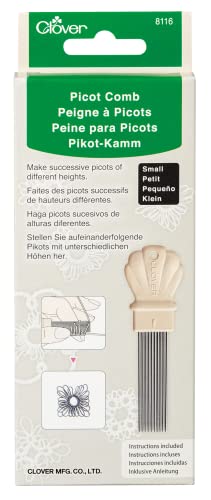
When you are working with fine-gauge lace or delicate silk blends, you need precision over brute force. Clover’s combs are designed with a slim profile that respects the structural integrity of thin yarns, ensuring you don’t stretch the fiber beyond its natural recovery point.
These combs are particularly effective for blocking scalloped edges or intricate picot stitch patterns. The smaller size allows you to navigate tight corners and curves that would be impossible with wider, rigid blocking tools.
Be mindful that these are lightweight, so they may not hold up under the tension of heavy, water-logged wool. Save these for your heirloom-quality lace projects where finesse is the priority.
Susan Bates Knit-Check Blocking Set Review
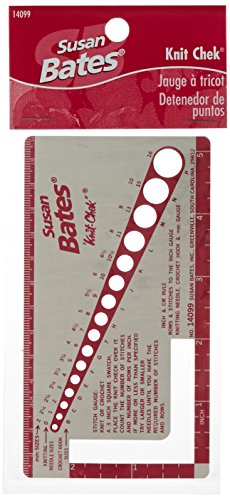
The Susan Bates set is a classic choice that focuses on utility and versatility. It includes a variety of pin configurations, making it a great "all-in-one" starter kit for someone who likes to experiment with different crochet techniques.
The pins are reliable and have a decent point, though they lack the ergonomic grip found in more modern, premium sets. They get the job done without any unnecessary bells and whistles, which is often exactly what a practical crocheter needs.
If you are just starting your journey, this set provides the most flexibility for your dollar. It is a workhorse set that will survive years of use, even if it doesn’t offer the high-end feel of boutique brands.
Boye Blocking Combs: Best Budget-Friendly Option
Sometimes you don’t need a luxury tool; you just need something that keeps your crochet pinned down while it dries. Boye provides a straightforward, no-nonsense solution that is accessible to makers on a budget.
These combs are durable enough for everyday cotton projects and sturdy enough to handle the weight of a damp acrylic throw. While they might lack the polished finish of more expensive sets, the functionality remains high.
The main consideration here is the pin gauge; they are slightly thicker than premium alternatives. Use these for sturdy, everyday items rather than delicate lace to avoid distorting the stitch definition.
Lacis Blocking Combs: Best for Heavy Projects
If you find yourself blocking heavy-weight wool sweaters or dense, tapestry-style crochet, look toward Lacis. These combs are built for projects that require significant tension to hold their shape during the drying process.
The pins are robust and set in a rigid base that resists bending, even when you are pulling against the weight of a saturated, bulky-weight yarn. They are an excellent investment for makers who specialize in winter garments and home decor.
Because they are heavier, they provide a very secure hold on foam blocking mats. They are the clear winner when your project demands a "lock and load" approach to blocking.
Cocoknits Maker’s Keep: Best Accessory Pairing
While not a blocking comb itself, the Cocoknits system is the ultimate companion for your blocking workflow. Keeping your combs organized and within reach is essential when you have a large project spread across the floor.
The magnetic nature of their storage solutions ensures that you aren’t losing pins under the rug or misplacing your tools mid-block. It turns a chaotic process into an organized, professional experience.
Pairing these accessories with your favorite blocking combs creates a seamless environment. You will find that your blocking sessions become much faster when you aren’t digging through a drawer for the right piece.
Knit Picks Blocking Combs: Best Value Set

Knit Picks has hit a sweet spot with a set that balances quality materials with an affordable price point. You get a generous amount of pins, allowing you to block multiple motifs or a large shawl without running out of tools.
The build quality is consistent, and the pins are sharp enough to pierce through most blocking mats without resistance. It is a very reliable middle-ground option for the intermediate maker.
If you are looking to upgrade from T-pins but aren’t ready for a high-end professional kit, this is your best bet. It offers a noticeable improvement in efficiency without a steep investment.
Why Blocking Combs Outperform Standard T-Pins
Standard T-pins are the traditional choice, but they are prone to leaving gaps or creating uneven tension points. Each T-pin must be placed individually, which often leads to inconsistent spacing and a "scalloped" edge that looks unintentional.
Blocking combs, by contrast, distribute the tension across a wider surface area. This keeps the edge of your crochet straight and prevents the "bumpy" look that occurs when you accidentally pull one pin tighter than the next.
For intricate crochet, the time saved is significant. You can pin an entire edge in seconds rather than minutes, allowing you to focus on shaping the piece correctly rather than just keeping it held down.
Essential Tips for Blocking Intricate Crochet
Always ensure your crochet is damp, not soaking wet, before you begin pinning. If the piece is too heavy with water, the weight of the fiber can cause the yarn to stretch permanently, ruining your stitch definition.
When pinning, start from the center and work your way out toward the edges. This ensures that the fabric is distributed evenly and prevents the distortion of your motifs.
Finally, allow the piece to dry completely before removing the combs. If you unpin while the yarn is still slightly damp, the fibers may "spring back" and lose the crisp shape you worked so hard to achieve.
How to Maintain Your Blocking Tools Over Time
After every use, wipe your pins down with a soft, dry cloth to remove any residual moisture or fiber debris. This prevents oxidation, especially if you are working with natural wools that may have been treated with lanolin or other oils.
Store your combs in a cool, dry place to prevent the pins from rusting over time. If you notice a pin becoming dull or slightly bent, use a fine-grit file to smooth it out, which will prevent it from snagging your delicate yarn.
Treating your tools with care ensures they stay sharp and effective for years. A well-maintained set of blocking combs is a permanent asset in any serious crocheter’s collection.
Choosing the right blocking combs is about matching your tool to the weight and complexity of your yarn. Whether you opt for the precision of Clover or the durability of Lacis, the goal is to make the finishing process as enjoyable as the stitching itself. With the right equipment, your crochet projects will finally look as polished as they deserve to be. Happy blocking, and may your edges always be perfectly straight.