7 Best Blocking Boards For Geometric Shapes To Use
Discover the 7 best blocking boards for geometric shapes. Learn how these essential tools ensure precision, symmetry, and perfect edges for your craft projects.
Achieving perfectly crisp, geometric edges on your finished pieces is the secret to elevating a handmade item into a professional-looking garment. When you spend weeks meticulously working your gauge, the final blocking process is where those stitches finally settle into their intended shape. Whether you are working with delicate lace or structured wool, the right board ensures your hard work doesn’t lose its form. Here are the top tools to help you master the art of the perfect block.
Knitter’s Pride KnitIQ Blocking Mats: Best Overall


These mats have become the gold standard in my studio for a reason. They offer a generous surface area that locks together seamlessly, preventing the dreaded gaps that can snag delicate fibers.
The thickness of these mats is what truly sets them apart. Because they are substantial, your T-pins or blocking wires will sit securely without poking through the back and scratching your table surface.
If you frequently block larger items like sweaters or rectangular shawls, the modular nature of these tiles is a lifesaver. You can configure them into long strips or wide squares depending on the footprint of your project.
Cocoknits Blocking Mat and Pins: Best for Precision
If you are a knitter who obsesses over symmetry, the Cocoknits system is designed for you. The mats come with a printed grid that is incredibly helpful for ensuring your geometric corners are perfectly square.
The real magic, however, lies in the included T-pins and the specific density of the foam. It is firm enough to hold tension without the mat "creeping" or bowing when you are pulling a project taut.
This system is a higher investment, but it pays off if you work with expensive, heavy fibers like alpaca or silk. These fibers have a lot of drape, and having a stable, reliable surface is essential to keep them from sagging while they dry.
Boye Interlocking Foam Mats: Best Budget Option

Sometimes you don’t need the bells and whistles of a premium system; you just need a reliable surface to pin down a scarf. These interlocking tiles are an excellent entry-level choice for those building their knitting toolkit.
They are lightweight and easy to store, making them perfect for knitters with limited space. While they aren’t as dense as professional-grade mats, they get the job done for standard wool or acrylic projects.
Just be mindful that these are thinner than premium options. You will want to place them on a hard, flat surface like a dining table rather than a carpet to ensure your project doesn’t end up with a wavy edge.
Clover Blocking Mats: Best for Small Projects

Clover is synonymous with thoughtful design, and these mats are no exception. They are smaller than the typical interlocking floor tiles, which makes them ideal for blocking individual granny squares or small motifs.
The material is high-quality, closed-cell foam that resists moisture buildup. This is vital because you want your project to dry evenly without the mat absorbing water and holding it against your yarn.
If you are a quilter or a crochet artist who makes many small geometric shapes, these are a dream. You can keep one or two on your desk without them taking over your entire workspace.
Lacis Wooden Blocking Board: Best for Lace Work
For those who prioritize tradition and extreme stability, a wooden board is the ultimate choice. Lace work, in particular, requires significant tension to open up the stitches, and wood provides a rigid, non-yielding anchor.
The holes are precision-drilled, allowing you to use pegs to hold your lace in place. This is much more secure than pins, which can sometimes slip out of foam if the tension is too high.
While they are less portable than foam, the longevity of a wooden board is unmatched. If you care for it properly, it will likely be the last blocking board you ever need to buy.
ArtBin Foam Blocking Tiles: Best for Durability
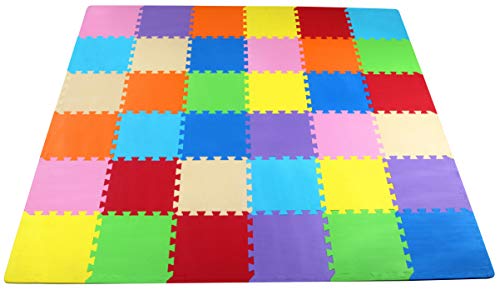
ArtBin is known for storage solutions, and their blocking tiles reflect that same focus on long-term utility. These tiles are incredibly dense, which means they stand up to repeated pinning without developing "pin fatigue" or crumbling edges.
If you are a high-volume knitter who blocks projects every week, the durability of these mats is a major advantage. They hold their shape over time, ensuring your grid remains accurate even after years of use.
They are also very easy to clean. If you accidentally get a bit of fiber dust or water on them, a quick wipe-down is all it takes to keep them in pristine condition.
Beadsmith Macrame Board: Best for Small Shapes

Though designed for macrame, this board is a secret weapon for knitters working on intricate geometric motifs. The surface is self-healing, meaning it doesn’t leave permanent holes when you use pins.
The board is stiff and compact, making it perfect for blocking small, complex pieces like lace doilies or delicate jewelry. It provides a level of rigidity that is often missing from softer foam mats.
If you find yourself struggling to keep small, fiddly shapes square, this board offers the control you need. It is a niche tool, but one that earns its keep for detailed, precision-heavy work.
Why Grid Markings Are Essential for Blocking
A grid is more than just a visual guide; it is your primary tool for ensuring geometric accuracy. Without those lines, it is remarkably easy to accidentally stretch one side of a project more than the other.
When you are blocking a sweater or a geometric shawl, the grid helps you verify that your corners are at 90-degree angles. This is the difference between a project that looks "homemade" and one that looks like a high-end boutique piece.
Always take the time to align your project’s center point with a line on the grid. This simple step ensures that your tension is distributed evenly across the entire surface of the fabric.
How to Choose the Right Material for Your Mats
The material of your mat dictates how it reacts to water and tension. High-density foam is the industry standard because it is lightweight, water-resistant, and provides enough grip for pins.
If you work with delicate animal fibers, look for mats that are moisture-wicking or have a non-porous surface. You don’t want your mats to harbor mold or mildew, especially if you live in a humid climate.
Consider the "pin-ability" of the material as well. You want a surface that allows a pin to slide in easily but holds it firmly in place once it is set.
- High-Density Foam: Best for general knitting; durable and lightweight.
- Wood: Best for high-tension lace; provides a rigid, permanent anchor.
- Self-Healing Materials: Best for small, intricate motifs; resists wear and tear.
Pro Tips for Achieving Perfect Geometric Edges
The most important rule of blocking is to never over-stretch your fabric. You want to guide the stitches into shape, not force them into a distorted version of themselves.
Use blocking wires for long, straight edges. Wires allow you to tension an entire side of a blanket or shawl at once, which creates a much cleaner, straighter line than using individual pins.
Finally, always let your project dry completely before removing the pins. If you unpin while the yarn is still damp, the fibers will "remember" their previous shape and your geometric edges will soften and lose their crispness.
Investing in a quality blocking board is one of the most impactful upgrades you can make for your knitting practice. By providing a stable, measured foundation, these tools ensure that the beauty of your stitch pattern truly shines through. Choose the option that best fits your project size and fiber preferences, and you will see an immediate difference in your finished work. Happy knitting, and may your edges always be sharp and perfectly square.