6 Best Ergonomic Knitting Needles For Arthritic Hands
Discover the 6 best ergonomic knitting needles designed to reduce joint strain. Improve comfort and extend your crafting time with these arthritis-friendly picks.
Knitting should be a source of solace, not a source of physical pain. When your joints begin to protest after only a few rows, it is often a sign that your tools—not your technique—need a serious evaluation. By shifting to needles designed with ergonomics in mind, you can often reclaim hours of comfortable stitching. This guide explores the best options for those managing arthritis, helping you keep your passion alive without the ache.
Addi Swing Ergonomic Crochet and Knitting Hooks


The Addi Swing series is a masterclass in anatomical design. These tools feature a unique, curved handle that conforms to the natural shape of your palm, effectively reducing the need for a tight, "death-grip" on your needles.
For knitters struggling with repetitive strain, this shape is a game-changer. By allowing your hand to remain in a more neutral position, the pressure is distributed across the palm rather than concentrated in the delicate joints of your fingers.
However, the unconventional shape takes some getting used to. If you are a traditionalist who prefers long, straight needles, the transition might feel awkward at first. Stick with it for a few projects; your tendons will likely thank you.
ChiaoGoo Red Lace Circulars for Less Hand Strain
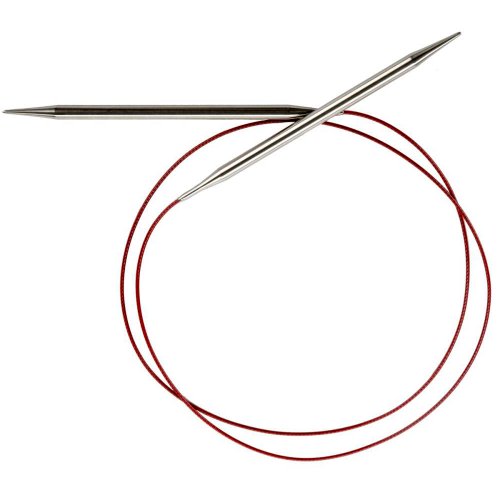
ChiaoGoo Red Lace needles are beloved for their signature flexible, multi-strand steel cable. This cable is memory-free, meaning it never kinks or coils, which keeps your project moving smoothly without you having to fight the cord.

The stainless steel finish is exceptionally slick, which helps stitches glide over the needle with minimal effort. If you have arthritis, this reduction in friction is vital; you don’t have to pull or tug at your yarn to move it along the shaft.
Be aware that these are very sharp needles. If you have a habit of pushing the needle tip with your finger, you may need to adjust your technique or use a thimble to avoid soreness.
Clover Takumi Bamboo Needles for Lightweight Grip
Clover Takumi needles are the gold standard for those who find metal needles too heavy or slippery. Bamboo is naturally lightweight, which reduces the overall load on your wrists during long knitting sessions.
The surface of these needles has just enough "tooth" to keep your yarn from sliding off accidentally. This allows you to maintain a looser, more relaxed tension because you aren’t constantly worried about dropped stitches.
If you are working with very slick fibers like silk or bamboo yarn, these needles offer a much-needed sense of control. They are the perfect antidote to the fatigue caused by constantly gripping slippery metal needles.
Lykke Driftwood Needles for Smooth Warm Texture
Lykke needles are crafted from birch wood, which feels remarkably warm and soft to the touch. Unlike cold metal, this material doesn’t shock arthritic joints, making them a fantastic choice for knitting in cooler environments.
The wood is polished to a high sheen, ensuring that the yarn moves easily without feeling "grabby." This balance of grip and glide is ideal for those who want the comfort of wood without the frustration of slow-moving stitches.
Because they are made of wood, they can be more fragile than metal counterparts. Avoid using them for heavy, dense projects that put significant stress on the needle tips to prevent snapping.
Knitter’s Pride Ginger Needles for Comfort Hold

The Knitter’s Pride Ginger line combines the warmth of wood with a tapered, ergonomic design. These needles are specifically engineered to be smooth in the center and slightly more structured at the tips, which helps with picking up stitches.
The wood is laminated, making it stronger than standard bamboo while retaining that lovely, non-slip feel. This durability is excellent if you are a "tight" knitter who tends to put a lot of pressure on your needle tips.
They are particularly comfortable for those who suffer from finger stiffness in the mornings. The tactile feedback of the wood helps keep your hands engaged without requiring a heavy, strained grip.
Kollage Square Needles to Reduce Joint Tension

Kollage Square needles are perhaps the most innovative tool for those with severe hand pain. The square shape provides flat surfaces for your fingers to rest against, which inherently requires less muscular force to hold than a round needle.
When you knit with square needles, your fingers don’t have to wrap as tightly to maintain control. This simple geometry can significantly reduce the internal pressure on your finger joints during a long evening of knitting.
If you are new to square needles, you might notice your gauge changes slightly. Always swatch before starting a large project to see if you need to adjust your needle size to hit your target stitch count.
Understanding Ergonomics for Pain Free Knitting
Ergonomics in knitting is about minimizing the effort required to produce a stitch. When your tools are poorly matched to your hand size or grip style, your muscles compensate by over-tensing, which leads to inflammation.
The goal is to move from a "pinch" grip to a "palm" grip whenever possible. Tools that are thicker or have ergonomic handles encourage this shift, taking the load off the small, sensitive joints in your knuckles.
Remember that ergonomics isn’t just about the needle; it is about the entire system. Your chair height, lighting, and even the weight of your project all play a role in how much strain your hands experience.
How Needle Material Impacts Your Hand Comfort
The material of your needle changes the amount of work your hands must do to move the yarn. Slick materials like nickel or stainless steel require less physical effort to slide stitches, but they demand more "control" to keep stitches from falling off.
- Metal: Best for speed and slick yarns, but can be cold and heavy.
- Wood/Bamboo: Best for grip and warmth, but can create drag with sticky fibers like mohair.
- Carbon Fiber: Offers a unique middle ground—lightweight like wood but smooth like metal.
Choosing the right material is a trade-off between control and speed. If your arthritis is triggered by the "tug" of friction, choose a slicker needle. If it is triggered by the "grip" of keeping stitches on, choose a grippier wood needle.
Tips for Choosing the Right Needle for Arthritis
When selecting needles, start by auditing your current collection. If you find yourself constantly rubbing your thumb or index finger, look for needles with a larger diameter or a rubberized grip.
Don’t be afraid to size up. If a pattern calls for 4mm needles, try a 4.25mm or 4.5mm if you find you are knitting too tightly. A looser tension is almost always more comfortable for arthritic hands.
Finally, consider the weight of your project. Heavy wool blankets on long circular needles create a pendulum effect that can strain your wrists. Use lightweight aluminum or wooden needles for large projects to keep the weight manageable.
Essential Stretching Exercises for Knitters
Before you cast on, spend two minutes warming up your hands. Start by gently making a fist and then splaying your fingers wide, repeating this ten times to encourage blood flow to the small muscles in your hands.
Wrist circles are equally important. Rotate your wrists slowly in both directions to release the tension that builds up from holding the needles in a fixed position for extended periods.
Take a "knitting break" every thirty minutes. Stand up, drop your arms to your sides, and shake out your hands to reset your muscle tension. Consistent, gentle movement is the best defense against joint stiffness.
Managing arthritis in your knitting practice is all about making small, intentional adjustments to your tools and habits. By prioritizing needle ergonomics and listening to your body’s signals, you can continue to create beautiful textiles for years to come. Do not hesitate to experiment with different materials and shapes until you find the perfect match for your unique hands. Your comfort is the most important part of your craft.