6 Best Stitch Holders For Heel Turns To Try
Master heel turns with ease. We review the 6 best stitch holders to keep your knitting organized, secure, and tension-perfect for every complex project.
Mastering the heel turn is the rite of passage that separates casual sock knitters from true experts. Managing those resting stitches while you navigate short rows can feel like a high-stakes balancing act of tension and precision. Having the right tools to secure your live stitches ensures that your transition stays smooth and your heel remains structurally sound. Here are the best stitch holders to help you navigate the turn with confidence and ease.
Clover Jumbo Stitch Holders: Best for Sock Heels
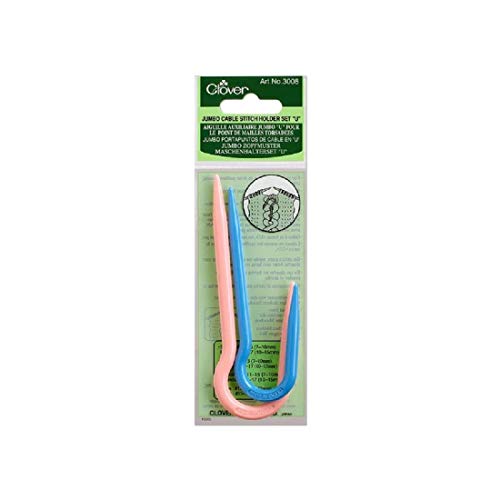

These jumbo-sized holders are surprisingly effective for sock knitters despite their name. While they look massive compared to a fine 2.25mm sock needle, the length allows you to easily slide your resting heel stitches onto the holder without cramping your hands.
The primary benefit here is the secure locking mechanism that stays shut even when tossed into a project bag. If you are prone to losing stitches while moving your project between your lap and your knitting basket, these provide a reliable safety net.
However, keep in mind that the bulk of the plastic can feel a bit cumbersome if you are working with very fine fingering weight yarn. If you prefer a lightweight tool, these might feel like overkill, but they are undeniably the safest bet for preventing accidental drops.
Cocoknits Stitch Markers: Best for Heel Turns

Cocoknits markers are a revelation for knitters who find traditional holders too bulky for the delicate work of a heel turn. These are not stitch holders in the traditional sense, but their open-ring design makes them perfect for marking your pivot points.
When you are deep in a short-row heel, knowing exactly where your "wrap and turn" stitches are is vital. These markers can be slipped onto the needle and remain there through the turn, acting as a visual guide that prevents you from miscounting your stitches.
Because they are made from nylon-coated steel, they have a slight weight that keeps them anchored. They won’t snag your yarn, which is a common frustration with cheaper, plastic markers that have rough seams.
ChiaoGoo Point Protectors: Best Secure Option

If you prefer to keep your resting stitches directly on the needle tips, ChiaoGoo point protectors are the gold standard. They are made of a soft, flexible silicone that grips the needle shaft firmly, ensuring your stitches don’t slide off while you focus on the active side of the heel.
They are particularly useful if you use circular needles for your socks. By capping the ends of your needles, you effectively turn your circulars into a secure storage device, keeping your heel stitches exactly where they need to be.
The trade-off is that they can be a bit tight to pull on and off repeatedly. If you have any hand mobility issues, you might find the constant tugging to remove them during the heel turn slightly fatiguing.
Susan Bates U-Shaped Holders: Best for Stability

The classic U-shaped aluminum holder has been a staple in knitting kits for decades for good reason. They are incredibly stable and provide a rigid structure that keeps your stitches in a neat, orderly row while you work the rest of the heel.
The metal construction is slick, which makes transferring stitches back to your needle a quick, snag-free process. This is especially helpful if you are working with a sticky wool yarn that tends to grab onto plastic tools.
The main downside is the lack of a locking mechanism on some models, which can lead to stitches sliding off if the holder is tilted. Always double-check that your stitches are pushed well into the bend of the "U" before setting your project down.
Tulip Etimo Stitch Holders: Best Precision Tool
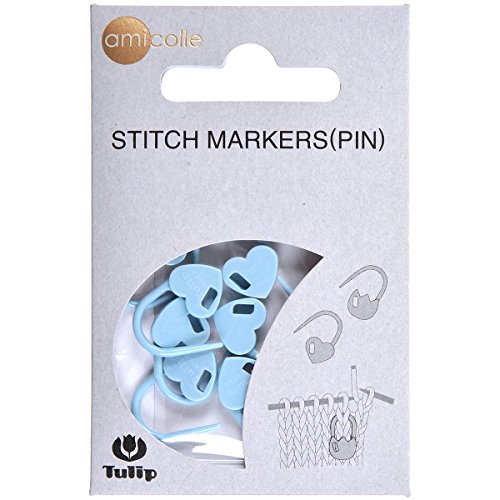
Tulip is renowned for their ergonomic design, and their stitch holders are no exception. They are crafted with a smooth, polished finish that feels luxurious in the hand and glides through even the most delicate lace-weight yarns without a hitch.
These are the best choice for knitters who prioritize tactile feedback. If you struggle with the "clunkiness" of plastic tools, the refined, slim profile of these holders will feel like a natural extension of your needles.
Because they are a premium tool, they come at a higher price point. If you only knit socks occasionally, they might be an investment; if you are a dedicated sock knitter, the precision they offer during a complex heel turn is well worth the cost.
HiyaHiya Locking Stitch Markers: Best Versatility

HiyaHiya’s locking markers act like tiny safety pins, which makes them incredibly versatile for heel turns. You can use them to hold a single stitch or a small group of stitches that need to be isolated during your short rows.
The locking mechanism is crisp and secure, providing an audible "click" that confirms the stitch is safe. This provides immense peace of mind when you are working on a complicated pattern where one dropped stitch could ruin the geometry of the heel.
Because they are small, they won’t add any weight or distortion to your fabric. They are ideal for knitters who want a tool that stays out of the way, allowing them to focus entirely on their tension and stitch count.
Why Stitch Holders Matter During the Heel Turn
The heel turn is essentially a series of short rows where you work back and forth on a subset of your total stitches. During this time, the "resting" stitches—those not currently being worked—are vulnerable to stretching, laddering, or slipping off the needle.
Using a holder keeps these stitches in a neutral position, preventing the yarn from pulling tight or loosening over time. This uniform tension is the secret to a professional-looking heel that fits comfortably inside a shoe.
Without a holder, you are relying on the needle tip to hold everything in place, which often leads to the dreaded "laddering" effect. A dedicated tool ensures that the transition between the held stitches and the active stitches is seamless.
How to Prevent Ladders When Turning Your Heel
Ladders occur when there is too much slack in the yarn between the last stitch of one row and the first stitch of the next. To prevent this, always pull your working yarn slightly tighter on the first stitch of every row during the turn.
Another trick is to pick up the loop from the row below and knit it together with your first stitch. This effectively closes the gap and reinforces the fabric at the pivot point, where the most stress occurs.
Finally, ensure your stitch holder is positioned close to the working area without being in the way. If the holder is too far from the needles, the yarn will be pulled at an angle, creating a visible gap that will look like a ladder once you finish blocking.
Selecting Materials: Plastic vs. Metal Holders
Your choice of material should depend largely on the yarn you are using. Metal holders are generally slicker, making them ideal for wool or cotton yarns that have a bit of "grip" and might get stuck on plastic.
Plastic holders often have a bit more "tooth," which can be beneficial if you are working with slippery materials like silk, bamboo, or superwash wool. These fibers can slide right off a metal holder, so the extra friction of plastic is a helpful safeguard.
Consider your own knitting style as well. If you have a tendency to knit very tightly, a slick metal tool will make the process of transferring stitches back to your needle much less frustrating.
Expert Tips for Managing Stitches While Turning
Always count your stitches before and after the heel turn to ensure you haven’t accidentally dropped or increased a stitch. It is easy to get distracted by the rhythm of the short rows and miss a stitch tucked away in a corner.
Keep your resting stitches on the holder for as long as possible. Many knitters make the mistake of moving them back to the needle too early, which just creates more opportunities for a stitch to slip or a gap to form.
When in doubt, use a piece of waste yarn as a makeshift holder. Sometimes, a simple length of smooth, contrasting-colored yarn threaded through your stitches is the most flexible and least intrusive way to hold them while you navigate a tight heel turn.
Choosing the right stitch holder for your heel turns is about finding the balance between security and convenience. Whether you prefer the rigid stability of a metal U-holder or the versatility of locking markers, the goal is to keep your stitches safe and your tension consistent. Experiment with these options to see which tool feels most natural in your hands during your next pair of socks. Happy knitting, and may your heels always turn out perfectly smooth.