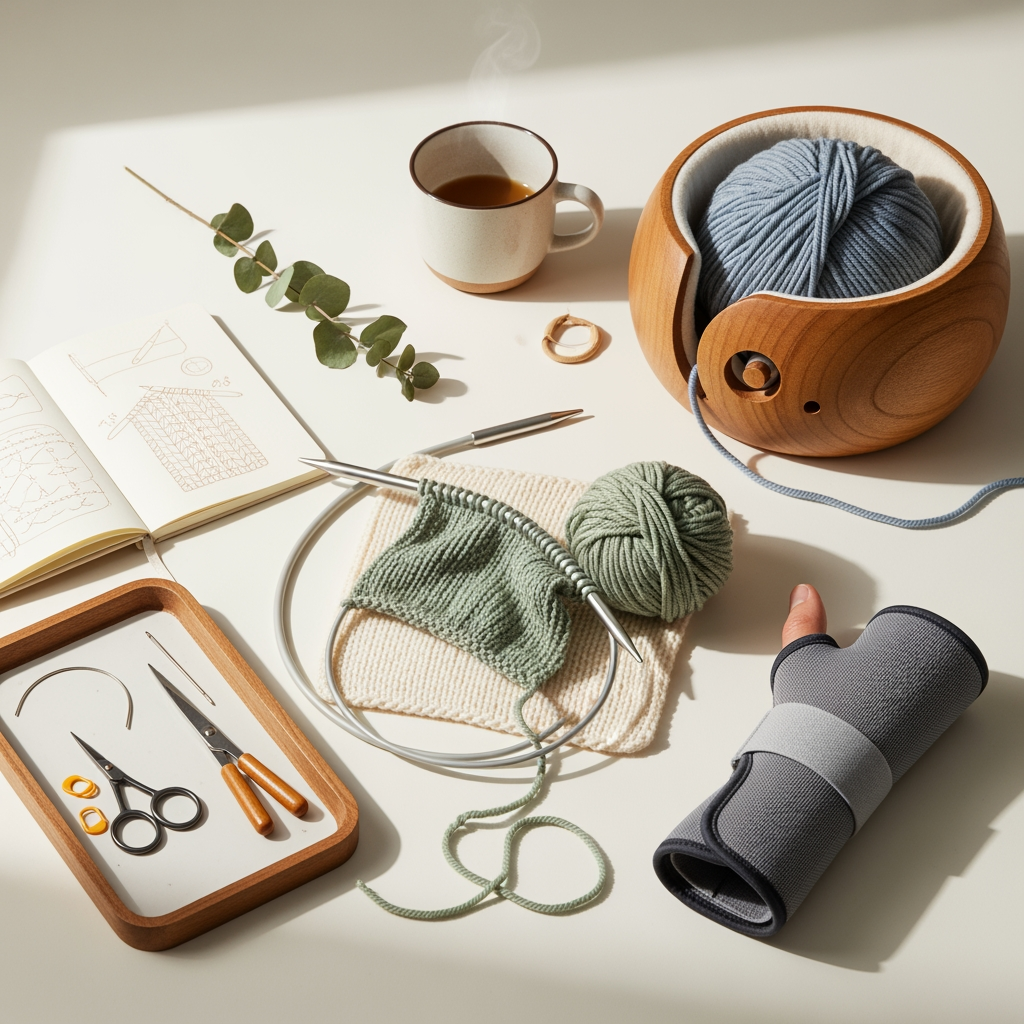
7 Best Ergonomic Lighting Solutions For Arthritic Knitters
Reduce strain with these 7 ergonomic lighting picks. Enhance visibility and comfort for arthritic knitters with adjustable, glare-free, and stable designs.
Knitting with arthritis requires more than just ergonomic needles; it demands a workspace that eliminates the need for squinting and hunching. When your joints are inflamed, poor lighting forces you to lean forward, putting unnecessary strain on your neck, shoulders, and wrists. By optimizing your visual environment, you allow your hands to relax into a more natural, fluid motion. These seven lighting solutions are designed to turn your craft space into a pain-free sanctuary.
OttLite 2-in-1 LED Floor Lamp: Best for Precision


If you’ve ever tried to work with dark navy or charcoal wool, you know the struggle of finding the stitch definition. The OttLite 2-in-1 is a staple in many studios because it mimics natural daylight, which is essential for seeing the texture of your yarn.
This lamp is particularly effective because it reduces glare, a common trigger for eye fatigue that leads to subconscious muscle tension. When you aren’t fighting to see your stitches, your hands tend to maintain a lighter, more ergonomic grip on the needles.
The "2-in-1" feature allows you to switch between a floor lamp and a tabletop version. This versatility is a major plus if you rotate between a comfy armchair for lace work and a desk for pattern reading.
Brightech LightView Pro LED Magnifying Floor Lamp
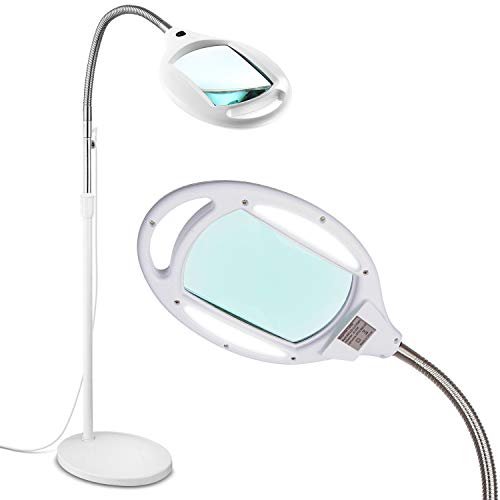
Magnification is a game-changer for knitters dealing with arthritis, especially when working on intricate cables or lace. The LightView Pro combines a bright light source with a high-quality glass lens, allowing you to see every strand of your yarn clearly.
Using this lamp means you don’t have to hunch over your work to inspect a missed stitch or a dropped loop. By keeping your spine neutral and your head upright, you prevent the "knitter’s hunch" that often exacerbates joint stiffness.
While the magnification is excellent, it takes a moment to adjust to the depth perception. Start with shorter sessions to let your eyes get used to the lens, especially if you are working with fine-gauge lace weight yarn.
Daylight Company Slimline 3 LED Tabletop Light

The Slimline 3 is all about a wide, even spread of light that eliminates harsh shadows across your lap. When you have arthritis, shadows can trick your brain into thinking you’ve missed a stitch, leading to unnecessary poking and prodding at the fabric.
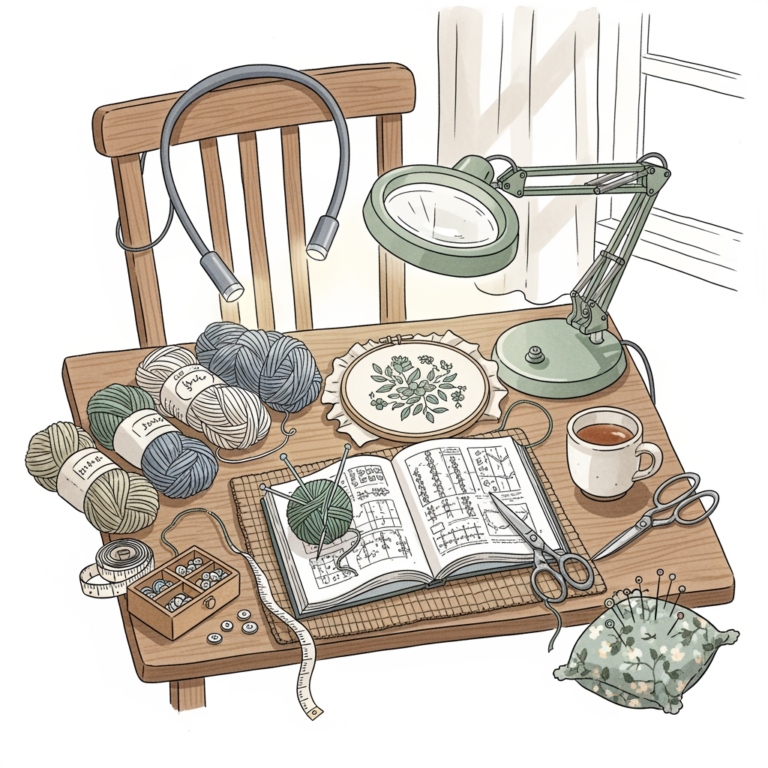
This lamp is incredibly sleek and fits well on small side tables, making it ideal for those with limited space. The flexible arm allows you to direct the light exactly where your needles meet the yarn, whether you are holding your work high or low.
It’s a professional-grade tool that offers high contrast, which is vital when working with darker fibers like mohair or alpaca. The bottom line: it creates a clean, bright workspace that keeps your hands relaxed.
Vekkia Rechargeable LED Neck Reading Light: Best
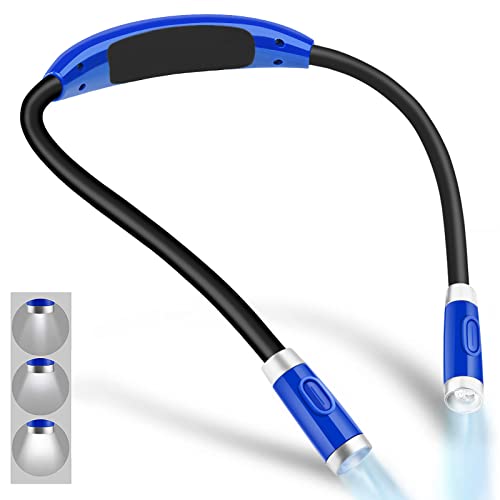
Sometimes, the best light is the one that moves with you. The Vekkia neck light is a favorite among knitters who prefer to lounge on the sofa, as it directs light exactly where your hands are without needing a bulky floor lamp.
Because it sits around your neck, you don’t have to worry about positioning a lamp base or finding a nearby outlet. It shines light directly onto your needles, which is perfect for late-night knitting sessions when you want to keep your posture relaxed.
It is lightweight and soft against the skin, so it won’t add pressure to your neck or shoulders. If you have limited mobility, this is the most flexible and least intrusive option available.
Miroco LED Floor Lamp with Adjustable Color Temp
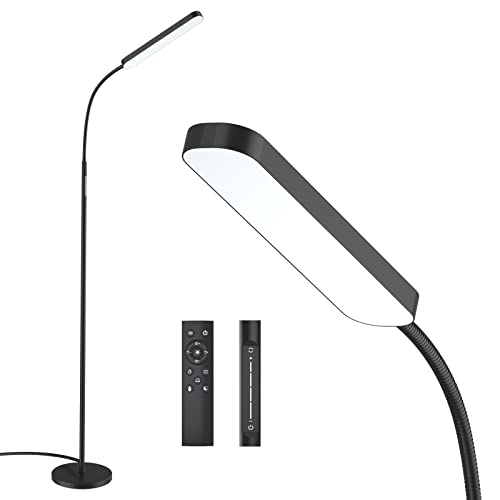
Different yarn colors react differently to light temperatures, and the Miroco lamp lets you cycle through them with ease. For example, a cooler light is often better for seeing the definition in light-colored yarns, while a warmer light can be more soothing for your eyes during long sessions.
The adjustable color temperature helps reduce eye strain significantly over a three-hour knitting marathon. By shifting the light to match the time of day, you can maintain a comfortable visual environment without constant adjustment.
The lamp is also dimmable, which is a great feature for when you are just doing simple stockinette and don’t need intense illumination. It’s a versatile choice for a dedicated craft corner.
Lepower Metal Architect Swing Arm Desk Lamp Pick

This classic design offers incredible reach and stability for those who prefer to knit at a dedicated table or desk. The swing arm allows you to bring the light source very close to your hands, which is a massive help for precision work like grafting or kitchener stitch.
Because it is made of metal, it is durable and holds its position firmly once you’ve adjusted it. You won’t have to fiddle with it constantly, which saves your hands from unnecessary, repetitive tasks.
It uses a standard bulb, meaning you can choose the exact brightness and color temperature that suits your specific eye needs. It’s a reliable, no-nonsense solution for the serious knitter.
BenQ ScreenBar Halo Monitor Light for Knitters
If you often knit while watching tutorials or following digital patterns on a monitor, the ScreenBar Halo is a brilliant ergonomic choice. It clips to the top of your screen and illuminates your desk area without creating glare on your screen or your needles.
This keeps your entire work area bright and clear, meaning you don’t have to switch your focus between a dark desk and a bright screen. This constant adjustment is a major source of eye fatigue, which often leads to physical tension in the hands.
It’s an investment, but for the knitter who uses a tablet or computer to manage complex charts, it is the ultimate tool for reducing visual stress.
Why Proper Lighting Is Vital for Arthritic Hands
When you have arthritis, your body is already working hard to manage inflammation and joint pain. Poor lighting forces your body to compensate by leaning, squinting, and tensing your neck and shoulder muscles to get a better view.
This tension travels down your arms and directly into your hands, making them feel stiffer and less dexterous. Proper lighting removes this physical barrier, allowing you to knit with a lighter, more fluid touch.
- Reduced squinting: Relaxes facial muscles and prevents tension headaches.
- Better posture: Proper light allows you to sit back, keeping your spine aligned.
- Increased accuracy: Clear visibility prevents the need for repetitive "fixing" of stitches.
Key Features to Seek in Ergonomic Craft Lighting
When shopping for a lamp, don’t just look at the wattage; look at how the light interacts with your craft. You want a light that provides a broad, even beam rather than a narrow, concentrated spotlight that causes glare.
Look for these critical features:
- Adjustable color temperature: To match the specific tone of your yarn.
- Flicker-free LED: To prevent eye strain that leads to physical fatigue.
- Flexible arms or heads: To direct light exactly where your hands are working.
- Sturdy base: To ensure it doesn’t tip or wobble during use.
How to Position Lights to Reduce Knitting Strain
The goal of your lighting setup is to illuminate your work without casting shadows from your hands or needles. If you are right-handed, place the light source slightly to your left and slightly behind you, or use a setup that shines directly over your shoulder.
Avoid placing your lamp directly in your line of sight, as the glare will quickly tire your eyes. If you feel yourself leaning forward, it’s a sign that your light is either not bright enough or positioned too far away from your needles.
Experiment with the angle until the light hits the fabric from the side; this highlights the texture and stitch definition of your yarn. A well-lit project is always easier on your joints than a dim one.
Investing in the right lighting is just as important as choosing the right needle material for your arthritis. By creating a bright, glare-free environment, you remove the physical strain that causes your hands to tire and ache. Take the time to adjust your setup, and you will find that your knitting sessions become much longer and more enjoyable. Your hands deserve the best conditions to keep creating the beautiful projects you love.