6 Best Cast On Combs For Machine Setup To Use
Master your knitting machine setup with our guide to the 6 best cast-on combs. Discover top picks that ensure even tension and professional results every time.
A successful knitting machine project always begins with a clean, consistent cast-on that sets the stage for the rows to follow. Choosing the right comb is not just about holding the fabric; it is about managing the tension that prevents dropped stitches and uneven edges. Whether you are working with delicate lace or heavy wool, the weight and grip of your comb are critical to your machine’s performance. Here are the six best options to help you achieve professional results every time.
Brother KH-868 Original Metal Cast On Comb


The Brother KH-868 metal comb is a staple for a reason: it offers the perfect balance of weight and durability. When you are working on a standard gauge machine, this comb provides just enough downward pull to keep your stitches seated properly in the needle hooks.
Many beginners struggle with light, plastic combs that lift during the carriage pass, leading to messy edge stitches. The solid metal construction of the Brother original ensures it stays put, even when you are knitting at higher speeds.
If you are working with slippery fibers like silk or rayon, the extra gravity provided by this metal comb is your best defense against dropped stitches. It is a reliable, no-nonsense tool that rarely needs replacing.
Passap Automatic Cast On Comb for E6000
The Passap system is an entirely different beast compared to standard Japanese machines. Because the E6000 uses a unique dual-bed configuration, the cast-on comb must be precise to handle the specific way the needles interact with the yarn.
This automatic comb is designed to work in tandem with the machine’s complex stitch formations. It excels in projects where you are switching between tuck, slip, and fair isle patterns, as it maintains even tension across both beds simultaneously.
While it has a steeper learning curve, once you master the insertion, your edge quality will be unmatched. It is an essential investment for anyone serious about mastering the Passap platform.
Silver Reed SRP60N Ribber Cast On Comb
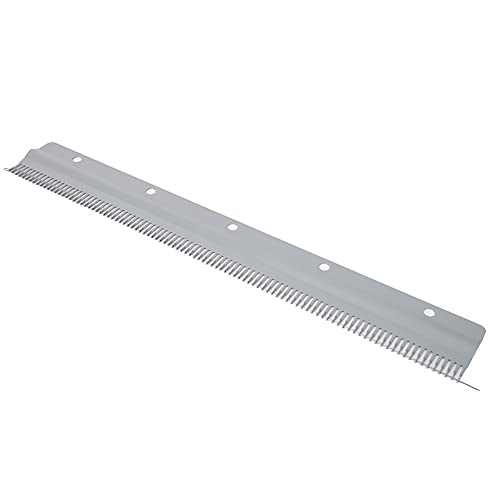
The SRP60N ribber comb is specifically engineered to handle the delicate transition between the main bed and the ribber. Ribbing is notoriously finicky, and if your comb doesn’t provide consistent tension, your ribbing will look stretched or uneven.
This comb features a clever design that allows for easy weight distribution. By adding or removing weights along the length of the comb, you can customize the tension based on your yarn’s elasticity.
For those working with wool or wool-blend yarns, this comb is ideal because it handles the natural "spring" of the fiber well. It is a must-have for anyone knitting sweaters, socks, or hats with ribbed cuffs.
KnitKing Standard Gauge Cast On Comb Set
KnitKing combs are often interchangeable with Brother parts, which makes them a fantastic choice for those who own older or refurbished machines. This set is particularly useful because it often includes multiple lengths to accommodate different project widths.
Having a selection of lengths means you aren’t forced to use a heavy, full-width comb when you are only knitting a small swatch or a narrow scarf. Using a comb that is too wide for your project can cause uneven pulling at the edges.
These combs are incredibly durable and resistant to bending, which is a common issue with cheaper, aftermarket alternatives. They are the "workhorse" of the machine knitting world.
Artisan 245 Heavy Duty Cast On Comb Tool
If you are working with bulky yarns or heavy weight wools, standard combs often fail to provide enough tension. The Artisan 245 is built for exactly these scenarios, offering a heavier gauge metal that keeps thick yarn from "jumping" out of the needles.
This tool is a favorite for those who knit heavy blankets or thick winter garments. The increased weight ensures that the needle latches close properly on every pass, which is a common failure point when using lighter tools with thick yarn.
Keep in mind that this tool is not for delicate lace. Its weight can easily distort fine fibers, so reserve it strictly for your heavier-weight projects.
Singer SK-280 Universal Cast On Comb

The Singer SK-280 comb is known for its versatility and ease of use. It is designed to be compatible with a wide range of machines, making it a great "go-to" if you have a collection of different vintage models.
The teeth are spaced to ensure that they catch every single stitch, which is vital when working with fine-gauge yarns. It is particularly effective at preventing "laddering" at the edges of your work.
If you are a knitter who switches between different machines frequently, this is the most practical choice. It offers a consistent feel that helps you build muscle memory regardless of which machine frame you are using.
How to Select the Right Comb for Your Machine
Selecting a comb starts with matching the gauge of your machine to the weight of the tool. A general rule of thumb is that the heavier the yarn, the heavier the comb you need to maintain proper stitch formation.
You should also consider the width of your project. Using a comb that extends far beyond the width of your knitting creates uneven tension, which often leads to elongated stitches at the edges.
- For Fine Gauge (3.5mm – 4.5mm): Use a lightweight, precise metal comb.
- For Standard Gauge (4.5mm): Use the standard metal combs provided by your machine manufacturer.
- For Bulky/Chunky (9mm): Use a heavy-duty, reinforced comb to manage the yarn volume.
Metal vs Plastic Cast On Combs: Pros and Cons
Metal combs are the gold standard for most experienced knitters because of their consistent weight and durability. They are less likely to warp over time and provide a steady, reliable pull that is essential for complex patterns.
Plastic combs, conversely, are lightweight and gentle on delicate fibers. They are excellent for beginners who are still learning how to handle the machine, as they are less likely to damage the needle beds if accidentally dropped.
However, plastic combs can become brittle and snap after years of use. They also lack the "gravity" needed for high-speed knitting, which can lead to dropped stitches if you aren’t careful.
Tips for Perfect Tension During Machine Cast On
Tension is the secret ingredient in machine knitting. If your cast-on row is too tight, the carriage will struggle to pass, potentially damaging your needles or the machine’s cam system.
Always use a waste yarn "starter" row before beginning your actual project. This allows the comb to hang properly and ensures that the tension is balanced across the entire bed before you introduce your good yarn.
- Check your weights: If your fabric is curling, add more side weights.
- Check your comb: Ensure it is centered and hanging vertically.
- Listen to your machine: A clicking sound often means the comb is too light or the tension is too tight.
Troubleshooting Common Machine Knitting Errors
The most common issue is the "dropped stitch" at the edge, usually caused by the comb not being heavy enough to hold the edge needle down. If this happens, stop immediately and manually re-hook the stitch before proceeding.
Another frequent problem is the "puckered" cast-on, which happens when the tension dial is set too low for the yarn weight. Don’t be afraid to increase your tension dial by a half-step if the fabric feels stiff or creates resistance.
If you find that your comb is constantly hitting the ribber or the main bed, check that your machine is properly leveled. A machine that isn’t perfectly horizontal will cause the comb to drift, leading to uneven tension and potential needle damage.
Mastering the use of cast-on combs is a rite of passage that separates casual hobbyists from true machine knitting experts. By choosing the right tool for your specific yarn and machine gauge, you eliminate the most common sources of frustration in the knitting process. Remember that the goal is always consistent, even tension, and the right comb is your best partner in achieving that. With these tools in your kit, you are well-equipped to tackle any project with confidence and precision.