7 Best Rubber Thimbles For Needle Pushing To Use
Discover the top 7 rubber thimbles for needle pushing. Learn how these ergonomic tools improve grip, protect your fingers, and enhance precision in crafting.
Needle pushing can be a grueling task, especially when you are working through dense, multi-ply wool or stubborn cotton yarns. A quality rubber thimble acts as a protective shield, saving your skin from the repetitive friction of pushing needles through tight stitches. These tools bridge the gap between effort and comfort, allowing you to maintain a consistent gauge for hours on end. Finding the right one is less about aesthetics and more about how it integrates into your unique hand physiology.
Clover Soft Touch Thimble: Best Overall Choice
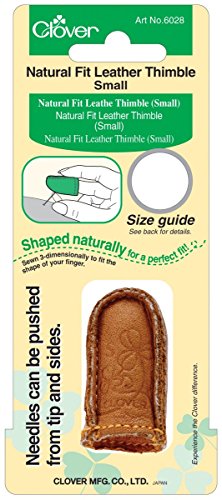

The Clover Soft Touch is a staple in many sewing kits because it balances structural integrity with a gentle feel. It features a dimpled metal tip embedded in a soft, flexible rubber body, giving you the best of both worlds.
This design is particularly effective for knitters who occasionally dabble in sewing or mending. The metal tip provides a solid surface for pushing, while the rubber sides ensure the thimble stays firmly in place without cutting off circulation.
The tradeoff here is that the metal tip can sometimes feel cold against the skin if you are working in a chilly room. However, for most, the reliability of the dimpled surface makes it the most versatile choice for long-term projects.
Dritz Rubber Quilting Thimble: Best for Grip

If you find that your needles constantly slip when you try to push them through a thick cable or a complex stitch pattern, the Dritz Rubber Quilting thimble is your solution. Its entire surface is textured to provide maximum friction.
This thimble is essentially a high-friction sleeve that turns your fingertip into a non-slip tool. It is ideal for those using bamboo or wooden needles that have a bit of drag, as it helps you maintain control when your hands get sweaty.

Because it is made entirely of rubber, it lacks the rigid tip found in metal-hybrid thimbles. You might find it wears down faster than others, but the exceptional grip it offers is unmatched for difficult maneuvering.
Bohin Silicone Thimble: Best for Flexibility

Bohin’s silicone thimble is incredibly soft and stretchy, making it feel almost like a second skin. It is designed for those who find traditional hard plastic or thick rubber thimbles too restrictive or bulky.
The flexibility allows for a full range of motion, which is vital when you are working on intricate lace or fine-gauge projects. It moves with your joints rather than against them, preventing that stiff-finger feeling after a long knitting session.
Keep in mind that because it is so thin, it offers less protection against sharp needle points. It is best suited for moderate needle pushing rather than heavy-duty work involving thick, blunt needles.
Singer Flexible Rubber Thimble: Best Value Pick
The Singer Flexible Rubber Thimble is a no-nonsense tool that gets the job done without breaking the bank. It is widely available and provides a consistent, reliable grip that is perfect for beginners who are just starting to experiment with tools.
It features a simple, functional design with a reinforced tip that holds up surprisingly well over time. It is not the most high-tech option, but it is incredibly durable for the price point.
If you are prone to losing your notions, buying a few of these is a smart move. They are reliable, affordable, and easy to replace, making them a great entry point for new knitters.
Prym Ergonomics Thimble: Best for Comfort

The Prym Ergonomics thimble is designed with the actual shape of the human finger in mind. It features a unique, asymmetrical shape that fits the natural angle of your fingertip, which is a game-changer for ergonomics.
The material is soft yet sturdy, providing a comfortable cushion that reduces pressure on the nerves in your finger. This is a significant advantage if you suffer from arthritis or hand fatigue during long knitting marathons.
While the shape is innovative, it may take a few sessions to get used to the fit. Once you adapt, the reduction in hand strain is well worth the initial adjustment period.
Collins Rubber Thimble: Best for Small Fingers

Finding a thimble that doesn’t slide off during a project is a common struggle for those with slender fingers. The Collins rubber thimble is known for its snug fit and ability to stay put, even when your hands are active.
It is a straightforward, thin-walled rubber thimble that provides just enough resistance to help you push needles without adding unnecessary bulk. It doesn’t interfere with your tension or your ability to handle delicate yarn.
Because it is quite slim, it is not designed for heavy-duty, high-force pushing. It is a precision tool meant for those who need a light touch and a secure fit.
Mary Ellen’s Best Press Thimble: Best Durability
This thimble is built to last, utilizing high-quality rubber compounds that resist tearing and warping over time. If you are a heavy knitter who spends hours every single day with needles in hand, this is the investment piece you want.
It maintains its shape and texture remarkably well, even after being stretched and pulled repeatedly. The material is dense enough to protect your skin from even the sharpest needle tips.
The tradeoff for this durability is that it is slightly stiffer than some of the other options. However, the longevity and protective qualities make it a favorite for seasoned makers who demand reliability.
Why Rubber Thimbles Help With Needle Pushing
Needle pushing is a repetitive motion that can cause calluses or soreness at the tip of your index finger. Using a rubber thimble distributes the pressure across a wider surface area, preventing skin irritation and fatigue.
Beyond protection, these tools enhance your mechanical advantage. By providing a grippy surface, they allow you to push needles through dense fabrics—like felted wool or heavy cotton—with less force, which keeps your hands relaxed.
When your hands are relaxed, your tension remains consistent. If your fingers are tight from trying to grip a slippery needle, your stitches will likely become uneven, leading to a distorted fabric.
How to Find Your Perfect Rubber Thimble Size
The most common mistake knitters make is buying a thimble that is too loose. If it spins on your finger, you will spend more time adjusting it than actually knitting, which is a major distraction.
Measure the circumference of your index finger at the knuckle and the pad to get a baseline. Most manufacturers provide size charts, but remember that rubber has a natural stretch that can change over time.
- Snug fit: The thimble should feel secure without causing your finger to throb or turn colors.
- Breathability: If you have sweaty hands, look for designs with small ventilation holes.
- Test: If possible, try it on while holding your knitting needles to ensure it doesn’t interfere with your grip.
Tips for Maintaining Your Knitting Thimble Grip
Over time, rubber thimbles can accumulate dust, lint, and natural skin oils, which significantly reduces their grip. A simple wash with mild dish soap and warm water will restore the tackiness of the rubber.
Avoid using harsh chemicals or alcohol-based cleaners, as these can dry out the material and cause it to crack. Let the thimble air dry completely before using it again to ensure it stays supple.
If you find that your thimble is starting to lose its shape, store it in a cool, dry place away from direct sunlight. High heat can cause the rubber to degrade, making it brittle and less effective for your future projects.
Investing in a quality rubber thimble is one of the simplest ways to improve your knitting longevity and comfort. By protecting your fingertips and providing the necessary grip for dense projects, you can focus entirely on the rhythm of your stitches. Choose the tool that best fits your hand and project needs, and you will find your knitting sessions becoming much more enjoyable. Happy making, and may your tension always be perfectly balanced.