6 Best Yarn Mast Thread Guides For Smooth Feeding
Optimize your textile production with our top 6 yarn mast thread guides. Discover how these essential tools ensure smooth feeding and reduce fiber breakage.
Every knitter knows the frustration of a yarn cake that decides to tumble off the table or a strand that snags mid-row, ruining your rhythm. A yarn mast is the unsung hero of the craft, acting as a steady overhead guide that keeps your tension consistent and your yarn tangle-free. By lifting the yarn away from the ball, you eliminate the drag that causes uneven stitches and hand fatigue. Investing in the right guide transforms your knitting experience from a constant struggle against gravity into a fluid, meditative practice.
Stanwood Needlecraft Yarn Mast: Best Overall


The Stanwood Needlecraft mast is a staple in many studios because it balances simplicity with rock-solid stability. It features a weighted base that stays put even when you are working with heavier wool blends or bulky weight yarns that tend to pull.
What sets this model apart is the smooth, polished eyelet at the top. It minimizes friction, which is vital when you are working with delicate fibers like silk or mohair that catch on even the slightest imperfection.
If you frequently switch between different yarn weights, this is your best bet. It accommodates everything from lace-weight cobwebs to chunky rovings without needing constant adjustments.
KnitPro Yarn Tension Guide: Smooth Feeding
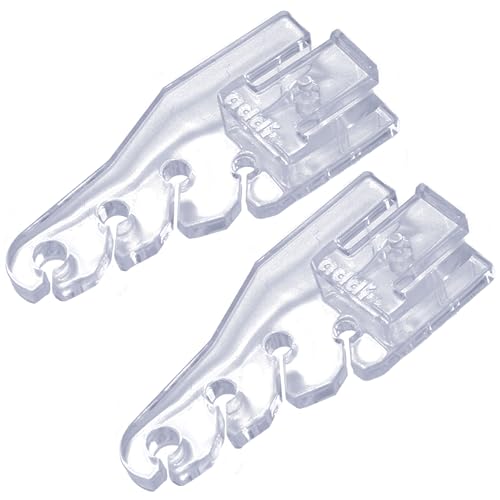
KnitPro focuses heavily on the ergonomics of the knitting experience. Their tension guide is designed to clip onto your yarn bowl or table edge, providing a consistent vertical path for your yarn to follow.
The primary benefit here is the reduction of "yarn drag." When your yarn feeds from a bowl, it often catches on the rim; this guide lifts the strand to a height that allows it to feed at a constant, gentle angle.
It is particularly effective if you are a "tight" knitter who struggles with hand cramps. By taking the work of pulling yarn out of the equation, your hands can focus entirely on stitch formation.
Fiber Artist Supply Co. Yarn Mast Stand
This mast is a beautiful piece of craftsmanship that feels more like furniture than a mere tool. It is constructed with a wide, heavy base that prevents tipping, even when you are pulling yarn quickly for a large sweater project.
The height adjustment is remarkably intuitive, allowing you to fine-tune the feed based on your seating position. If you knit in a deep armchair, the extra height ensures the yarn doesn’t drape across your lap and pick up stray lint.
While it is a larger footprint on your workspace, the stability is unmatched. It is the ideal choice for someone with a dedicated craft room who wants a permanent, reliable setup.
Lacis Yarn Guide for Knitting Machines

Though originally designed for machine knitting, many hand-knitters have adopted the Lacis guide for its precision. It uses a series of tension discs that allow you to dictate exactly how much resistance the yarn encounters.
This is a game-changer if you are working on stranded colorwork where keeping two strands at identical tension is notoriously difficult. You can set one color through the guide and hold the other in your hand, balancing the tension perfectly.
Be aware that this level of control requires a bit of a learning curve. If you are a beginner, the added tension might feel restrictive until you get used to the mechanical feel of the setup.
Silver Reed Yarn Mast for Smooth Tension
Silver Reed masts are built for the rigors of high-speed knitting. They are incredibly robust and feature a multi-strand guide, which is perfect for projects that require holding multiple yarns together.
If you are working on a project using a strand of fingering weight yarn held with a strand of lace-weight mohair, this mast prevents the two from twisting around each other. It keeps them parallel all the way to your needles.
The build quality is industrial, meaning it will likely last a lifetime. It is a utilitarian choice that prioritizes function over aesthetics, but it performs flawlessly every time.
Addi Express Yarn Mast for Precision Work
The Addi Express mast is designed for those who value speed and consistency above all else. It is lightweight and attaches easily to most surfaces, making it a portable option for knitters who travel to workshops or retreats.
It excels when you are working with synthetic or slippery yarns that tend to "jump" off the ball. The guide keeps the yarn under just enough tension to prevent it from looping or knotting before it reaches your fingers.
It is a fantastic entry point for those who want to see what a yarn mast can do without committing to a heavy, permanent stand. Its simple design makes it very easy to set up and take down in seconds.
Why Yarn Masts Improve Your Knitting Speed
Speed in knitting isn’t just about how fast your fingers move; it is about how little time you spend fixing mistakes. When your yarn feeds smoothly, you spend zero time untangling knots or pulling slack out of your yarn cake.
A consistent feed means your gauge—the number of stitches per inch—remains steady throughout the entire row. You won’t have those loose, sloppy stitches that often appear when you reach the end of a yarn ball and the tension changes.
Furthermore, a mast reduces the physical strain on your wrists. By letting the mast support the weight of the yarn, you stop "tugging" at your work, which is the leading cause of repetitive strain injuries in long-term knitters.
How to Properly Set Up Your Yarn Mast Guide
Positioning is everything when it comes to your yarn mast. Place the base of the mast directly behind or to the side of your yarn bowl, ensuring the eyelet is positioned roughly 10 to 12 inches above your hands.
If the mast is too close, the yarn will feed at an awkward angle, causing it to rub against your needles. If it is too far, you may find yourself over-stretching to reach the yarn, which defeats the purpose of the tool.
Always check that the yarn path is clear of any obstructions like mugs, patterns, or scissors. Even a tiny snag on a piece of paper can throw off your tension and lead to uneven fabric.
Troubleshooting Common Yarn Feeding Issues
If you find your yarn is still snagging, check the eyelet for any burrs or rough spots. Even a high-quality guide can develop a tiny nick if you are using metallic or abrasive yarns, which can then shred your delicate fibers.
If the yarn is "bouncing" too much, your tension might be too loose. Try moving the yarn through the eyelet at a slightly sharper angle to create a bit more natural resistance as it travels from the cake.
Remember that different fibers have different "memory." Wool has a natural grip, while acrylic or silk is very slick; you may need to adjust the height of your mast when switching between these distinct material types.
Essential Tips for Maintaining Yarn Tension
Your tension is a dynamic relationship between your needles, your yarn, and your body. A yarn mast is an excellent tool, but it works best when you also maintain a relaxed grip on your needles.
- Clean your guides: Dust and fiber debris can build up in the eyelet and create friction.
- Rotate your cake: If you are using a yarn winder, ensure your cakes are wound with even pressure.
- Check your needles: If you are using very slick metal needles, a yarn mast is even more essential to prevent the yarn from sliding off.
Ultimately, the best tension is the one that produces a fabric you love. Use your yarn mast to remove the mechanical obstacles, and let your hands do the creative work.
Choosing the right yarn mast is about identifying the specific friction points in your current knitting process. Whether you need the heavy-duty stability of a Stanwood or the portable precision of an Addi Express, these tools are designed to make your craft more rhythmic and less taxing. Once you experience the freedom of a tangle-free, smooth-feeding yarn flow, you will wonder how you ever managed without one. Happy knitting, and may your tension always be perfectly balanced.